



On 23 October 2025, the Communist Party of China released a press statement on the autumn 2025 plenum of its Central Committee, announcing the drafting of the 2026–2030 Five-Year Plan and outlining its main policy directions. Although the plan is still being prepared and will only be finalised and come into force in March 2026, early indications already point to significant developments in both domestic and international transport and logistics. The core aim is to create an integrated, intelligent and green system.
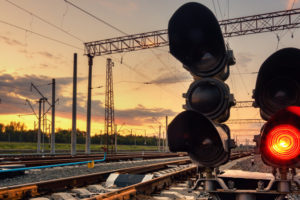
A first target, to be achieved by 2028, is the creation of a so-called “three-dimensional” transport network connecting railways, highways, waterways, aviation and ports in a coordinated system of corridors and logistics hubs. Rail projects will focus on increasing capacity along key freight corridors and constructing new heavy-duty lines and direct connections to strategic ports, including the Western Land-Sea Corridor and the China–Europe Land Bridge.
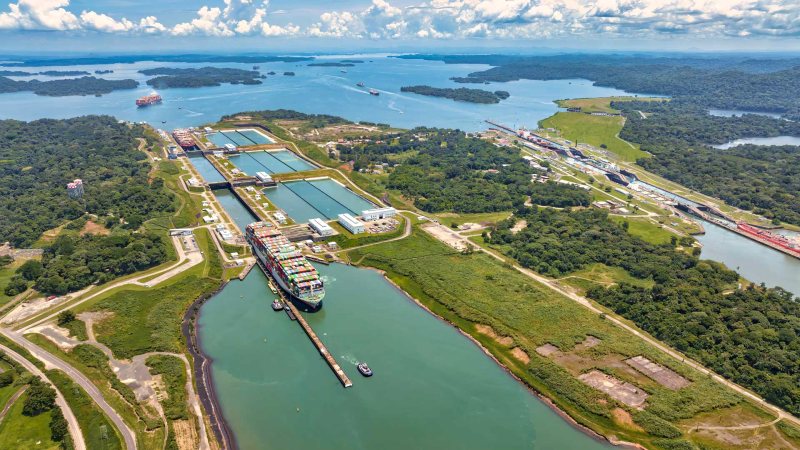
In the air transport sector, the plan foresees the development of advanced logistics centres and new international routes to support high-value trade and manufacturing. Another crucial component of domestic transport will be the enhancement of inland waterways, capitalising on China’s major rivers. The plan includes the upgrading of the Yangtze and Xijiang rivers and the Beijing–Hangzhou Canal, as well as stronger connections between canals, industrial ports and logistics parks.
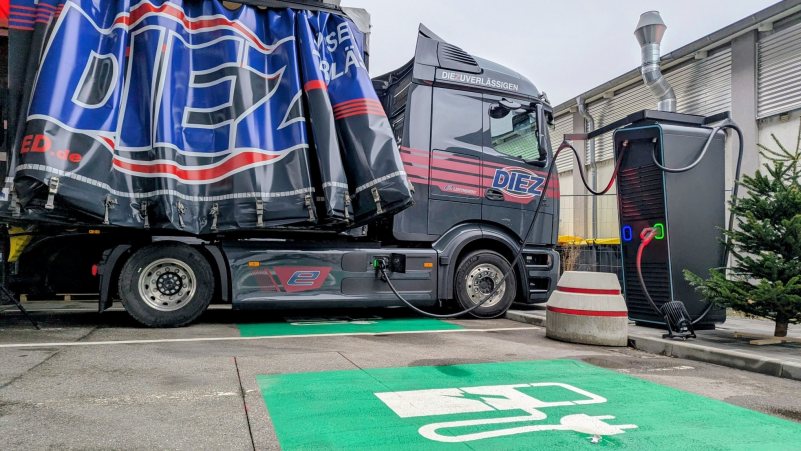
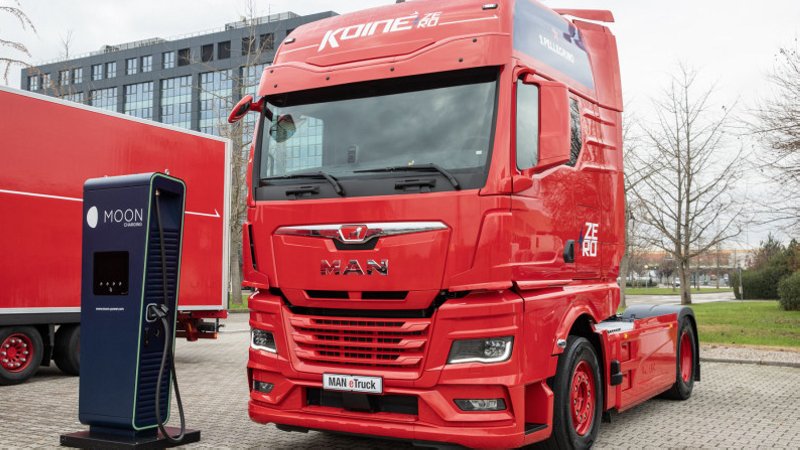
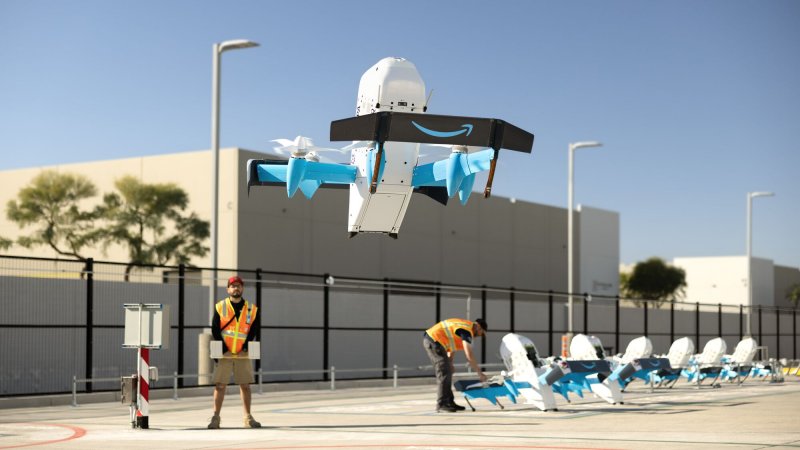
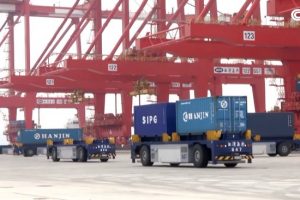
Digitalisation is another strategic pillar, with Beijing intent on accelerating its application in logistics. Artificial intelligence and big data will play a central role, driving “smart logistics” and enabling greater automation in ports and rail networks. Environmental objectives are equally prominent: the plan calls for an increase in zero-emission vehicles and low-impact packaging, along with the introduction of tracking systems to reduce the carbon intensity of logistics operations.
To decarbonise transport, the Five-Year Plan aims to increase rail freight volumes by 10% and ensure that 80% of goods reach ports via rail, waterways or low-emission vehicles. Another key goal is to cut logistics costs to 13.5% of GDP.
Continuing the international focus of recent decades, the new plan will strengthen logistics cooperation within the Belt and Road Initiative and the Regional Comprehensive Economic Partnership (RCEP), promoting stable multimodal corridors linking Asia, Europe and Africa. In practical terms, the objective is to consolidate China’s role as a global logistics hub by boosting sea–rail–road intermodality and increasing container throughput at ports by 15% per year. The ports of Shanghai, Qingdao and Hainan are set to become models of a green, innovative “shipping economy”, attracting international operators and investment.