






The Italian Competition Authority has imposed a record penalty of €936 million on six major oil companies accused of running an anti-competitive agreement on the bio component of fuels between 2020 and 2023. The amount reflects the Authority’s assessment of the offence as “very serious”. In its ruling of 23 September 2025, the regulator found that Eni, Esso Italiana, Italiana Petroli (IP), Kuwait Petroleum Italia (Q8), Saras and Tamoil coordinated the application of price increases on the bio component, which covers mandatory biofuel blending costs. The agreement, in place for more than three years, affected the national petrol and diesel market, in which the six companies together control over 90% of sales volumes.
According to the Authority, the alignment of the bio component values, which began in the first quarter of 2020 at a common level of €26 per cubic metre, could not be justified by the companies’ costs alone and eliminated competitive uncertainty. The coordination allowed them not only to pass the costs entirely onto customers but also to generate additional margins on an item that should have reflected each company’s actual expenses.
Publication of the values in Staffetta Quotidiana portal (not involved in the investigation) played a decisive role as a monitoring tool. Eni, considered the promoter and stabiliser of the cartel, reportedly gave guidance to competitors and clients, helping turn the tariff into a de facto official benchmark. This created artificial transparency and stifled price competition.
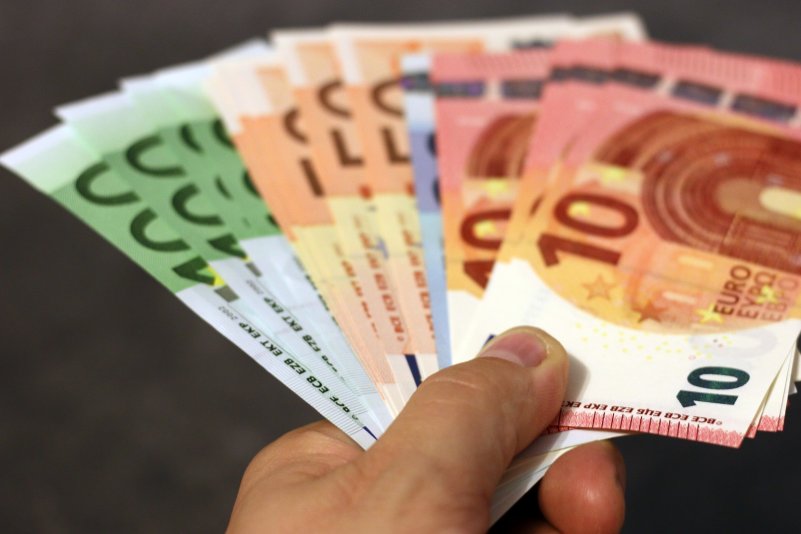
The Authority imposed fines totalling €936,659,087. The highest penalty was handed to Eni at €336.2 million, followed by Italiana Petroli (€163.6 million), Kuwait Petroleum Italia (€172.5 million), Esso Italiana (€129.3 million), Tamoil (€91 million) and Saras (€43.7 million). The fines were calculated on 2022 sales values and remain below the legal cap of 10% of global turnover.
The regulator underlined that the market impact was significant. It said the removal of competitive uncertainty created a stable collusive environment, resulting in higher final prices for distributors and consumers. Artificial transparency also blocked competition based on individual efficiency. In a sector already marked by an oligopolistic structure, the agreement strengthened the power of the six companies, making the market less responsive and more rigid. The ruling requires the firms to refrain from similar conduct and to pay the fines within ninety days of notification.