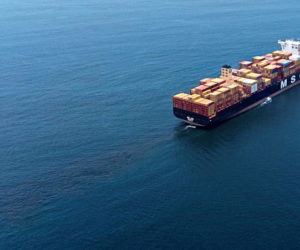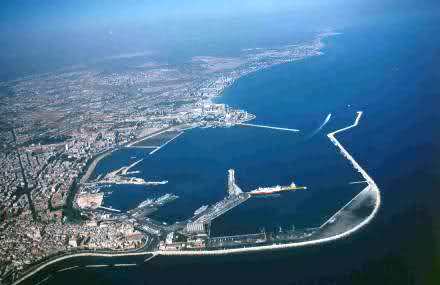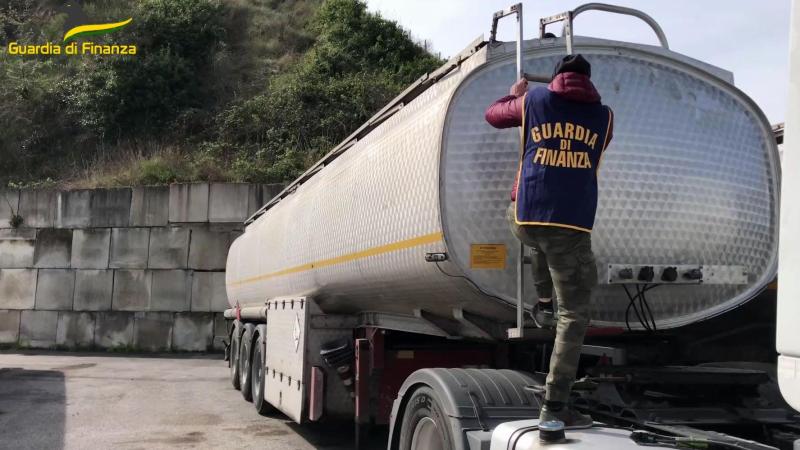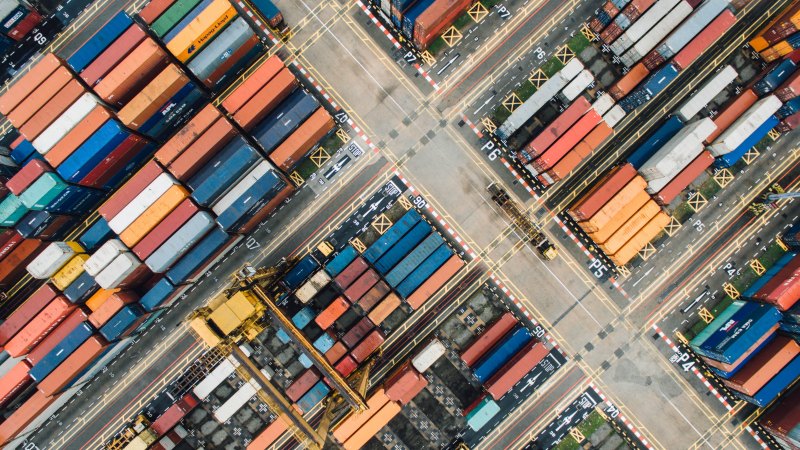




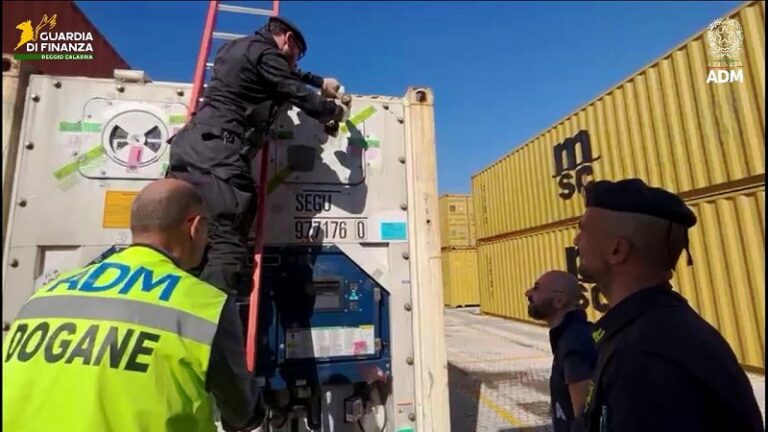
The Guardia di Finanza of Reggio Calabria, together with the Customs and Monopolies Agency of Gioia Tauro, has seized over 175 kilograms of pure cocaine at the Calabrian port. The discovery was made during targeted inspections within the container terminal as part of an intensified surveillance plan across the port area. The operation, carried out by the Gioia Tauro unit with the support of sniffer dog teams, involved three refrigerated containers from Latin America officially bound for European countries and carrying frozen octopus and prawns.
After an initial scan using Customs Agency scanners, the containers were manually inspected, leading to the discovery of 154 cocaine packages concealed in the internal compartments. The drugs, if placed on the market, could have generated profits of around €30 million. The operation’s records have been forwarded to the Public Prosecutor’s Office of Palmi, led by Prosecutor Emanuele Crescenti, for validation and further investigation.
The 11 November seizure is part of an ongoing enforcement effort which, since the beginning of 2025, has led to the confiscation of 3,203 kilograms of cocaine at Gioia Tauro port, valued at roughly €500 million. The figures, released by the Reggio Calabria Provincial Command of the Guardia di Finanza and the Customs and Monopolies Agency, confirm the strategic importance of the Calabrian terminal in combating international drug trafficking.
Among this year’s most significant cases are the 28 March seizure of 1,170 kilograms of cocaine hidden in eleven containers from Brazil, and the late-February operation that uncovered 788 kilograms concealed among shipments of pellets and frozen fish. Other operations, though smaller in scale, were carried out in January (110 kilograms), February (27 kilograms), June (228 kilograms), July (417 kilograms) and September (288 kilograms), culminating in the most recent November interception.
Investigators have noted that traffickers are employing increasingly sophisticated methods to hide drugs, such as false container bottoms, altered ventilation compartments or mixing with legitimate perishable goods. To counter these tactics, Gioia Tauro port has intensified X-ray scanning, direct inspections of suspect containers and intelligence activities on trade flows, supported by systematic use of anti-drug dog units.
The close cooperation between the Guardia di Finanza and the Customs and Monopolies Agency, under the supervision of the Palmi Prosecutor’s Office, has helped maintain a high level of control over southern Italy’s main container terminal, regarded as a key gateway between South America and Europe. In 2024, the same port saw the seizure of around 3.8 tonnes of cocaine — slightly more than in 2025 — confirming the continuity of investigative and enforcement efforts.