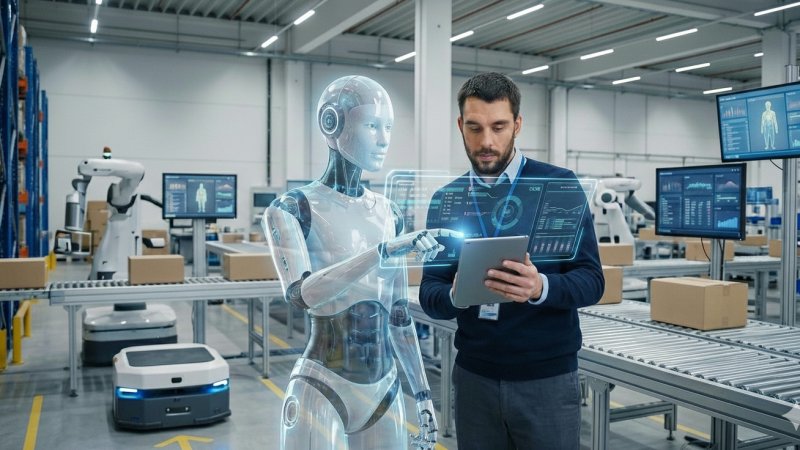




Amazon is betting on intermodality and artificial intelligence to strengthen its European logistics network and assigns Italy a central role in this development. The company outlined its strategy on 10 March in Verona during LetExpo 2026, placing the integration of technology, data analysis and combined transport between road, rail and sea at the centre. According to Amazon during the event, artificial intelligence is being used to improve the management of the intermodal network developed together with logistics and transport operators. The aim is to increase operational efficiency and reduce emissions on longer routes while also improving the reliability of logistics flows.
The company is therefore expanding the use of rail and maritime transport for a growing share of movements related to customer orders, limiting road transfers to shorter distances. “Artificial intelligence is not only making logistics more efficient: it is redefining the way we organise work and develop new professional skills,” explained Lorenzo Barbo, chief executive of Amazon Italia Logistica. “Our vision is clear: technology to enhance people’s capabilities. Intermodality is a concrete lever to integrate road, rail and sea intelligently, optimising long-distance flows, reducing congestion and making the network more stable even during peak periods.”
Within this strategy, Italy represents an important hub. The country’s geographical position makes it possible to integrate maritime, rail and road transport along European corridors. In recent years Amazon has developed collaborations with several logistics and transport operators active on the national market, including the Grimaldi Group for maritime services and FS Logistix for rail transport.
Sabrina De Filippis, chief executive of FS Logistix, explained that the agreement with Amazon includes rail connections between Germany and Italy and forms part of a broader strategy to develop combined transport: “Collaborations with global operators such as Amazon demonstrate that intermodality is already a concrete and scalable solution: shifting long-distance routes from road to rail and sea means increasing reliability and service continuity for industrial supply chains while reducing emissions.”
The strengthening of Amazon’s Italian network is part of a broader European system. According to data presented by the company, Amazon moves goods through more than 500 intermodal routes active in several European Union countries. The combined use of rail and maritime transport enables, on average, a reduction in carbon dioxide emissions of around 50% compared with road-only transport.
In Italy, the network includes more than 200 routes by sea and rail with an origin or destination in the country. Amazon also operates through more than twelve rail terminals and seaports across the national territory, used for inventory transfers between logistics centres and for distribution activities. This system of connections helps link Italian logistics nodes with the main European markets, increasing the network’s capacity and resilience.
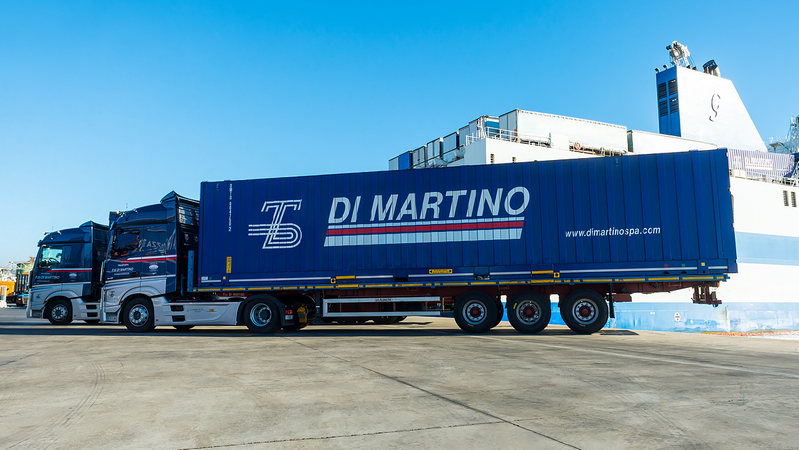
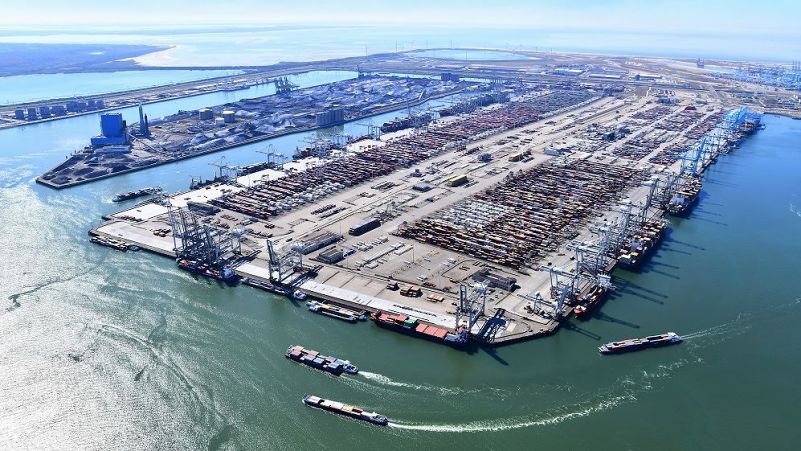
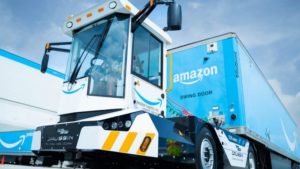
Amazon also presents the growth of intermodality as a response to the structural challenges facing road transport, which is dealing with a combination of critical factors including a shortage of drivers, increasing congestion along major European corridors and the need to reduce the environmental impact of transport without compromising delivery times. In the operational model adopted by Amazon, intermodal transport generally begins at a logistics centre where the semi-trailer is loaded and directed towards a seaport or a rail terminal. From there the goods continue by ship or train along the main route and are subsequently delivered by road to the final destination.
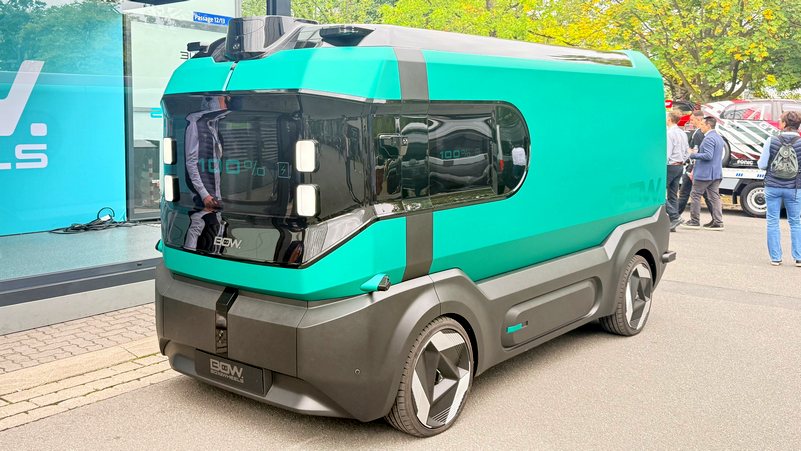
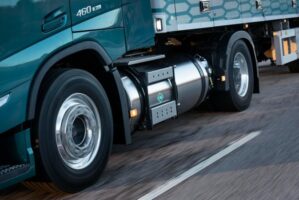
Alongside the development of intermodality, Amazon is also pursuing programmes to reduce environmental impact on first- and last-mile road segments. In this direction, the company is progressively integrating electric vehicles and vehicles powered by alternative fuels into its transport network. In 2022 the company announced an investment of more than €1bn over the following five years to support the electrification of the fleets of delivery service providers in Europe. In January 2025 Amazon also announced the largest order ever placed for electric industrial vehicles, with more than 200 new trucks.
Amazon is also part of the Combined Transport for Europe campaign promoted by Uirr (International Union for Road-Rail Combined Transport). The initiative involves logistics operators, companies and institutions with the aim of increasing the use of intermodal solutions, particularly rail and maritime, on longer routes, integrating them with road transport where necessary. The stated objective is to contribute to the creation of a more efficient and resilient European transport network capable of reducing congestion and emissions while maintaining a high level of reliability in logistics flows.