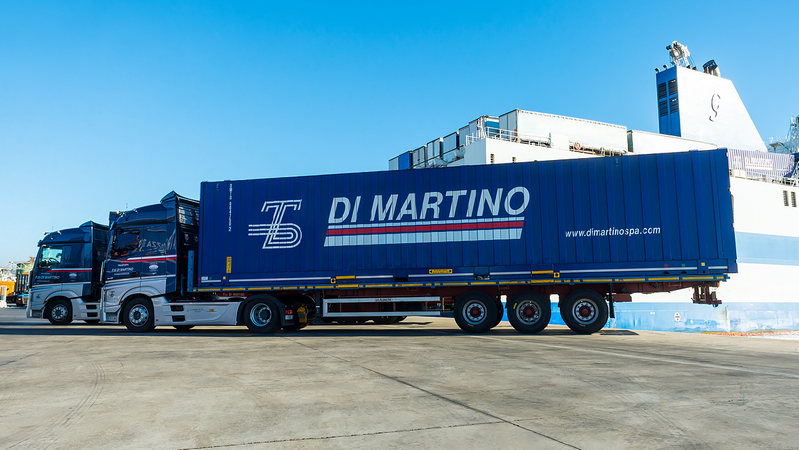







Global transport relies on a fleet of over 50 million containers, with approximately 250 million annual movements and a total capacity nearing 14 million twenty-foot equivalent units for specialised vessels alone. This infrastructure, essential for global logistics, also entails significant costs due to damages caused by improper securing, poor cargo arrangement, documentation issues, and consequent customs holds. It is estimated that the sector faces annual losses of around 6 billion dollars.
To counter this phenomenon, Bureau Veritas Italia has introduced an initiative aimed at enhancing safety and reducing the number of incidents. The company proposes a certification system based on a 34-point checklist, developed by the Italian Centre for Container Studies and derived from the CTU Code, which is incorporated into the Container Loading Assessment certificate. This tool serves as a guarantee for industry operators and helps to mitigate operational risks.
The certification is not limited to a physical inspection of containers but also involves an interface and collaboration process with leasing companies and logistics operators. In theory, all containers should be inspected after the first five years of production and subsequently every thirty months to ensure compliance with safety requirements. In countries adhering to the Convention for Safe Containers (CSC), the absence of the corresponding certificate results in the immediate blocking of the container, preventing its use in freight centres.
Diego D’Amato, president and CEO of Bureau Veritas Italia, emphasised that the company, which specialises in container certification and approval, is already conducting quality tests during the construction phase and performing periodic certifications on various types of containers. Dry containers, for instance, undergo inspections every five years, whereas tank containers for hazardous goods require checks every two and a half years.
However, the increasing incidence of damage related to container use has prompted Bureau Veritas to promote a structured and coordinated intervention across the entire transport unit. D’Amato also highlighted the potential collaboration with insurance companies, which could encourage more responsible container usage, ultimately leading to economic benefits for the entire sector.