




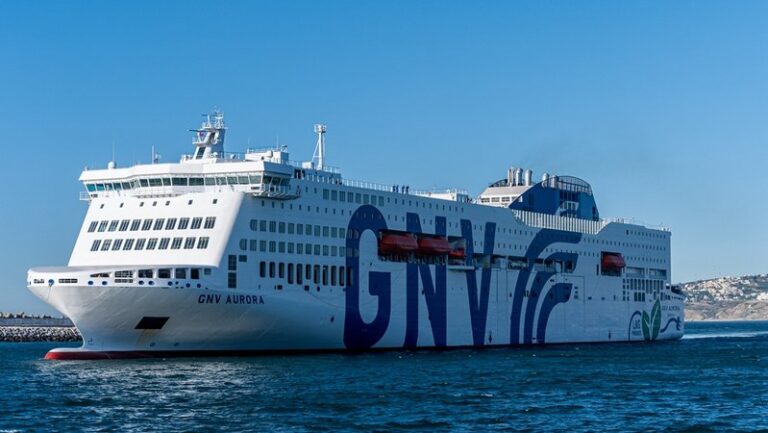
GNV, part of MSC Group, named the ro-pax GNV Aurora in Tangier on 2 June 2026. It is the fourth and final vessel in the first series of next-generation ships ordered from the Chinese shipyard Guangzhou Shipyard International. The ceremony, held at the Port of Tangier Ville and attended by more than 500 guests, also marked the formal launch of operations by the fleet’s two most advanced vessels, GNV Aurora and GNV Virgo, on routes linking Tanger Med, Barcelona and Genoa.
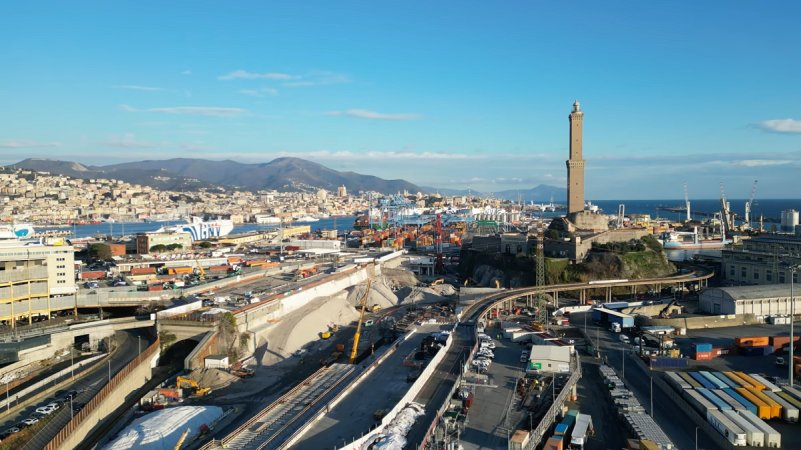
Both ships are powered by liquefied natural gas and will be permanently deployed on services between Italy, Spain and Morocco. GNV Aurora entered service on 1 June, while GNV Virgo will begin operations on 1 July. Barcelona will serve as a transit hub for the route connecting the three countries, while Genoa will be the main LNG bunkering port for both vessels, with refuelling taking place on average every four or five days. The investment forms part of a fleet renewal plan worth a total of €1.3 billion, covering eight new ro-pax vessels by 2030. The four ships already delivered will be joined by another four vessels from 2027, with deliveries scheduled at six-month intervals.
Morocco is an established market for GNV. In almost 20 years of operations in the country, the company has carried around six million passengers. In 2025, passenger numbers on its Moroccan routes exceeded 465,000, confirming the importance of the North African market within the company’s network. Around 250 Moroccan employees, including seafarers and shore-based staff, work permanently for GNV. The deployment of the two new vessels has also been planned around the 2026 summer season and Operation Marhaba, the annual initiative that, between June and mid-September, supports the journeys of more than three million Moroccan citizens living in Europe as they travel to their country of origin.
GNV Aurora has a gross tonnage of around 53,000 tonnes, a length of 218 metres, a beam of 29.60 metres and a maximum speed of 25 knots. It can accommodate up to 1,700 passengers in 426 cabins and carry up to 2,780 lane metres of rolling cargo. According to the company, LNG propulsion can reduce CO2 emissions by up to 50% per transportable unit compared with earlier generations of ferries, while also significantly cutting nitrogen oxides, sulphur oxides and particulate matter. The vessel complies with IMO Tier III emissions standards.
On-board technologies include heat recovery systems for electricity generation, low-consumption full LED lighting, inverters to optimise the electrical loads of pumps and ventilation systems, advanced hydrodynamic solutions for the hull, propellers and rudders, and cold ironing, allowing the vessels to connect to the shoreside electricity grid while in port.