




Il primo razionamento concreto di carburante avio in Italia è iniziato il 4 aprile 2026, quando Air BP Italia - filiale del colosso energetico britannico BP e uno dei principali fornitori di cherosene negli scali nazionali - ha emesso Notam di "disponibilità ridotta" o "limitata" di Jet A1 per quattro aeroporti: Milano Linate, Bologna, Venezia Marco Polo e Treviso. I Notam sono bollettini aeronautici ufficiali tramite cui si notificano ai piloti e alle compagnie variazioni che possono influire sulla sicurezza e sull'operatività dei voli. In questo caso, i bollettini emessi da Air BP fissano priorità di rifornimento e, per la maggior parte dei voli, tetti massimi di carburante imbarcabile per aeromobile.
La priorità nei rifornimenti è assegnata, in modo uniforme nei quattro scali, a tre categorie di voli: quelli ambulanza e sanitari, quelli di Stato e quelli con durata superiore alle tre ore. Per tutti gli altri voli, il contingentamento è quantificato: a Bologna e Venezia il tetto è fissato a 2mila litri per aeromobile; a Treviso a 2.500 litri. A Linate non è indicato un volume preciso, ma il Notam segnala una "disponibilità ridotta di carburante Jet A1 fornito da Air BP Italia" per l'intera finestra temporale, dal 4 aprile ore 5.30 al 9 aprile ore 23.30. Per Bologna e Treviso i limiti restano in vigore fino alla mezzanotte del 10 aprile; per Venezia fino all'1.59 dello stesso giorno. Il Notam relativo allo scalo lagunare contiene anche una raccomandazione esplicita ai piloti: fare carburante prima di arrivare a Venezia.
Al 4 aprile, nessun altro aeroporto italiano risulta interessato da analoghi Notam di limitazione del carburante. Gli hub principali - Fiumicino e Malpensa - continuano a operare con scorte considerate nella norma. Le misure interessano solo il carburante fornito da Air BP, e non escludono il ricorso ad altri operatori presenti negli stessi scali. A Linate la presenza di fornitori alternativi riduce il rischio di una mancanza effettiva di Jet A1, pur confermando la tensione sulla catena di approvvigionamento.
Le compagnie aeree clienti di Air BP si stanno adattando attraverso diverse strategie operative: il tankering, ovvero l'imbarco di quantitativi maggiori di carburante in scali senza limitazioni, così da ridurre il fabbisogno di rifornimento negli aeroporti contingentati; il ricorso a fornitori alternativi dove presenti; la ripianificazione delle rotazioni, per evitare che uno stesso aeromobile effettui più cicli consecutivi su scali soggetti a razionamento. Grazie a queste opzioni, nel breve periodo, Pasqua e i giorni immediatamente successivi, i voli sono al riparo da cancellazioni direttamente imputabili alla carenza di carburante.
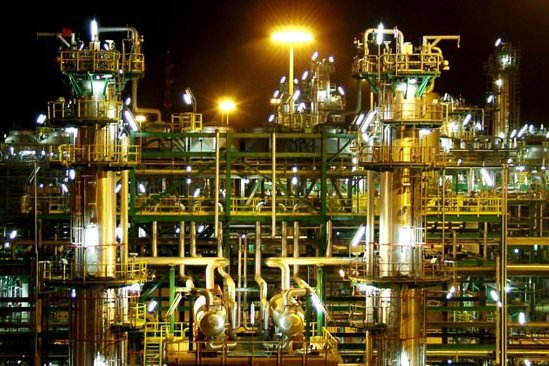
La causa di fondo è la guerra in Medio Oriente e il conseguente blocco, o fortissima restrizione, del traffico petrolifero attraverso lo Stretto di Hormuz, snodo da cui transita una quota consistente del cherosene destinato all'Europa. Secondo i dati Vortexa elaborati da Bloomberg News, le importazioni di carburante avio, incluso il cherosene, dal Golfo Persico coprono circa la metà delle importazioni totali dell'Unione europea e del Regno Unito. Con il blocco di Hormuz, questi flussi si sono praticamente azzerati. S&P Global ha documentato una caduta delle importazioni europee di Jet A1 già nel mese di marzo, con prezzi che, secondo l'agenzia Anadolu, sono arrivati a raddoppiare rispetto ai livelli precedenti alla crisi. Le alternative , forniture da India, Stati Uniti o Africa occidentale. non riescono a compensare i volumi mancanti con la necessaria rapidità, per limiti logistici, di capacità e di costo.
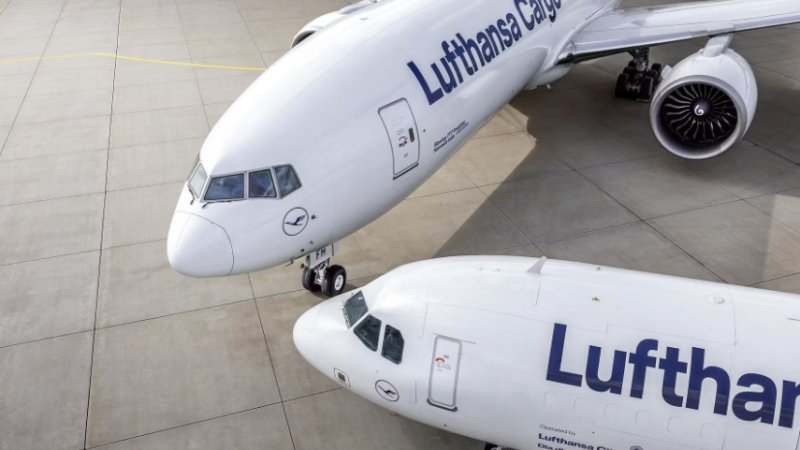
La fotografia della situazione emersa dai mercati internazionali trova riscontro nelle dichiarazioni dei principali operatori del settore. Grazia Vittadini, responsabile della divisione tecnologia, It e innovazione di Deutsche Lufthansa, ha dichiarato al quotidiano tedesco Die Welt che "la disponibilità è già difficile in alcuni aeroporti in Asia" e che "quanto più a lungo lo Stretto di Hormuz resta bloccato, tanto più la situazione degli approvvigionamenti può diventare critica." Il gruppo, il più grande in Europa nel trasporto aereo, ha già predisposto piani che includono la messa a terra di aeromobili in caso di ulteriore calo della domanda e di nuova crescita dei prezzi del carburante. Vittadini ha precisato che Lufthansa è in larga misura protetta da contratti di copertura finanziaria che tutelano l'80% del fabbisogno di carburante per l'anno in corso, ma ha riconosciuto che "certamente, i prezzi crescenti del cherosene ci impattano comunque".
Le scorte europee stanno reggendo, ma con un margine di tempo limitato. L'elemento simbolico che tiene banco tra gli operatori è l'arrivo previsto a Rotterdam il 9 aprile dell'ultima petroliera carica di cherosene partita dal Golfo Persico prima del blocco di Hormuz. Secondo le principali stime, anche considerando le riserve strategiche e le misure straordinarie adottate dai Governi, da fine aprile-inizio maggio la disponibilità di cherosene in Europa potrebbe scendere fino alla metà del fabbisogno normale. I grandi vettori, tra cui Ryanair e Lufthansa, e le associazioni di categoria hanno già segnalato il rischio di dover ridurre i programmi di volo per l'estate, se la crisi non dovesse risolversi nel breve periodo.
Aci Europe - l'associazione degli aeroporti europei - ha dichiarato che al momento non vi è una "carenza sistemica", ma ha sottolineato l'esistenza di rischi da bassi a moderati per molti scali e la necessità di predisporre piani di emergenza. In Italia, il presidente dell'Enac Pierluigi Di Palma ha riconosciuto l'impatto del conflitto in Medio Oriente sui costi e sulla disponibilità di carburante, precisando che al 4 aprile non si registrano cancellazioni di voli in Italia direttamente imputabili alla carenza di Jet A1. L'ente controlla settimanalmente ritardi e cancellazioni.
La crisi si incrocia con il regolamento europeo ReFuelEu Aviation, in vigore dal 2025, che impone una quota minima del 2% di carburante sostenibile per l'aviazione (Saf) nel mix di rifornimento degli aeroporti Ue. Il Saf costa in media circa il doppio del cherosene tradizionale e la sua disponibilità è strutturalmente limitata, il che rende di fatto impossibile utilizzarlo come leva per compensare, in tempi rapidi, le carenze di carburante fossile. Le compagnie aeree europee hanno già contestato le norme sui carburanti sintetici previste dal regolamento, proprio in questo contesto di mercato instabile.
Le ricadute per i passeggeri e le merci belly sono di due ordini. Il primo, immediato: gli aumenti dei prezzi dei biglietti, attraverso cui le compagnie stanno trasferendo - almeno in parte - il rincaro del carburante. Il secondo, potenziale: possibili tagli di capacità in vista dell'estate, con conseguenti difficoltà per chi ha già acquistato biglietti o sta pianificando viaggi nei prossimi mesi.