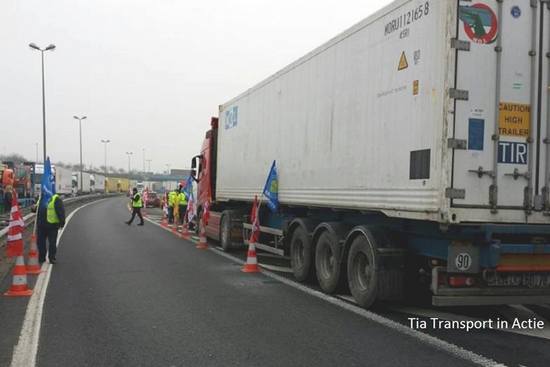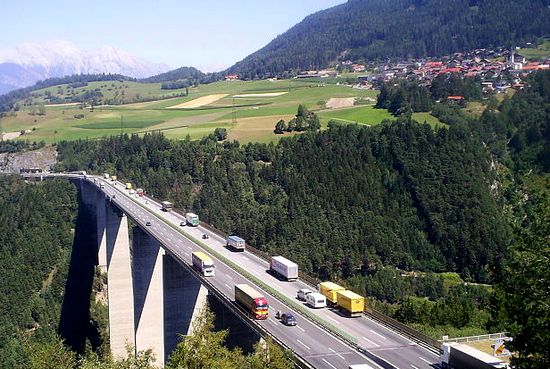







The protests by French farmers, which broke out in mid-December 2025 and are still ongoing, are having an impact on the movement of goods, particularly affecting traffic to and from Spain. The blockades – triggered by opposition to health measures on contagious bovine nodular dermatitis and to the trade agreement between the European Union and Mercosur – have affected strategic corridors such as the A7 motorway in the Rhône Valley, the A75 in the Massif Central and the main crossings with Spain, notably the Biriatou and Irún areas. According to estimates released by Spanish road haulage associations, the disruption is generating losses of up to around €10 million per day for Spanish operators alone involved in international traffic.
The operational context is marked by prolonged queues, compulsory diversions and difficulties in meeting delivery schedules, with a direct impact on supply chains and perishable goods. Trade bodies have also reported additional fuel costs which, on individual journeys, can exceed €500, alongside a deterioration in the reliability of logistics links across Europe. The French Ministry of the Interior has confirmed a gradual reduction in protest actions in the days leading up to the festive period, but has still recorded dozens of initiatives remaining active, involving hundreds of people.
Against this backdrop, the responses of the two countries concerned differ. In Spain, the Ministry of Transport has chosen to intervene on the regulatory front to support the operational capacity of road haulage companies. With a resolution published in the Boletín Oficial del Estado on 19 December, the Dirección General de Transporte por Carretera y Ferrocarril authorised a temporary derogation from the driving and rest times laid down in Regulation (EC) No 561/2006. As explained by the ministry itself in an official note, the measure is based on Article 14(2) of the European Regulation, which allows temporary exceptions in the event of exceptional and unforeseeable circumstances.
The derogation, valid for fifteen days and applicable only to international goods transport with origin, destination or transit in France, raises the daily driving limit to eleven hours and the weekly limit to 60 hours, bringing the fortnightly ceiling to 120 hours. At the same time, the minimum daily rest is reduced to nine hours and, on an exceptional basis, the possibility of postponing the weekly rest for up to twelve consecutive 24-hour periods is also extended to freight transport. According to associations Cetm, Fenadismer and Astic, the measure could potentially affect around 100,000 drivers, equivalent to almost 30% of the national fleet engaged in international operations.
The Spanish government justified the intervention by citing the need to mitigate the effects of logistical disruption, ensure continuity of supply flows and allow drivers to return to their place of residence during the festive period. The resolution has been notified to the European Commission, as required by EU law. Alongside the derogation on driving times, Madrid has also activated a diplomatic channel, with formal letters sent to the French authorities urging more decisive action against the road blockades, described as recurrent and damaging to the single market.
France has adopted a more cautious approach on the regulatory front, despite being the country where the protests originated. Based on communications from the French Ministry of Transport and information released by trade associations such as Fntr and Otre, there are currently no temporary derogations on driving and rest times for goods transport. Minister Philippe Tabarot has limited himself to public appeals to farmers to avoid blockades during the Christmas period, recalling the economic importance of freight circulation, but without introducing flexibility measures similar to those adopted by Spain.
In France, the ordinary bans on the circulation of heavy goods vehicles remain in force, with the usual restrictions between Saturday evening and Sunday and specific applications on public holidays. The prefectures have only introduced targeted and temporary bans on individual road sections, as reported by Fntr in departments such as Hérault and Lozère, for safety reasons linked to the protests. The only recent French precedent for a derogation dates back to last winter and was limited to passenger transport following a landslide in Savoie, confirming a more restrictive line of intervention in the freight sector.
Pietro Rossoni