








Ups is accelerating its downsizing plan, which it first outlined in April 2025 when, presenting its first-quarter results, it announced plans to cut around 20,000 jobs and close 73 leased or owned facilities as part of the “Network Reconfiguration and Efficiency Reimagined” programme. The goal of the initiative is to generate savings of USD 3.5 billion in 2025. On 28 October, during the presentation of its third-quarter results, the multinational revised the figure upwards to 34,000 job cuts, marking the most significant operational transformation in its history. Ups currently employs around 490,000 people worldwide.
The drastic workforce reduction is tied to the “Better Not Bigger” strategy introduced by CEO Carol Tomé, which prioritises profitability over parcel volumes. At the core of this strategy is the planned reduction of more than 50% in volumes handled for Amazon, Ups’s largest customer, by mid-2026. The company has stated that working for the e-commerce giant is “no longer profitable”. The courier is now redirecting its focus towards small and medium-sized enterprises and specialised segments such as healthcare logistics, express deliveries, and temperature-controlled shipments.
Ups’s restructuring strategy extends beyond job cuts, involving a deep reconfiguration of its logistics network through consolidation and automation. The company closed 93 facilities in the first nine months of 2025 and plans to identify further sites for closure as it reviews projected changes in volumes across its integrated air and ground transport network. Around 400 facilities will become partially or fully automated, reducing reliance on manual labour.
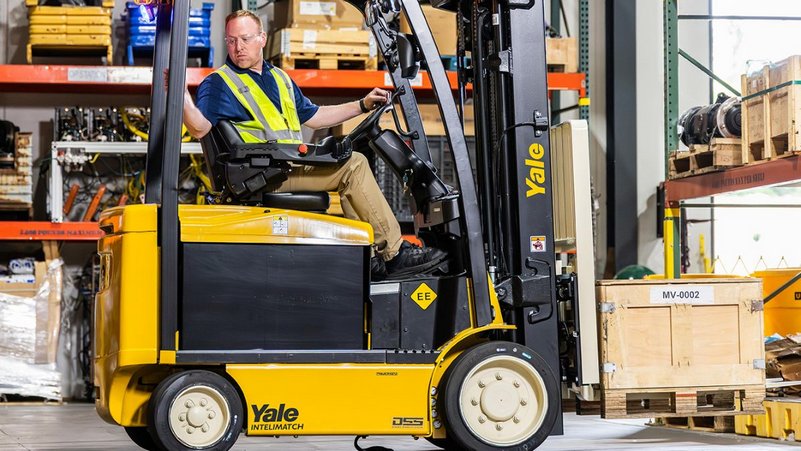
On the automation front, Ups has deployed more than 1,400 robots across its facilities, aiming to use automation to handle repetitive tasks and boost efficiency. At its most advanced site, the Ups Velocity warehouse in Louisville, Kentucky, robots outnumber human workers by 15 to 1, with productivity gains of up to 300% in certain processes. The company employs autonomous guided vehicles, pick-and-place robotics and automatic trailer unloading systems supplied by Geek+, Locus Robotics, Dexterity, Plus One Robotics and Pickle Robot.
In the third quarter of 2025, Ups reported consolidated revenue of USD 21.4 billion and consolidated operating profit of USD 1.8 billion. Cost-cutting measures, including previously implemented workforce reductions, have generated savings of around USD 2.2 billion in the first nine months of 2025, and the company expects to achieve its target of USD 3.5 billion in total annual savings for the year.
Despite these positive results, Ups continues to face significant macroeconomic challenges. The small parcel delivery sector is struggling due to slower corporate decision-making and weak consumer sentiment, while companies adjust to the economic effects of President Trump’s shifting trade policies, including tariffs and the removal of the de minimis threshold, which are driving up costs and reducing volumes.