








The United States government could increase the universal tariff on imports from 10% to 15% within days. Treasury Secretary Scott Bessent said this in an interview with CNBC on 4 March 2026, explaining that the administration led by President Donald Trump plans to introduce the measure later this week. The initiative follows last month’s Supreme Court ruling that invalidated much of the previous tariff regime adopted by the White House. According to Bessent, the 10% universal tariff introduced in February is a temporary solution adopted by the government to maintain a tool of trade pressure while the administration prepares a new regulatory framework. Any increase to 15% would fall within the same emergency framework and would remain in force for a maximum of 150 days, the limit set by the legislation used to introduce the measure.
During this period, US trade authorities are expected to work to restore the tariff system that was in place before the Supreme Court’s decision. Bessent explained that the goal is to return to using existing legislative tools, such as measures provided under Sections 301 and 232 of US trade law. According to the Treasury Secretary, these instruments require longer implementation times but provide a stronger legal basis. “It is my strong conviction that the rates will return to their previous levels within five months,” he said. The prospect of a broad increase in US customs tariffs could also have implications for international trade and logistics flows. A universal tariff of 15% would affect all imports into the United States, increasing sourcing costs for numerous industrial supply chains and potentially reshaping maritime and intermodal transport routes serving the US market.
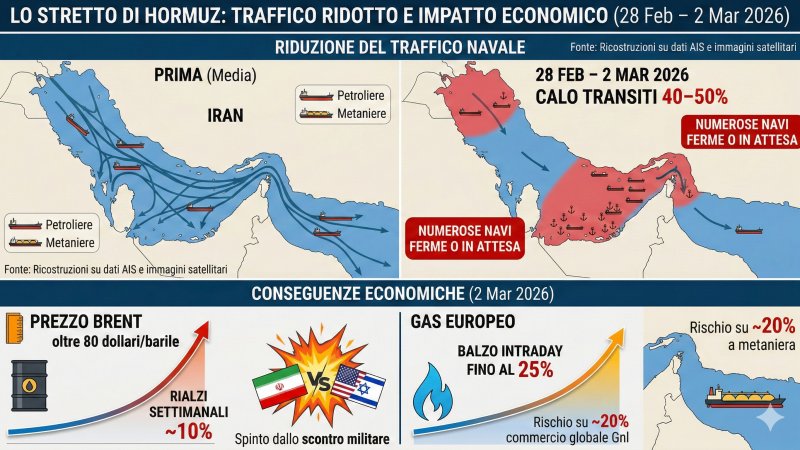
In the same interview, Bessent also addressed geopolitical tensions in the Middle East and their potential impact on energy markets. The Treasury Secretary downplayed concerns about an oil shortage linked to the conflict involving the United States, Israel and Iran, arguing that global supply remains ample. According to Bessent, large volumes of crude oil are available on the global market, with hundreds of millions of barrels already in transit outside the Persian Gulf area. The US administration, he added, is also preparing additional measures to support the security of energy shipments.
These initiatives include a plan announced by the government to offer insurance coverage for tankers transporting oil and, when necessary, to guarantee safe passage through the Strait of Hormuz with the presence of the US Navy. Bessent also highlighted China’s strong energy dependence on the Persian Gulf. According to the Treasury Secretary, more than 50% of Chinese energy imports come from the region. He added that Beijing has purchased around 95% of Iranian crude exports, flows that are currently suspended due to the conflict.
During the interview, the possible use of trade measures against Spain was also mentioned, following remarks by President Trump about a potential embargo. Bessent explained that sanctions of this kind would require coordinated action across several departments of the US administration, without confirming whether such a measure will actually be adopted.