






Array ( [0] => 8 [1] => 41 )

Podcast K44

Cronaca

  • Controllo straordinario sui camion in Germania sull’A2

    Controllo straordinario sui camion in Germania sull’A2

    La Polizia autostradale tedesca di Bielefeld ha controllato circa 130 veicoli industriali sulle aree di servizio Lipperland Nord e Sud, tra Bielefeld e Herford. Contestate 87 infrazioni, di cui 35 su tempi di guida e riposo. La Dogana ha avviato ulteriori verifiche su lavoro irregolare e salario minimo.

Transpotalk

Normativa

Mare

  • Pesanti attacchi a navi cargo nel Mar Nero

    Pesanti attacchi a navi cargo nel Mar Nero

    Droni hanno colpito due navi cargo nel Mar Nero, il giorno dopo l'affondamento della Royad Mammadov, diretta a Ravenna, al largo della Romania. Una nave è affondata e il suo equipaggio risulta disperso, mentre i 18 marinai dell'altra sono stati salvati dopo un incendio a bordo.

Autotrasporto

  • Fusione miliardaria nell’autotrasporto Usa

    Fusione miliardaria nell’autotrasporto Usa

    L'accordo annunciato il 5 ottobre 2026 unisce due dei principali intermediari del trasporto stradale nordamericano, C.H. Robinson e Rxo. La chiusura è prevista nel primo semestre 2027, dopo il voto degli azionisti Rxo e le autorizzazioni regolatorie. L'obiettivo è attuare 300 milioni di dollari di sinergie annue entro due anni.

    The Freight Leaders Council raises alarm over the competitiveness of Italian ports

    The ninety-day suspension of key customs duties between the United States and China, which has drastically reduced tariffs (from 145% to 30% for those imposed by Washington, from 125% to 10% for those by Beijing), was met with relief by the markets. However, now is not the time to lower our guard, warns the Freight Leaders Council, which argues that the trade truce does not resolve the underlying tensions that continue to jeopardise global stability.

    According to the association’s president, Massimo Marciani, the reopening of trade channels between the two powers is a “strategic window”, but it should not overshadow the domestic issues that hinder Italy’s logistical potential. The tax system remains a central issue: Italian ports suffer from a clear competitive disadvantage compared to their Northern European counterparts, where VAT management mechanisms are significantly more business-friendly.

    The effects of US tariff policies are already visible. Tariffs of up to 145% on Chinese goods have led to a significant slowdown in trade flows to the United States, with a projected 35% drop in imports at the ports of Los Angeles and Long Beach, and substantial repercussions also affecting the Atlantic coast, from New York to New Jersey. According to the World Trade Organization, without an agreement, US-China trade could have contracted by as much as 80%, putting entire supply chains at risk.

    Italy has also felt the impact of this instability, particularly in exports to the United States. Marciani notes that logistics is often the first indicator of an economic crisis: when flows come to a halt, it is already too late to take action. Yet, he warns, logistics continues to be underestimated in political decision-making. The Freight Leaders Council stresses the importance of seizing the opportunities presented by the National Recovery and Resilience Plan. More than 130 million euros in public funding are already available, which could generate nearly half a billion euros in investment, especially in the digital transformation of the sector. But time is running out, and these resources risk going unused without decisive intervention.

    Among the Freight Leaders Council’s proposals is the urgent need to advance the digitalisation of the supply chain, strengthen intermodality and create alternative corridors. However, the tax issue remains at the heart of the problem. The comparison with the Netherlands is telling. In Rotterdam, the Postponed VAT Accounting system allows businesses to defer VAT payments by simply recording the tax in their periodic returns. In Italy, by contrast, VAT must be paid immediately upon the goods' arrival, increasing financial pressure on companies.

    Marciani offers a concrete example: a ship loaded with shoes docks in Rotterdam, and the producer pays 21% VAT only when the goods are sold. If the same ship arrives in Gioia Tauro, the 22% VAT must be paid immediately, even before the goods are unloaded. Under these conditions, he concludes, it is impossible to compete based solely on logistical efficiency. A level fiscal playing field is needed. The absence of a VAT deferral mechanism drives many companies to choose Northern European ports, despite their greater distance from Italian markets.

    This choice diverts traffic away from national ports, slows down internal logistics and reduces the economic impact on local territories. Yet, according to the Freight Leaders Council, Italy’s logistics system has the infrastructure, expertise and businesses to play a leading role in international trade. But without a shared strategic vision and a fiscal reform that restores fair competition, Italy risks once again being left on the sidelines.


    © TrasportoEuropa - Riproduzione riservata - Foto di repertorio
    Segnalazioni, informazioni, comunicati, nonché rettifiche o precisazioni sugli articoli pubblicati vanno inviate a: redazione@trasportoeuropa.it


      Puoi commentare questo articolo nella pagina Facebook di TrasportoEuropa

      bottone newsletter piccolo Vuoi rimanere aggiornato sulle ultime novità sul trasporto e la logistica e non perderti neanche una notizia di TrasportoEuropa? Iscriviti alla nostra Newsletter con l'elenco ed i link di tutti gli articoli pubblicati nei giorni precedenti l'invio. Gratuita e NO SPAM!



    CONTENUTI SPONSORIZZATI


Videocast K44

Aereo

  • La domanda di cargo aereo supera la capacità ad agosto 2026

    La domanda di cargo aereo supera la capacità ad agosto 2026

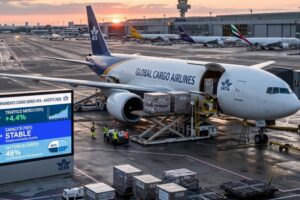
    Le rilevazioni della Iata ad agosto 2026 mostrano che il trasporto merci aereo mondiale è cresciuto del 4,4% su base annua mentre la capacità è sostanzialmente stabile, portando il riempimento al 46%. Guidano Nord America e Asia-Pacifico, arretrano i corridoi mediorientali e il cherosene sale a 157 dollari al barile.

Ferrovia

  • Duisport potenzia i collegamenti ferroviari da Trieste

    Duisport potenzia i collegamenti ferroviari da Trieste

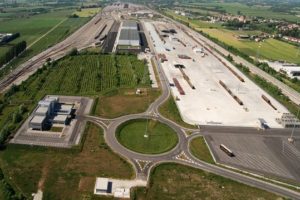
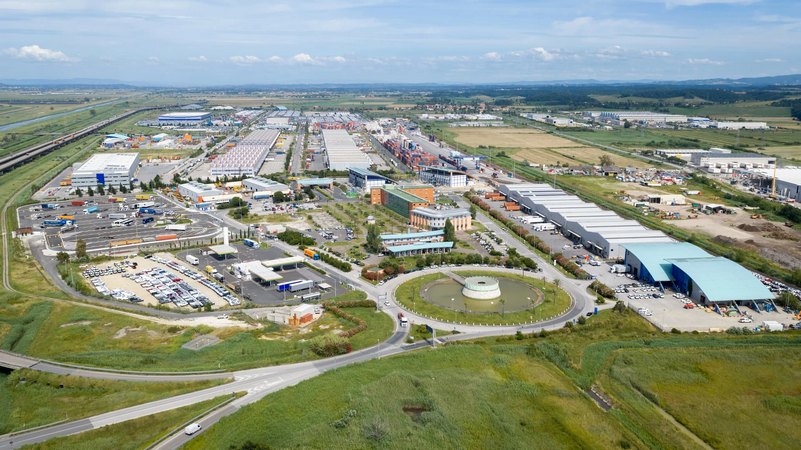
    Duisport porta a quattro le circolazioni settimanali sia sul servizio intermodale Cervignano-Duisburg sia sulla navetta tra il terminal Plt Hhla Italy e l'Interporto di Cervignano. Il servizio, gestito da +.intermodal si basa su un modello neutrale e prevede l'estensione a Wels, in Austria, dal prossimo anno.

Persone

  • L’autotrasporto veronese perde Francesco Corsi

    L’autotrasporto veronese perde Francesco Corsi

    Il 26 settembre 2026 è morto nella sua casa di Colognola ai Colli l’autotrasportare veneto Francesco Corsi. Cominciò nel 1960 con un Leoncino e l’omonima azienda Corsi, specializzata nel trasporto logistica a temperatura controllata e insediata nell'interporto Quadrante Europa di Verona.
L’elettrico Volta Zero torna allo Iaa 2026

TECNICA

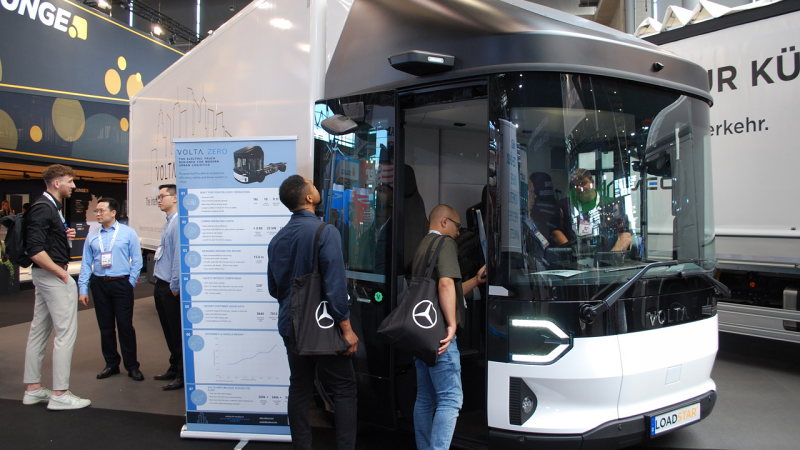
L’elettrico Volta Zero torna allo Iaa 2026
previous arrow
next arrow
Parte la riforma del Codice Doganale europeo

LOGISTICA

Parte la riforma del Codice Doganale europeo
previous arrow
next arrow
Scoperta a Venezia una frode sui carburanti

ENERGIE

Scoperta a Venezia una frode sui carburanti
previous arrow
next arrow
Sanilog avvia una nuova campagna oncologica

SERVIZI

Sanilog avvia una nuova campagna oncologica
previous arrow
next arrow