





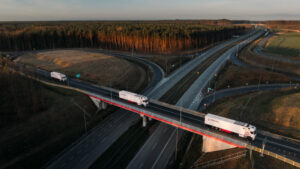
From the early hours of Thursday 25 September, Poland restored access at its border with Belarus. Reports of an imminent reopening had been circulating in the international press, but confirmation only came after the Council of Ministers’ meeting on 23 September. “As announced, following an in-depth analysis based on information received from the Authorities, we are reopening the border. We are constantly monitoring the situation,” read a statement on gov.pl.
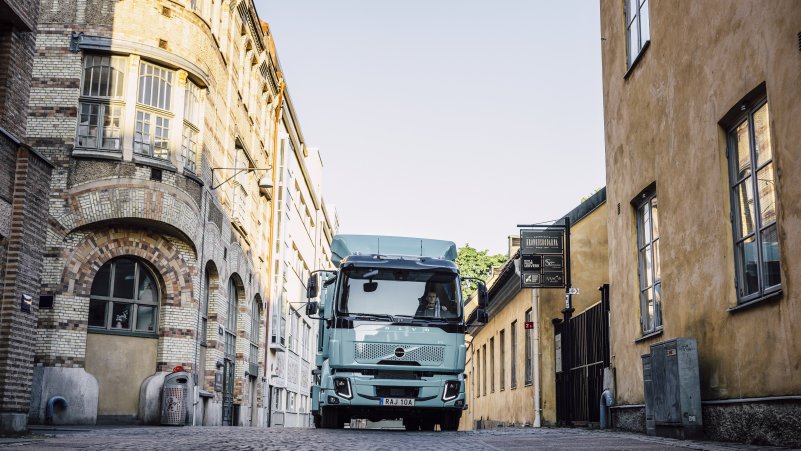
The decision followed protests by Polish hauliers and reports of thousands of trucks blocked in Belarus. Rail freight has also been authorised to resume, with trains waiting at the border now gradually being cleared to cross. According to the Polish Government, military exercises in Minsk’s territory have ended and no longer pose a threat, though a fresh closure has not been ruled out should the alert level rise again.
“We have taken into account the economic interests of Polish carriers, including PKP Cargo, and we believe this to be the best solution. If necessary, should tensions or aggressive behaviour from our neighbours escalate, we will not hesitate to reconsider and close the crossings,” said the Prime Minister.
Around midnight, the Border Guard removed concrete blocks and barbed wire from the Terespol-Brest crossing, reserved for cars, and the Koroszczyn-Kozłowicze crossing, for heavy vehicles, before restoring two-way traffic. To ensure smooth transit and fast processing, the Polish Government has increased the number of customs officers at the border by 30% and said it is ready to raise it further if required. During the first night alone, 272 lorries were cleared for exit from Poland and another 154 for entry, but the queue of vehicles waiting to cross still stretched more than eight kilometres.
The reopening should nonetheless be considered partial, as four of the six road crossings remain closed. Kuznica, in northern Poland, has been shut since 2021 due to strong migration flows; Połowce, further south, was closed during the Covid-19 pandemic and has never reopened; Bobrowniki has been closed since 2023 following the sentencing of a Polish activist in Belarus; and Sławatyczach, in the Lublin area, has been shut since 2020 because of an unusable bridge on the Bug river that runs along the border. Traffic is therefore concentrated at just two points, a situation that would allow the Warsaw Government to seal the Belarusian border again very quickly if needed.
Marco Martinelli