




Msc has pulled out of the Cortenuova (Italy) freight terminal project. The news, delivered on 24 July 2025 by its partner Vitali, marks the conclusion of an initiative launched six years earlier with ambitious aims, which ultimately led nowhere. The container shipping giant, through its subsidiary Medlog, had committed to developing a large-scale logistics platform in the Bergamo area, but eventually chose to withdraw, citing delays in the approval process, regulatory uncertainty, and a lack of clear signals from public institutions. Many observers now view this outcome as inevitable, yet it still raises serious questions about the future of logistics in the Bergamo region and the accountability for a failed investment exceeding 300 million euros.
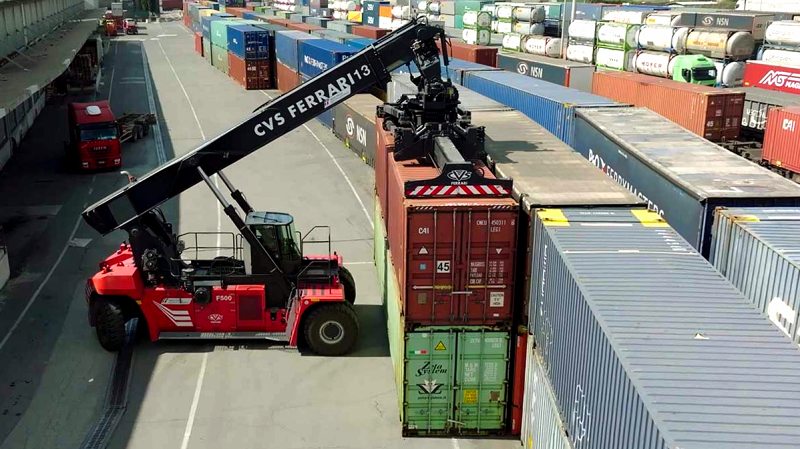
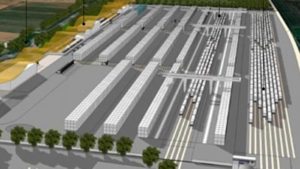
The project took shape in 2019, following the progressive decommissioning of the railway yard on via Gavazzeni in Bergamo, which was permanently closed in 2023 to make way for the new urban district of Porta Sud. The absence of an alternative rail freight facility had long posed a challenge for this highly industrialised area. Against this backdrop, Msc identified the former Acciaierie site in Cortenuova as an ideal location for an inland terminal spanning over 330,000 square metres, with connections to the national motorway and rail networks, serving the major ports of northern Italy. The joint venture Cortenuova Freight Station was established in April 2020, with 60 per cent held by Medlog and 40 per cent by the Vitali Group. The municipality gave its initial approval in August of the same year.
The project initially appeared to gain momentum. In December 2023, Rfi drafted a memorandum of understanding, recognising the strategic national value of the initiative. The document proposed the involvement of the Ministry of Transport, the Lombardy Region, the Province of Bergamo and the Municipality of Cortenuova. The total investment, including railway works and intermodal yards, was estimated at around 300 million euros. However, despite what seemed to be institutional alignment, the memorandum was never signed.
As early as late 2022, the mayors of Cortenuova, Cividate al Piano and Romano di Lombardia had signed an agreement to assess the territorial impact of the project, while operators such as Cisaf and Lotrafer called for swift action to avoid serious harm to local exports. But without formal recognition from the Ministry of Transport of the project’s national interest, the entire operation remained stalled.
The year 2024 marked a turning point. In June, the election of new Cortenuova mayor Ambrogio Falchetti brought a change in direction: the newly elected mayor declared his opposition to the project, citing concerns over land use and infrastructure overload for a municipality of just 2,300 inhabitants. His stance broke the institutional unity required to finalise the memorandum. Around the same time, officials in Rome requested the removal of the private implementing party – Vitali – from the document, insisting it be signed solely by public entities. This added further bureaucratic hurdles to an already faltering process. Lombardy’s regional councillor Claudia Terzi continued to promise that the agreement was imminent, but it never materialised.
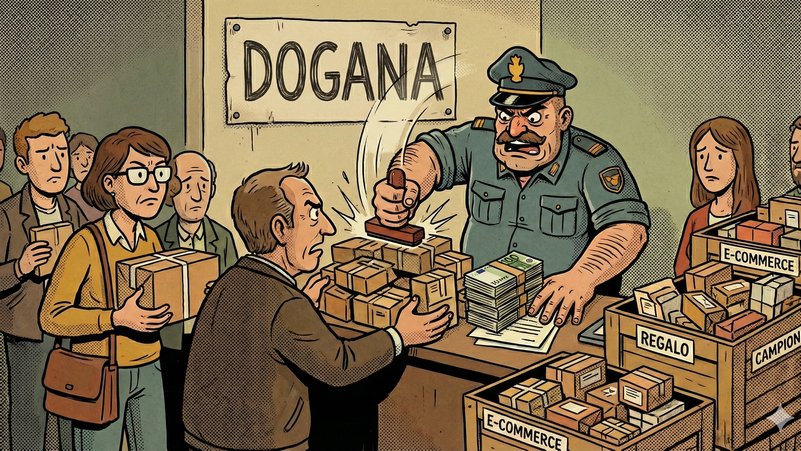
The first clear sign of crisis came in March 2025, when Vitali issued a public warning: Msc was considering relocating the investment to Milan or Brescia, frustrated by ongoing uncertainty and repeated delays. The Province of Bergamo tried to salvage the project by imposing five conditions, including direct rail links and dedicated space for local businesses. However, these assurances lacked binding deadlines. Just days later, on 11 April, the Ministry of Transport convened a fully public technical roundtable, excluding the Cfs company and announcing a complete reset of the process. For Msc, it was the final straw. The Swiss firm, already engaged in new initiatives with Mercitalia Logistics on existing railway sites, was no longer willing to wait without clear government backing.
The official withdrawal was communicated on 24 July by Vitali. Msc decided to exit the joint venture, leaving the redevelopment of the former steelworks site in the hands of its Italian partner, which now faces the task of drastically downsizing the project and seeking new investors. Leading associations of industrialists, hauliers and freight forwarders described it as a missed opportunity that will force Bergamo’s goods onto longer and costlier routes, towards hubs like Genoa or Melzo, with increased traffic and pollution as a result. Uil Lombardia reiterated the urgent need for a dry port and called for extraordinary measures, such as simplified logistics zones, to attract new capital.
One alternative now being reconsidered is Verdello, a site with active rail connections that was evaluated a decade ago but never developed. However, there are no updated studies or confirmed sources of funding. The Province and Rfi are now aiming for a smaller freight terminal, stripped of the original customs functions, in an effort to at least partially meet business needs. Even this scaled-down option, however, comes with a hefty price tag: over 100 million euros will still be required, and without a strong investor like Msc, the future remains uncertain.
The story of the Cortenuova freight terminal thus comes to a close, leaving behind an unopened construction site, a region still lacking a rail logistics hub, and a stark illustration of the structural shortcomings that plague infrastructure planning in Italy. In search of a dry port, one of the country’s most productive provinces ended up lost in a maze of red tape, political fragmentation and indecision.