







The government of Kerala has launched an unprecedented legal action against Mediterranean Shipping Company, seeking compensation amounting to 95.31 billion rupees, or roughly 950 million euros. The lawsuit, filed on 7 July 2025 before the High Court of Ernakulam, stems from the sinking of the container vessel Msc Elsa 3 and the severe environmental and economic damage that followed along the south-western coast of India.
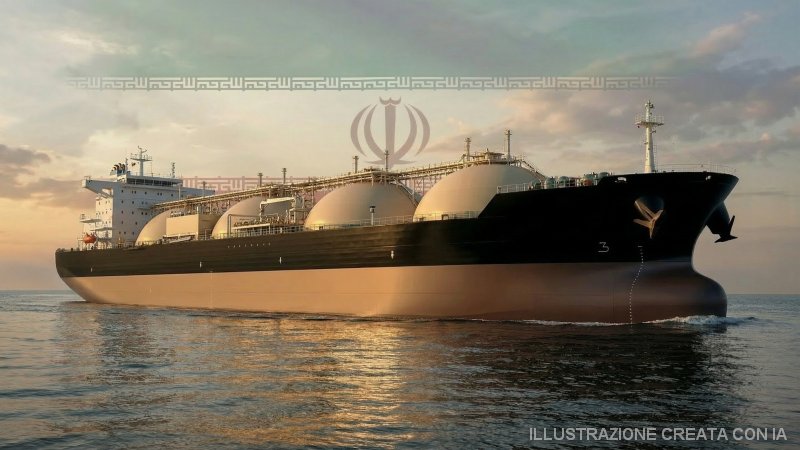
The incident occurred between 24 and 25 May 2025, when the Liberian-flagged vessel, with a capacity of 1,730 teu, sank about 38 nautical miles off the coast of Kochi, within India’s exclusive economic zone. Departing from Vizhinjam, the vessel reported a sudden emergency after listing 26 degrees due to flooding. The crew issued a distress call and was evacuated thanks to the intervention of the Indian Coast Guard and Navy. However, in the early hours of 25 May, the ship sank, taking down 640 containers, including thirteen carrying hazardous materials, along with more than 450 tonnes of fuel, including bunker oil and marine diesel.
The waters of the Arabian Sea were swiftly polluted by a spreading oil slick, while hundreds of sacks of plastic pellets, known as nurdles, began washing up on the beaches of Kerala and even the nearby state of Tamil Nadu. The environmental impact was immediate and visible: among the casualties were dolphins and a sperm whale found with suspicious traces of microplastics in its stomach. Local authorities mobilised emergency teams and hundreds of volunteers to contain the damage, managing to collect at least 60 tonnes of plastic debris.
The economic fallout has been equally serious. The government imposed a fishing ban within a 20-nautical-mile radius of the disaster site, depriving more than 40,000 fishermen between Alappuzha and Kollam of their livelihood. According to Indian sources, consumer distrust has led to a collapse in the seafood market, further worsening the situation for coastal communities. In response to the emergency, Kerala’s authorities have provided financial aid to more than 105,000 families, including direct support for repairing boats damaged by drifting containers.
The compensation claim advanced by Kerala is based on three main categories: environmental pollution and coastal degradation, costs incurred for clean-up and containment efforts, and economic losses suffered by the fishing sector. The largest portion relates to the environmental damage, accounting for over 90% of the estimated total. Legally, the case is based on India’s Admiralty Act of 2017, the 1990 International Convention on Oil Pollution Preparedness, Response and Co-operation (Oprc), and Marpol Annex I, all of which establish the shipowner’s liability in cases of fuel discharge. Kerala is also invoking the 1958 Merchant Shipping Act, which mandates the removal of wrecks and remediation of affected areas.
To support its position, the state has obtained a conditional seizure order on the container ship Msc Akiteta II, docked at the Indian port of Vizhinjam. The court recognised a common control structure between the two vessels and applied the “sister ship” doctrine to ensure that Msc’s assets are not moved outside Indian jurisdiction. Two other Msc vessels had already been impounded in separate actions filed by private importers who lost cargo in the incident.
Insurance issues are proving complex. The sunken ship, built in 1997, was covered by a Hull & Machinery policy, but its residual value was limited. Liability for pollution and wreck removal is instead covered by the Protection & Indemnity Club, part of the International Group mutual insurance system, which provides cover up to one billion US dollars. However, if maintenance deficiencies or undeclared violations during port inspections come to light, portions of this coverage may be rendered void.
Greenpeace and other local NGOs have called for the immediate removal of the remaining fuel estimated at 300 tonnes still on board the sunken vessel, threatening to take the matter to international courts. In the meantime, the Indian government has filed a complaint with the International Maritime Organization over the widespread use of flags of convenience, demanding stricter regulations on hazardous cargo and vessel condition.
Beyond the legal battle, the case of the Msc Elsa 3 may become a turning point for maritime regulation in India. The sinking has exposed the risks associated with ageing ships and opaque corporate structures, paving the way for a potential overhaul of insurance regulations and international accountability. Kerala hopes its legal action will result in historic compensation, but success will depend on its ability to prove the extent of the environmental damage beyond doubt and to keep the company within the reach of Indian justice.