




Array ( [0] => 8 [1] => 39 )

Podcast K44

Cronaca

  • Controllo straordinario sui camion in Germania sull’A2

    Controllo straordinario sui camion in Germania sull’A2

    La Polizia autostradale tedesca di Bielefeld ha controllato circa 130 veicoli industriali sulle aree di servizio Lipperland Nord e Sud, tra Bielefeld e Herford. Contestate 87 infrazioni, di cui 35 su tempi di guida e riposo. La Dogana ha avviato ulteriori verifiche su lavoro irregolare e salario minimo.

Transpotalk

Normativa

Mare

  • Pesanti attacchi a navi cargo nel Mar Nero

    Pesanti attacchi a navi cargo nel Mar Nero

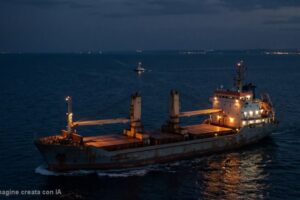
    Droni hanno colpito due navi cargo nel Mar Nero, il giorno dopo l'affondamento della Royad Mammadov, diretta a Ravenna, al largo della Romania. Una nave è affondata e il suo equipaggio risulta disperso, mentre i 18 marinai dell'altra sono stati salvati dopo un incendio a bordo.

Autotrasporto

  • Si può rendere il cronotachigrafo intelligente veramente intelligente?

    Si può rendere il cronotachigrafo intelligente veramente intelligente?

    Secondo Ineo, geolocalizzazione e scarico dati da remoto non bastano a rendere “intelligente” il cronotachigrafo: l'interfaccia è la stessa da vent'anni e le giustificazioni delle deroghe restano sulla carta. Serve un'applicazione certificata e standard minimi di utilizzo a carico dei costruttori.

    European rail freight transport slowed in 2023

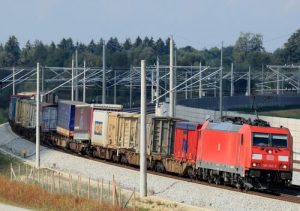
    After years of fluctuating growth and a post-pandemic recovery that never fully took hold, 2023 marked a setback for rail freight transport in Europe. This is revealed by data from the thirteenth Market Monitoring Report published by IRG-Rail, the body that brings together railway regulators from 31 countries across the continent. Overall, freight trains covered approximately 800 million kilometres, representing a 6 percent decrease compared to 2022. Even more significant was the drop in tonne-kilometres moved, which stood at 435 billion, marking an 8 percent contraction year-on-year. Compared to 2019, the pre-Covid year, the figure is identical at minus 8 percent.

    International traffic was the hardest hit, falling by 13 percent in just one year, to the extent that, for the first time since 2010, its share dropped below 50 percent of the total. This trend reflects the performance of the European economy, affected by widespread slowdown, persistently high inflation averaging 7 percent across IRG-Rail countries, and restrictive monetary policies that have dampened production and consumption.

    Despite the decline in demand, railway companies recorded an increase in average revenues. For each kilometre travelled by a freight train, operators earned an average of 5.57 euros, a rise of 12 percent compared to 2022. The average revenue per tonne-kilometre also increased, reaching 4.55 euro cents, up by 15 percent. This tariff adjustment was necessitated by strong pressure on operating costs, particularly energy costs. Countries such as Poland, Germany and France experienced significant increases due to inflation.

    Another striking figure concerns competition. Despite the drop in volumes, the rail freight market remains open and dynamic. In 2023, operators other than the historical incumbents – the former state railways – captured 55 percent of the market in terms of tonne-kilometres transported. National incumbents fell to 45 percent, while foreign operators remained stable at 15 percent. This is a clear sign of the progress of sector liberalisation, with significant competitor presence now established in 26 out of 31 countries.

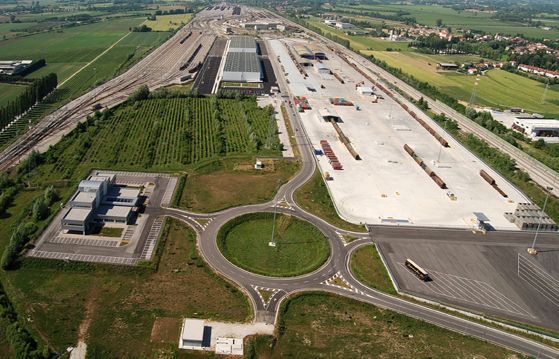
    There are also changes on the infrastructure front. The total number of freight terminals has slightly decreased, particularly in Germany, but 22 percent of active facilities are now classified as intermodal, meaning they can integrate rail with road or maritime transport. This share has remained stable over the past five years, reflecting the growing importance of integrated logistics.

    Punctuality, however, remains a critical issue. The data show wide disparities between countries, ranging from excellent performance, with over 90 percent of trains on time at their final stop, to contexts where punctuality drops to as low as 30 percent. Reported problems include line congestion, unplanned deviations, prioritisation of passenger traffic and staff shortages. Nevertheless, twelve countries improved their punctuality compared to 2022, while seven reported a deterioration.

    Regarding track access charges, 2023 saw a decline in line with the reduction in volumes. Track access charges related to freight services fell by 6 percent, amounting to around 2.34 billion euros, equivalent to 10 percent of all charges collected by infrastructure managers. Many challenges remain: reviving international traffic, supporting intermodality, improving punctuality, and at the same time keeping network access sustainable. IRG-Rail urges a forward-looking approach, as in a Europe aiming for decarbonisation, rail freight transport can play a strategic role.


    © TrasportoEuropa - Riproduzione riservata - Foto di repertorio
    Segnalazioni, informazioni, comunicati, nonché rettifiche o precisazioni sugli articoli pubblicati vanno inviate a: redazione@trasportoeuropa.it


      Puoi commentare questo articolo nella pagina Facebook di TrasportoEuropa

      bottone newsletter piccolo Vuoi rimanere aggiornato sulle ultime novità sul trasporto e la logistica e non perderti neanche una notizia di TrasportoEuropa? Iscriviti alla nostra Newsletter con l'elenco ed i link di tutti gli articoli pubblicati nei giorni precedenti l'invio. Gratuita e NO SPAM!


    CONTENUTI SPONSORIZZATI


Videocast K44

Aereo

  • La domanda di cargo aereo supera la capacità ad agosto 2026

    La domanda di cargo aereo supera la capacità ad agosto 2026

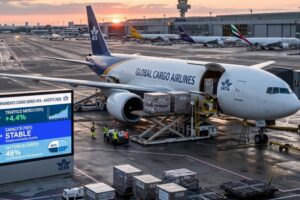
    Le rilevazioni della Iata ad agosto 2026 mostrano che il trasporto merci aereo mondiale è cresciuto del 4,4% su base annua mentre la capacità è sostanzialmente stabile, portando il riempimento al 46%. Guidano Nord America e Asia-Pacifico, arretrano i corridoi mediorientali e il cherosene sale a 157 dollari al barile.
Ferrovia

  • Duisport potenzia i collegamenti ferroviari da Trieste

    Duisport potenzia i collegamenti ferroviari da Trieste

    Duisport porta a quattro le circolazioni settimanali sia sul servizio intermodale Cervignano-Duisburg sia sulla navetta tra il terminal Plt Hhla Italy e l'Interporto di Cervignano. Il servizio, gestito da +.intermodal si basa su un modello neutrale e prevede l'estensione a Wels, in Austria, dal prossimo anno.
Persone

  • L’autotrasporto veronese perde Francesco Corsi

    L’autotrasporto veronese perde Francesco Corsi

    Il 26 settembre 2026 è morto nella sua casa di Colognola ai Colli l’autotrasportare veneto Francesco Corsi. Cominciò nel 1960 con un Leoncino e l’omonima azienda Corsi, specializzata nel trasporto logistica a temperatura controllata e insediata nell'interporto Quadrante Europa di Verona.
La sospensione Saf Fusion toglie 120 chilogrammi al tridem

TECNICA

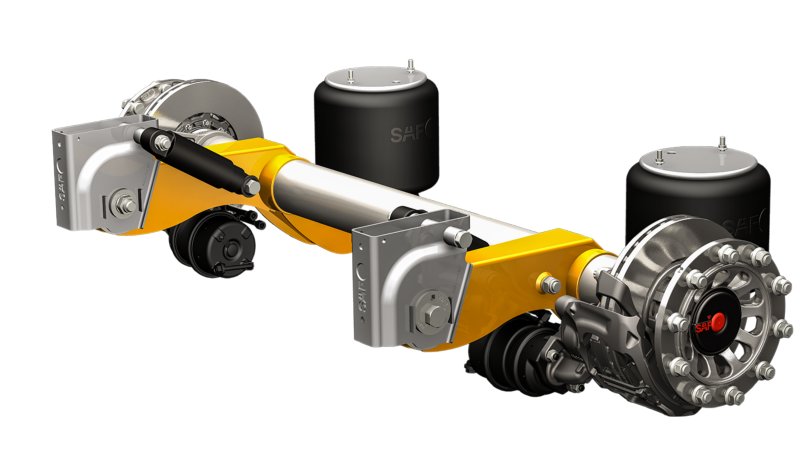
La sospensione Saf Fusion toglie 120 chilogrammi al tridem
previous arrow
next arrow
Logistica del fresco di Prologis nel Mercato Alimentare di Milano

LOGISTICA

Logistica del fresco di Prologis nel Mercato Alimentare di Milano
previous arrow
next arrow
Scoperta a Venezia una frode sui carburanti

ENERGIE

Scoperta a Venezia una frode sui carburanti
previous arrow
next arrow
Sanilog avvia una nuova campagna oncologica

SERVIZI

Sanilog avvia una nuova campagna oncologica
previous arrow
next arrow