



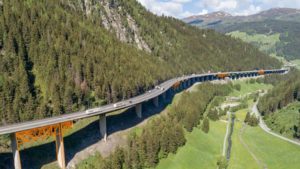
The Austrian federal government adopted on 8 October 2025 the new heavy vehicle toll package (Lkw-Maut-Paket) and the complete transition to a digital vignette system from 2027. The stated objective is to make tolling more transparent by aligning tariffs with the actual environmental and noise impact of heavy traffic. The plan also includes a temporary suspension of automatic inflation adjustment for infrastructure costs, intended to stabilise tariffs in the short term.
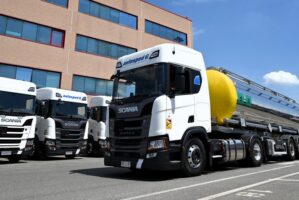
According to the Ministry of Transport, the new scheme introduces a more detailed breakdown of toll rates based on CO₂ emissions, rewarding low- or zero-emission vehicles and imposing higher charges on the most polluting ones. From 2026, toll increases for lorries will range between 10% and 13%, depending on emission class, and will include new cost components linked to environmental and noise impacts. The measure is expected to generate an additional €42 million in state revenue.
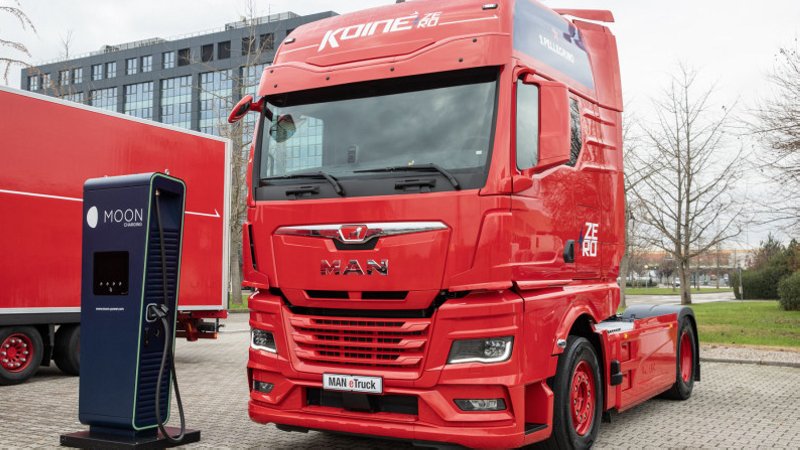
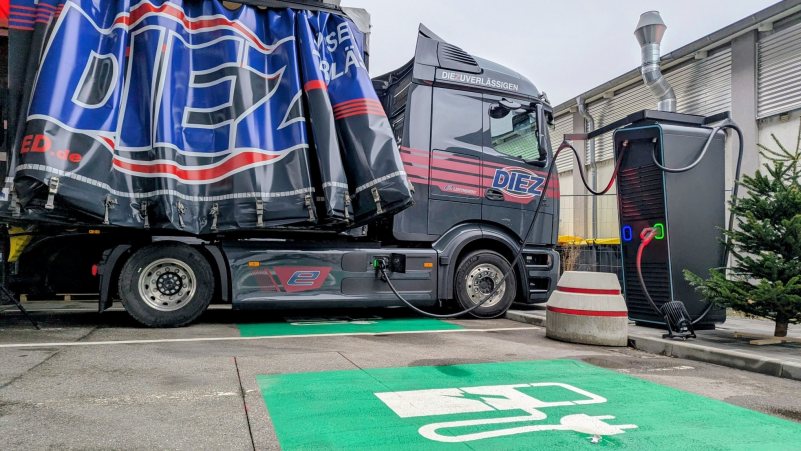
The Austrian government confirmed that the 75% toll discount for zero-emission heavy vehicles will remain in place until 2030, supported by an €80 million fund (eMove Austria) dedicated to the sector’s energy transition. From 2027, paper motorway vignettes will be phased out, with only the digital version remaining, already used by most motorists.
Hauliers’ associations, including the Wirtschaftskammer Österreich (Wko), have voiced concern over the significant impact on transport operating costs. The Wko estimates that a truck covering 180,000 kilometres per year will see its toll expenditure rise from around €100,000 to no less than €110,000 in 2026, in a context where tolls for heavy vehicles have already increased by nearly 30% since 2022.
Operators point out that Austria is already among the European countries with the highest transit costs. The average annual operating cost for a truck could reach €92,000 by 2026, worsening the financial strain on many small and medium-sized logistics firms. The main industry organisations are urging the government to ensure the tariff revision preserves national competitiveness and to apply the highest increases to international transit traffic.
The Wko and other associations have organised protests and meetings with the Ministry of Transport to call for a revision of toll rates and a suspension of the automatic revaluation mechanism. Among the proposals discussed is an increase in short-term vignettes for cars, mostly used by foreign tourists, to ease the financial burden on domestic transport companies. The political debate remains open, with divisions within the governing coalition: the ÖVP is calling for safeguards for the national logistics industry, while Neos supports stricter measures for the most polluting vehicles.