







Amazon closed the second quarter of 2025 with strong and better-than-expected results, confirming the strength of its model that integrates e-commerce, cloud services and logistics innovation. Net sales reached 167.7 billion dollars, up 13% compared to the same period the previous year, while operating profit stood at 19.2 billion, a significant rise from the 14.7 billion recorded in the second quarter of 2024. Net profit also posted a substantial improvement, reaching 18.2 billion dollars, or 1.68 dollars per share, compared to 1.26 dollars the previous year.
All major operational areas contributed to growth: in North America, sales surpassed 100 billion dollars with an 11% increase, while international revenues rose by 16%, reaching 36.8 billion. Amazon Web Services continued to serve as a strategic pillar, generating revenues of 30.9 billion dollars and growing 17.5% year on year. Logistics and fulfilment activities also proved to be the invisible yet crucial infrastructure behind the shopping experience offered by the Seattle-based giant.
During the quarter, Amazon announced a plan to expand its rapid delivery network, aiming to bring same-day and next-day services to tens of millions of US customers in over four thousand communities, including rural areas and small urban centres, by the end of the year. This marks a significant extension of the regional logistics network, designed to shorten distances between sorting centres and recipients, with anticipated benefits in efficiency and customer loyalty.
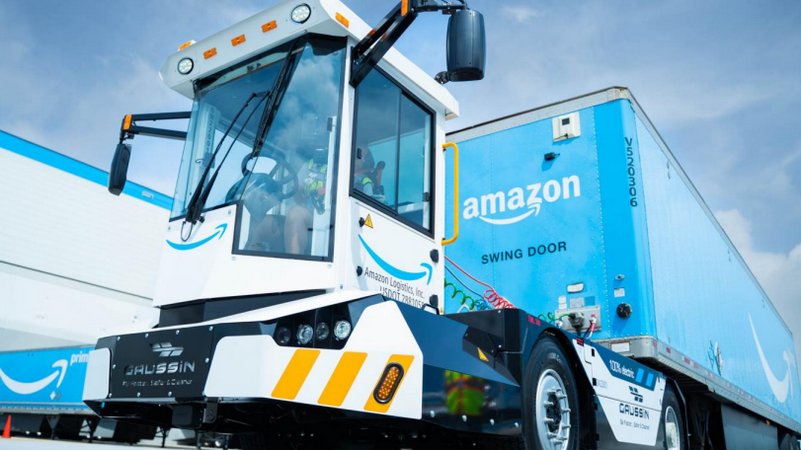
At the same time, the company ramped up investment in automation, introducing DeepFleet, a new artificial intelligence model capable of coordinating over one million mobile robots in warehouses, increasing the efficiency of their movements by an estimated 10%. Another new addition was Vulcan, a robot equipped with visual and tactile sensory capabilities, designed to operate in complex and congested environments, enhancing worker safety and the smoothness of operations.
Predictive inventory management also benefited from the integration of advanced technologies: the adoption of AI-based forecasting systems improved the accuracy of regional demand estimates by 20%, optimising item placement across the distribution network and reducing the risk of mismatches between supply and demand.
From an economic standpoint, fulfilment-related expenses rose by 10% compared to the previous year, reaching 25.976 billion dollars. Despite the nominal increase, their share of revenue slightly declined, from 15.9% to 15.5%. This suggests an improvement in operational leverage, likely supported by the greater efficiency of the logistics network and economies of scale driven by higher volumes handled.
Outlook for the current quarter remains positive. Amazon expects revenue between 174 and 179.5 billion dollars and operating profit ranging from 15.5 to 20.5 billion. The company plans to continue firmly along the path of integrating advanced logistics, artificial intelligence and customer experience personalisation.