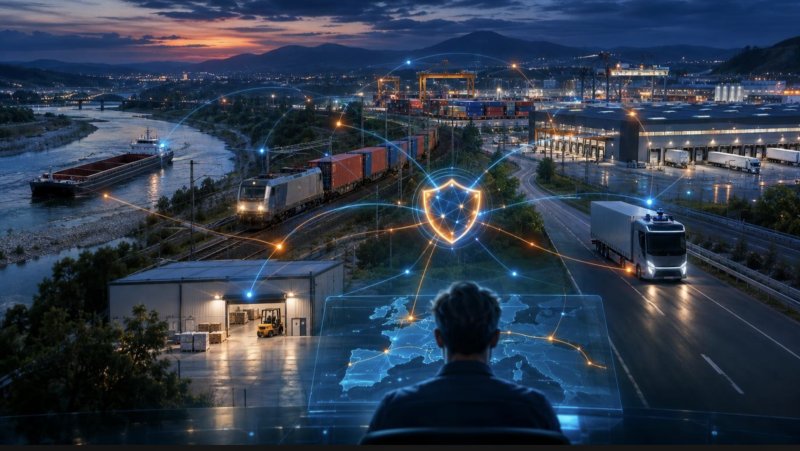






After a 2026 described as a year of acceleration, when artificial intelligence became part of everyday logistics operations, companies will shift their focus from technology adoption to measurable results. This is the picture emerging from Transporeon's forecasts for 2027, which identify five trends against a backdrop of spending constraints and commercial and geopolitical uncertainty. The first concerns the instability of trade routes. Trade policies, energy prices, fuel costs and geopolitical developments are driving volatility, with Europe particularly exposed as conflicts continue to affect supply chains. Elections in major European markets – presidential elections in France and parliamentary elections in Italy, Spain and Poland – could change policies on infrastructure investment, road tolls and the timetable for implementing emissions regulations. North America is similarly exposed to fuel and energy costs: cross-border trade with Mexico and Canada is growing, and tighter controls on Chinese goods transiting through these countries could reshape established routes.
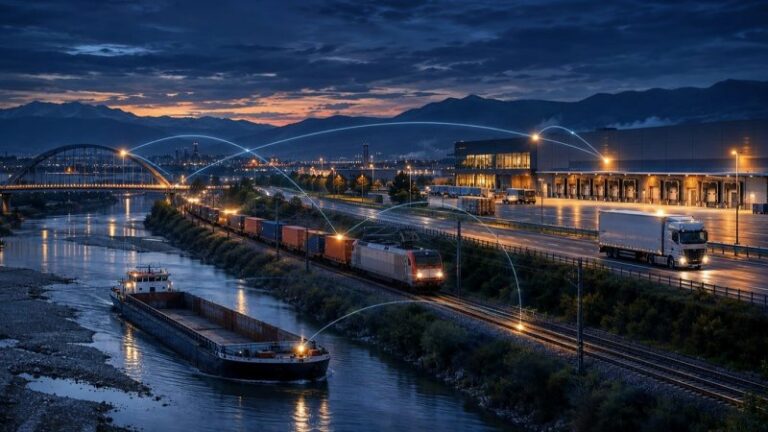
Against this background, climate-related factors are becoming increasingly important. In summer 2026, low water levels on the Rhine forced barges to operate at around one-fifth of their capacity, with a single barge normally carrying the equivalent of 50 to 150 truckloads. Rail can absorb some of the freight that vessels are unable to carry, but handling larger volumes requires improvements across the entire network. Germany is investing heavily in railway infrastructure, with work already under way, but the benefits will take years to materialise. In the meantime, intermodal transport is likely to develop faster along some corridors than others.
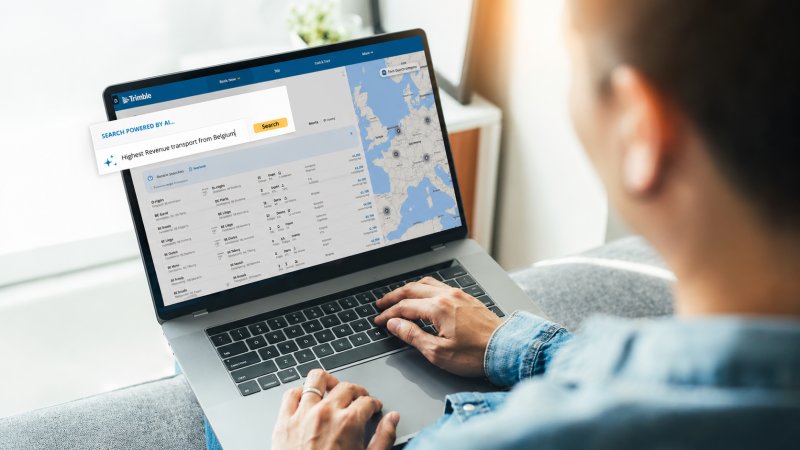
The second trend is the transition from automation to governed AI autonomy. In 2026, Transporeon described artificial intelligence as a colleague. In 2027, according to the company, businesses will entrust AI agents with an increasing number of clearly defined tasks, within secure environments governed by strict rules and controls. Fully autonomous operations, however, remain some way off. Today, most applications still require human activation. Transporeon expects the majority to operate proactively in 2027, with people supervising their results, and requests to evolve from "give me a summary" to "will this shipment be delayed? And what should we do about it?". Answering such questions requires high-quality data. According to Transporeon, however, companies tend to focus on the information needed for individual applications rather than completing a comprehensive review of all available data beforehand.
The third trend concerns SMEs. Technologies that once required substantial investment and well-established IT departments are now within reach of small and medium-sized shippers and carriers. With leaner processes and less complex ERP systems to integrate, these businesses can move quickly, provided senior management supports the transition. Large operators also stand to benefit, as they can digitalise smaller processes for which investment might previously have seemed unjustified. Transporeon believes that delays in technology investment could put less digitalised operators at a disadvantage and contribute to consolidation in the sector.
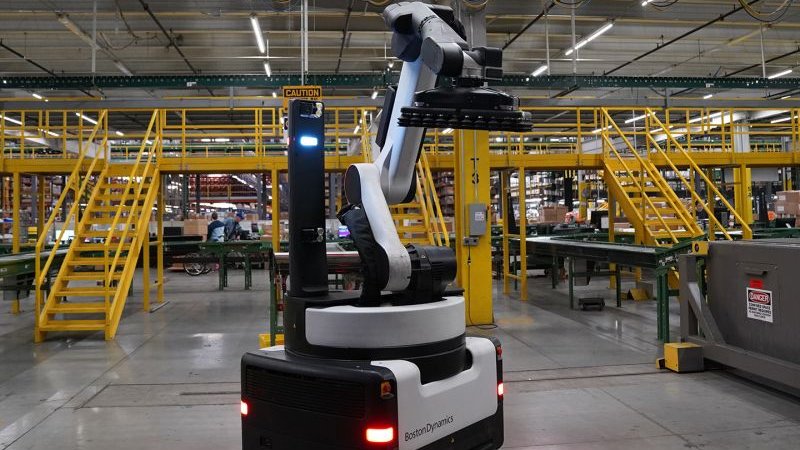
The fourth trend concerns people, because transport still depends on them, starting with drivers. Driver shortages are unlikely to disappear, but digitalisation can partly offset their impact by improving planning and reducing empty runs. Within logistics departments, roles focused on repetitive activities will become less prominent, while work will shift towards supervision and exception management. Instead of checking and validating routine shipments, professionals will deal with unusual cases, situations approaching compliance thresholds and problems identified by AI. Customers value the speed of artificial intelligence, but will continue to expect a human point of contact for more complex issues.
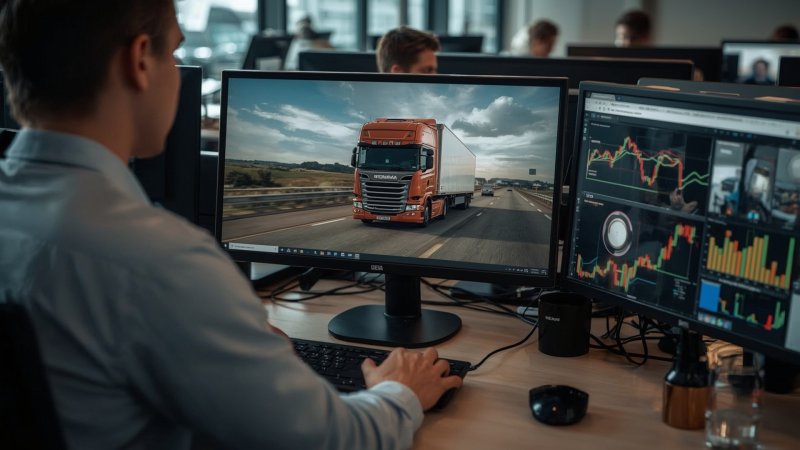
The fifth trend concerns connected data. Much of logistics' potential remains untapped in information that never leaves the systems in which it was generated. Warehouse operations, transport execution, loading bay and yard scheduling, real-time visibility and freight invoice auditing each hold part of the picture, but their systems rarely communicate. Connecting them would make it possible to ask AI to identify the five most likely problems of the day and receive an answer on which concrete action could be based, with AI agents acting as a common interface across fragmented systems. Integration will progress application by application, with each new connection potentially making subsequent integrations easier. Sharing more data, however, requires companies to know who they are sharing it with. Alongside AI-based controls, businesses will therefore need strong relationships with trusted partners across their networks, particularly as digital freight fraud becomes increasingly sophisticated, targeting systems, credentials and digital identities.
Antonio Illariuzzi