


Array ( [0] => 8 [1] => 39 )

Podcast K44

Cronaca

  • Autobotte senza patente né assicurazione a Canicattì

    Autobotte senza patente né assicurazione a Canicattì

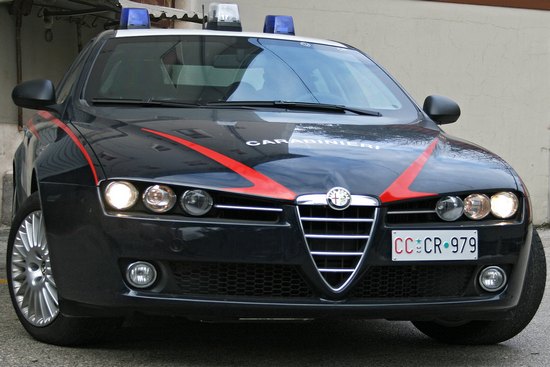
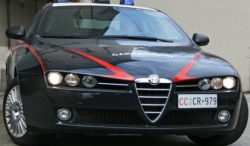
    I Carabinieri hanno fermato a Canicattì un'autobotte con 5mila litri d'acqua priva di documenti su provenienza e salubrità. Il conducente, 59 anni, aveva la patente revocata e il mezzo non era assicurato. Sanzioni per 8.466 euro, fermo e sequestro ai fini della confisca.

Transpotalk

Normativa

Mare

  • Il giallo del mercantile iraniano Alvan colpito a Bengasi

    Il giallo del mercantile iraniano Alvan colpito a Bengasi

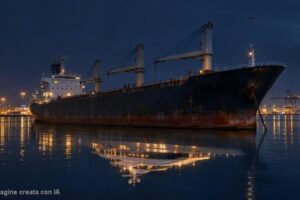
    L'Alvan, cargo dell'Irisl sotto sanzioni Usa e in rada a Bengasi dal 17 novembre 2026, sarebbe stato colpito nei giorni dei raid ucraini contro le navi russe. Il Corriere parla di componenti per droni destinati agli Haftar, ma carico, data e attacco restano senza conferme indipendenti.

Autotrasporto

  • Trasporti Pesanti punta sui 700 CV di Volvo

    Trasporti Pesanti punta sui 700 CV di Volvo

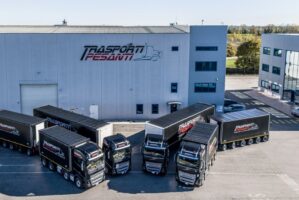
    Trasporti Pesanti ha preso in consegna a novembre 2026 trentacinque Volvo FH16 700 a quattro assi per i trasporti eccezionali. Secondo il direttore operativo Massimo Storti, i primi riscontri indicano consumi di gasolio inferiori in media dell’8%.

    A train that updates like a smartphone

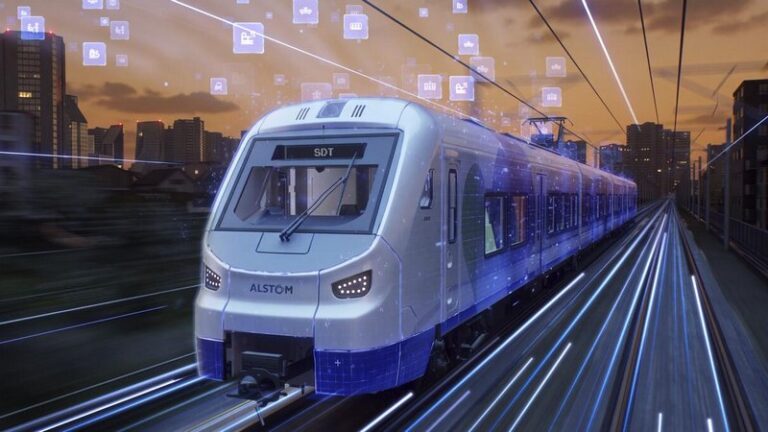
    Immagine: Alstom

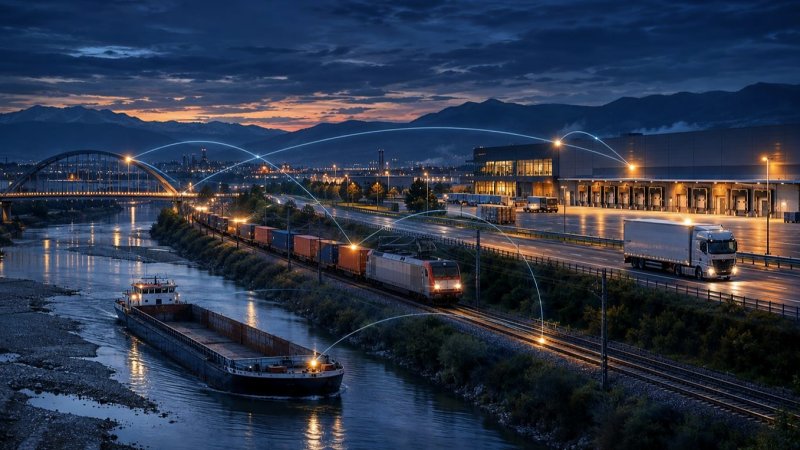
    A train entering service today essentially retains the same architecture until it is withdrawn thirty years later: the same software, the same functions and the same limitations fixed on the day it is delivered. This is the paradox Alstom says it wants to overcome with the Software Defined Train (SDT), an architecture presented at InnoTrans 2026 that aims to transform the train from an immutable physical asset into a digital platform capable of evolving throughout its service life. The inspiration – explicitly acknowledged by the company – comes from smartphones and software-defined vehicles: hardware and software, which have different life cycles, are separated instead of designing each subsystem, such as traction, air conditioning, passenger information and maintenance, as a closed unit with its own dedicated electronics. The SDT architecture has three overlapping layers: physical, abstraction and application, with sensors, communication systems and computing power shared across functions rather than duplicated within each subsystem. In practical terms, this means less wiring, fewer relays and less complexity to maintain over time.

    The issue is becoming increasingly important because of the pressure facing operators: they need to increase fleet capacity, improve reliability and contain costs throughout the rolling stock life cycle, while passenger expectations and available technologies change far more quickly than the useful life of a train. An architecture designed once and never updated therefore risks becoming technologically obsolete well before it becomes mechanically obsolete.

    Alstom is building the SDT system on three foundations that define what the concept actually involves, beyond the simple fact that software has already been used on trains for decades. The first is data-driven design, which breaks down silos between onboard systems, fleets and lineside infrastructure, supporting predictive maintenance and Digital Twin applications, virtual replicas of vehicles used for simulation and diagnostics. The second is digital continuity, connecting onboard systems, infrastructure and the cloud, processing data wherever this can be done most efficiently and enabling over-the-air service updates. The third, evolution, introduces new functions through software updates without requiring fresh homologation, thanks to a service-oriented architecture and built-in segregation mechanisms. It remains to be seen how this promise will fit with the certification timescales typical of the rail industry, which so far have been anything but rapid.

    Alstom places applications that already exist within the SDT ecosystem, including remote driving, the HealthHub condition-monitoring platform, Agate Media multimedia content and C-DAS driver advisory systems. Nor is the concept purely theoretical: in January 2026, Deutsche Bahn and Alstom tested the remote driving of suburban trains in a depot environment, providing a practical test bed for capabilities that the SDT architecture is intended to extend more broadly. However, the questions that accompany announcements of this kind remain open, particularly as the concept is being presented by the manufacturer itself without figures on costs, commercial introduction timescales or the specific train models involved. How much of this vision is already ready to be engineered at scale, and how much remains an architectural concept rather than something already deployed? For now, the January trial with Deutsche Bahn remains the most concrete evidence available.

    Antonio Illariuzzi

    © TrasportoEuropa - Riproduzione riservata - Foto di repertorio
    Segnalazioni, informazioni, comunicati, nonché rettifiche o precisazioni sugli articoli pubblicati vanno inviate a: redazione@trasportoeuropa.it


      Puoi commentare questo articolo nella pagina Facebook di TrasportoEuropa

      bottone newsletter piccolo Vuoi rimanere aggiornato sulle ultime novità sul trasporto e la logistica e non perderti neanche una notizia di TrasportoEuropa? Iscriviti alla nostra Newsletter con l'elenco ed i link di tutti gli articoli pubblicati nei giorni precedenti l'invio. Gratuita e NO SPAM!


    CONTENUTI SPONSORIZZATI


Videocast K44

Aereo

  • Rallenta il cargo aereo negli aeroporti italiani

    Rallenta il cargo aereo negli aeroporti italiani

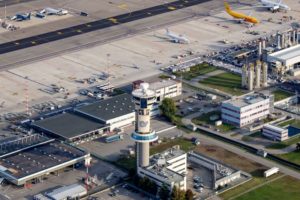
    Nel 2025 il traffico merci negli scali italiani è cresciuto dell'1,7%, a 1,271 milioni di tonnellate, ma nei primi nove mesi del 2026 è sceso dello 0,9%, con Malpensa a -6%. Lo rileva il rapporto Anama-Centro Studi Fedespedi sui bilanci delle 19 principali società di gestione.

Ferrovia

  • Olga ha finito il lavoro nella galleria del Brennero

    Olga ha finito il lavoro nella galleria del Brennero

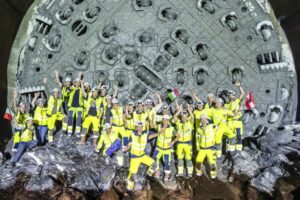
    Il 24 novembre 2026 la fresa Olga ha abbattuto il diaframma nel lotto H53 Pfons-Brennero, dopo circa 7,6 chilometri scavati nella galleria principale est. È l'ultima delle nove Tbm della Galleria di base del Brennero e il cantiere passa alle fasi di costruzione successive.

Persone

  • Federico Di Carlo eletto presidente di Assotir

    Federico Di Carlo eletto presidente di Assotir

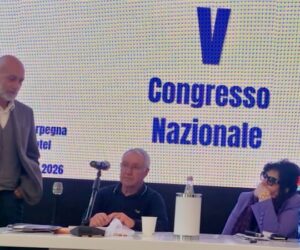
    Il 13 novembre 2026 l'Assemblea Nazionale ha eletto all'unanimità alla presidenza Federico Di Carlo, che succede ad Anna Vita Manigrasso. Tra le priorità il ripristino dei costi minimi della sicurezza e il contrasto all'intermediazione parassitaria.
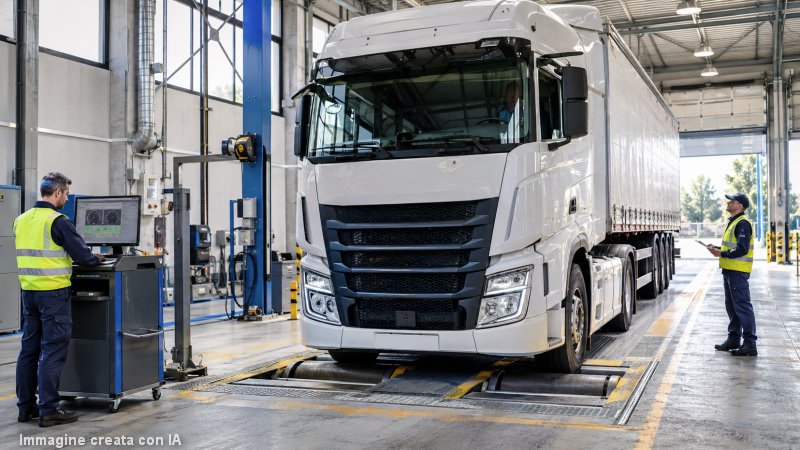
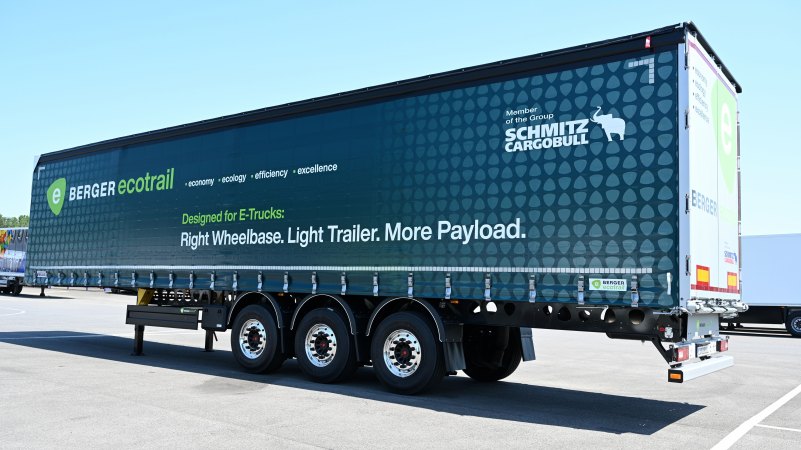
Semirimorchio Berger con assi avanzati per camion elettrici

TECNICA

Semirimorchio Berger con assi avanzati per camion elettrici
previous arrow
next arrow
Le vertenze sindacali agitano la filiera Gls

LOGISTICA

Le vertenze sindacali agitano la filiera Gls
previous arrow
next arrow
Caro gasolio, fino al 30 novembre le domande al Mit

ENERGIE

Caro gasolio, fino al 30 novembre le domande al Mit
previous arrow
next arrow
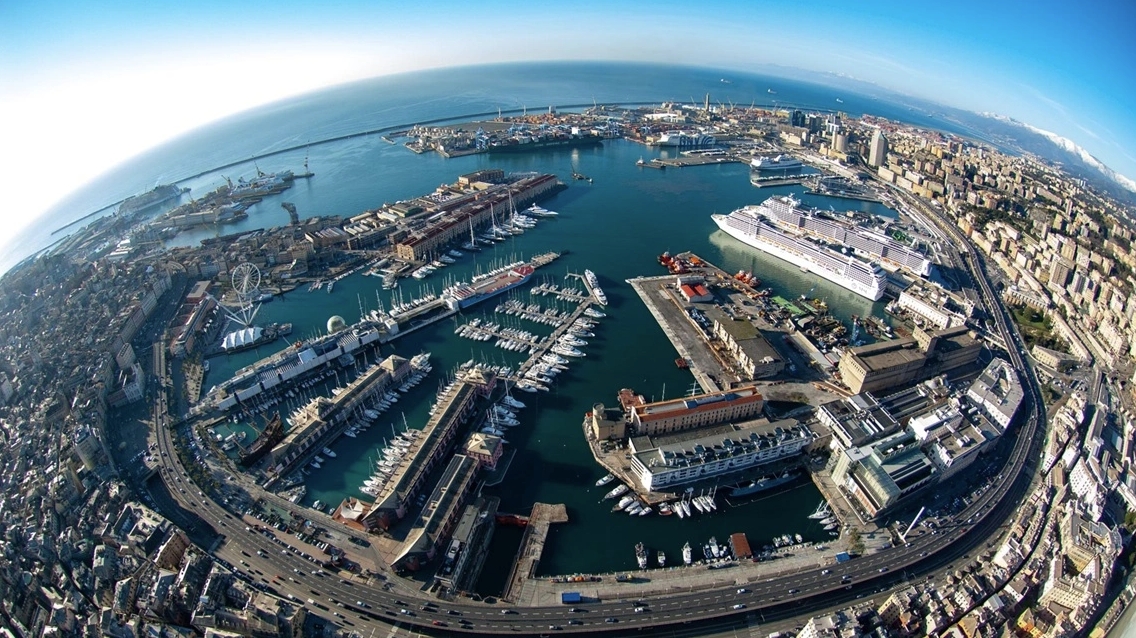
Als Battaglino porta lo sdoganamento a Genova

SERVIZI

Als Battaglino porta lo sdoganamento a Genova
previous arrow
next arrow