




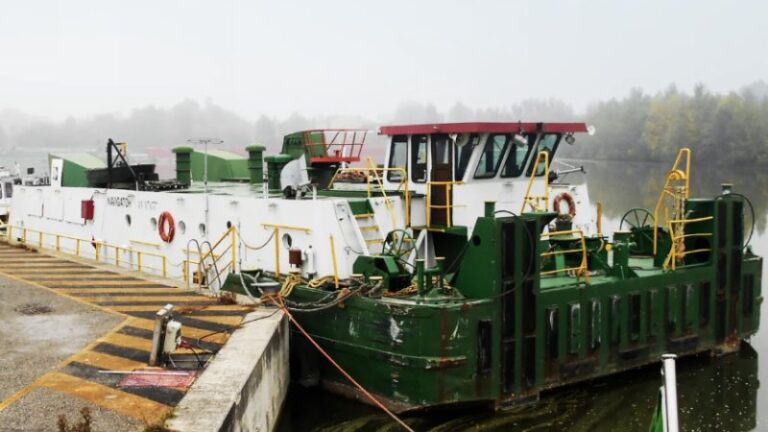
The Province of Mantua, Italy, has granted technical approval for the final design of the third phase in the development of the Valdaro port, dedicated to the container terminal serving the Po waterway. The project, worth approximately €24.5 million, marks a decisive step in completing Mantua’s intermodal hub. The approval, issued by decree of the provincial president, is a prerequisite for accessing future EU funding programmes.
According to the Province, the project is part of the EU initiative “Mantua East Lombardy Inland Port Development: Cross Corridors Link”, supported by the Connecting Europe Facility (CEF) and integrated into the Trans-European Transport Network (TEN-T). The goal is to strengthen links between the Mediterranean, Scandinavian–Mediterranean and Baltic–Adriatic corridors, enhancing the competitiveness and sustainability of freight flows across the Po Valley.
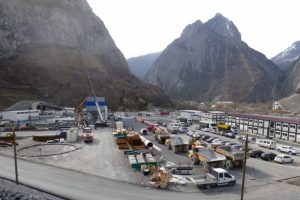
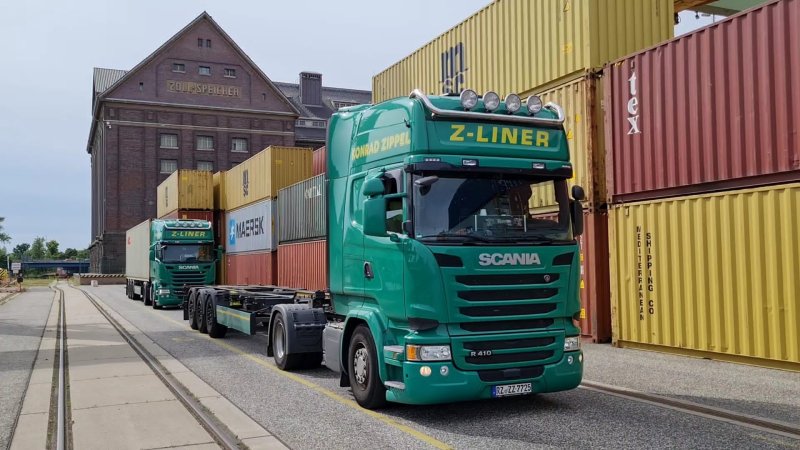
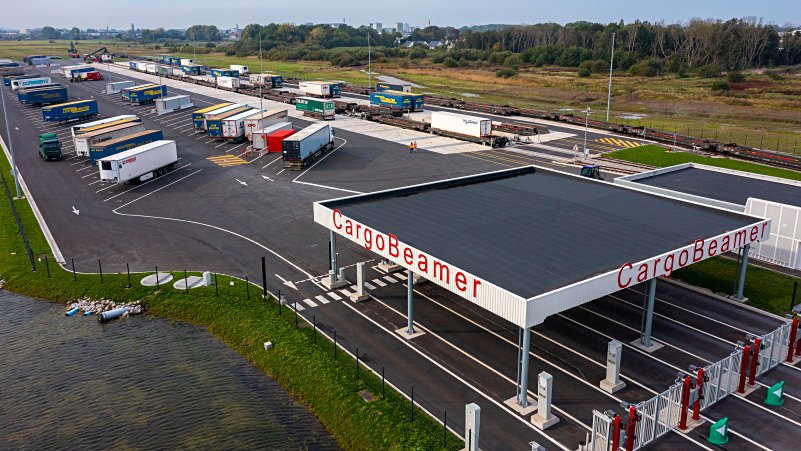
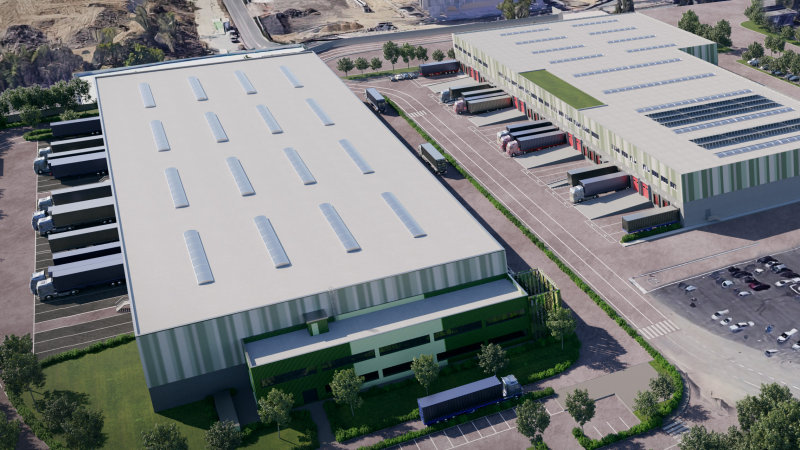
The third phase of the Valdaro port involves the construction of a container terminal covering around 160,000 square metres, with new rail tracks serving the quay and direct connections to the Frassine–Porto Valdaro line. The first two development stages, already managed by the Province, consolidated port and industrial activities, while this new expansion aims to ensure stable intermodal operations between rail and inland waterway transport.
The project’s financial structure is still being defined. The Province is considering several options, including participation in upcoming EU CEF calls and potential integration of resources within the framework of the agreement between the Municipality of Mantua and Autobrennero, currently under negotiation for the renewal of the A22 motorway concession. Meanwhile, the Lombardy Region is supporting Valdaro’s candidacy within the future Zona Logistica Semplificata (Simplified Logistics Zone), which will offer tax incentives to resident businesses and encourage new industrial investment.
From an infrastructure perspective, the Mantua–Valdaro port connects to the national network through both motorway and railway systems and benefits from a fully operational inland navigation route to the Adriatic for vessels up to 1,350 tonnes. The synergy between different transport modes remains one of the project’s main assets, designed to strengthen sustainable logistics and enhance the Mantua area’s competitiveness within northern Italy’s transport system.