







The Chinese fast-fashion group has announced the closure of its logistics hub in Stradella, Italy, with activities to be transferred to Poland. The decision, made official on 15 September 2025, entails the dismissal of 311 permanent employees and the non-renewal of 150 temporary contracts. After just three years of operations in Italy, the company will shift its activities to the Wrocław region, now firmly established as Shein’s new European hub.
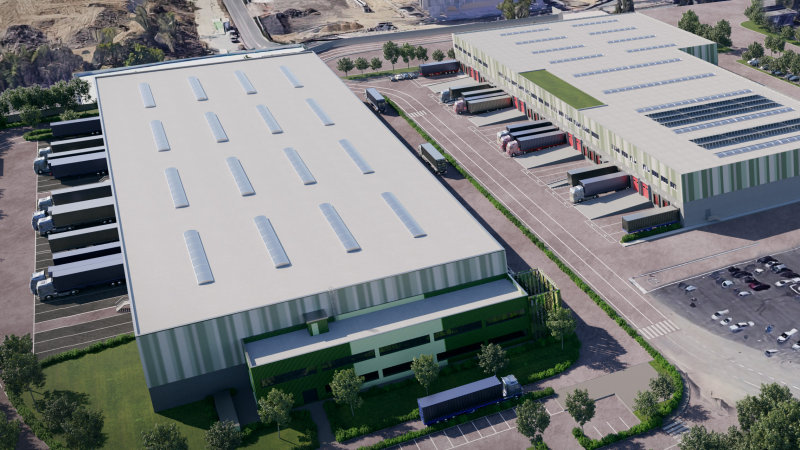
Shein entered Italy in 2022 by opening a distribution centre in Stradella through a partnership with Fiege Logistics. The site, previously managed by Zalando, was taken over under a three-year contract running until December 2025. The move was designed to cut delivery times for Italian and European customers, reducing shipping times from China of over two weeks to roughly one week thanks to local handling.
The site in Pavia was chosen for its proximity to major northern Italian motorways and the logistics network of the Po Valley, already attractive to global brands such as H&M and Zalando. At its peak, the centre employed around 500 workers, including 350 permanent staff and about 150 agency workers. Flows were managed in collaboration with couriers and operators serving Amazon, strengthening Stradella’s role as a key distribution node in Shein’s European network.
According to Shein and Fiege, the decision to concentrate operations in Poland was driven by efficiency. Eurostat data show that in 2023 the average labour cost in Italy stood at 29.8 euros per hour, compared with about 14 euros in Poland, a differential of more than two to one. Added to this is the infrastructure advantage of the Wrocław region, which offers direct connections to Germany and the Czech Republic and a modern logistics network that has enabled Shein’s rapid expansion.
Since 2022, the company has opened nine centres in the Wrocław metropolitan area, covering 391,000 square metres and creating over 3,000 jobs. The concentration of international operators has turned Lower Silesia into one of Europe’s most dynamic logistics markets, playing an increasingly important role in reshaping continental supply chains. Poland is now the country’s third-largest warehousing market and continues to attract investment from a range of e-commerce platforms.
For the Pavia area, the relocation represents a major setback. Stradella had become a hub for e-commerce logistics thanks to its position in the “Po Valley megalopolis” and the accessibility guaranteed by the motorway network. After H&M and Zalando, Shein had further strengthened the city’s image as a specialised hub. With the closure, more than 450 workers are losing their jobs and the local economy faces downsizing, with negative repercussions for transport, services and retail.
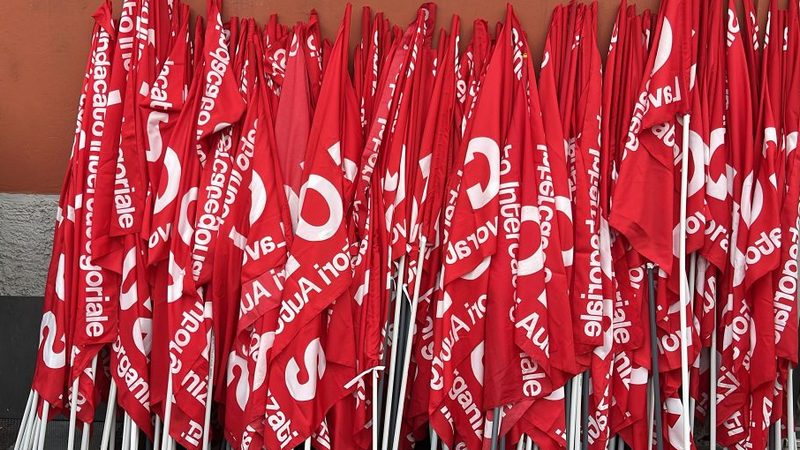
Mitigation measures appear limited. Around 60 employees may be relocated to Stradella (Zooplus) or Castelsangiovanni, while others have been offered transfers to Novara or Bologna with a relocation bonus of 6,000 euros. Take-up has been limited, highlighting the difficulty of moving a workforce deeply rooted in the local area. Trade unions have demanded more substantial severance packages and direct involvement from both Fiege and Shein to cushion the social impact.
The decision reflects a competitive environment dominated by cost reduction and faster delivery times. Shein’s business model, based on small-batch production and commercial cycles of just ten days, requires a highly flexible logistics network. In 2023, the company’s European sales exceeded 7.6 billion euros, with a net profit of 99.5 million, underlining the continent’s strategic importance. To support volumes of this scale, the logistics centre of gravity inevitably shifts towards regions with lower costs and immediate expansion capacity.
Fiege, which employs 5,500 people in Italy and manages 600,000 square metres of warehouses, must now reposition its local operations. During a meeting with the Pavia Prefecture, the company indicated it was open to the possibility of selling the Stradella site to new operators from 2026, although no firm plans are in place. Losing a client of Shein’s scale undermines the site’s attractiveness and raises the risk of a domino effect across the district.
Shein’s move reflects a broader trend of geographic reorganisation in European logistics chains. Countries such as Poland, with competitive costs and modern infrastructure, are consolidating their central role, while Italy risks falling behind if it fails to carve out strategies focused on high value-added segments. For logistics operators, the episode highlights the need to balance economic efficiency with territorial responsibility in a landscape where multinational decisions can redraw entire production ecosystems within a matter of months.