



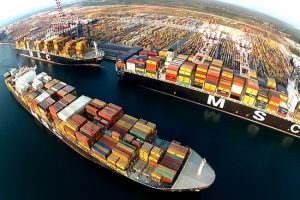
The logistics system of northern Europe is undergoing a period of significant turbulence. Global trade tensions, marked by a resurgence of tariff disputes, are intersecting with extreme weather phenomena such as heatwaves and droughts, which are severely affecting the continent’s main inland waterways, along with dockworkers' strikes. Adding to this is a surge in Asian exports to Europe, with part of the flow now being diverted from American ports. The outcome is a congested northern Europe, where ports such as Rotterdam, Hamburg and Antwerp are edging closer to operational breakdown.
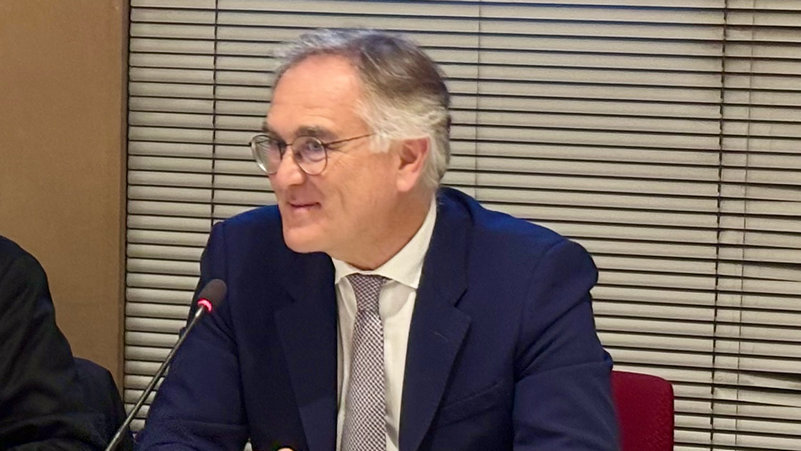
According to Paolo Pessina, president of Federagenti, the current situation, though not yet a full-blown crisis, clearly highlights the vulnerability of northern Europe’s logistics network. “We are witnessing a sharp decline in efficiency, with congestion affecting even large ocean vessels, which are now forced into extended waiting times.” It is a scenario reminiscent of the pandemic period, further compounded by a drastic drop in water levels in the Rhine and Elbe rivers, which is hampering inland navigation.
“All the major hubs are saturated—worse than during the pandemic,” explains the president of Federagenti. “In Rotterdam, container barges are waiting up to 77 hours just to be loaded. Major industries, which have for years operated with minimal inventory, now risk production stoppages due to a logistics system that is breaking down.” In this context, the competitive edge of Mediterranean ports, which are closer to Asian markets and less congested, has the potential to come to the fore.
“This is a unique opportunity that could become structural if the Suez Canal returns to full operation and we enter a phase of de-escalation in the regions now shaken by geopolitical crises,” says Pessina. He adds, “If not now, then when should we make the most of the extra three days of navigation required to reach northern Europe? When else can we prove that the centre of gravity in global trade is shifting southwards?”
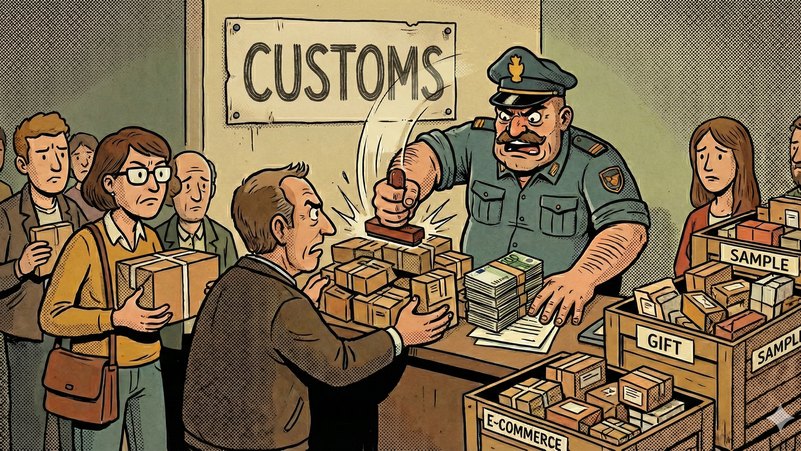
However, seizing this opportunity requires immediate change, particularly in terms of governance and administrative efficiency. “We can no longer afford to waste time. Ports need operational governance now—not in a few years. The logistics system must be freed from the bureaucratic constraints that are choking it, even by using fast-track tools such as decrees or administrative circulars. If we lose this challenge, it will be entirely our fault: because of endless debates about the appointment of port presidents, a reform that never comes, and customs and administrative procedures that everyone claims to want to simplify but no one actually addresses.”
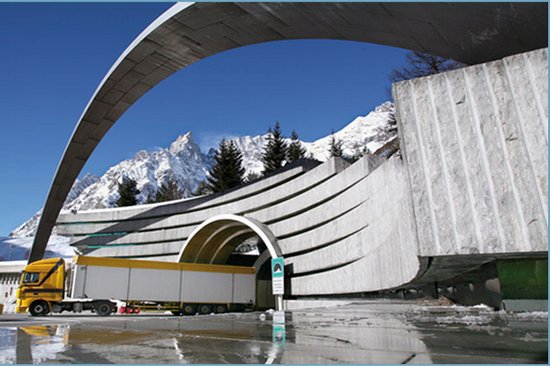
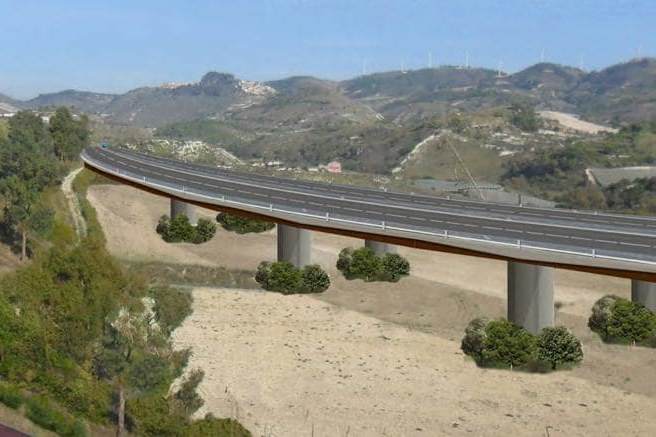
The stakes are high, especially since Italy is already moving on the infrastructure front, with projects such as the new outer dam of the Port of Genoa, the Third Pass railway link, and plans to modernise the motorway network. “Bold decisions are needed now to untie infrastructure knots and ensure that the new works can actually be used as they are completed.”