







The freight transport, warehousing and logistics sector continues to play a key role in Italy’s economic recovery, with strong job growth forecasts confirming its strategic importance. The sector now represents a concrete employment opportunity for thousands, yet also exposes long-standing structural weaknesses that threaten to slow progress. For the summer quarter alone, the sector expects to make 99,400 new hires, with 37,350 positions available in June. The demand is heavily concentrated in operational and specialist roles, with warehouse operatives for goods handling and industrial-vehicle drivers topping the list, accounting for nearly half of all openings.
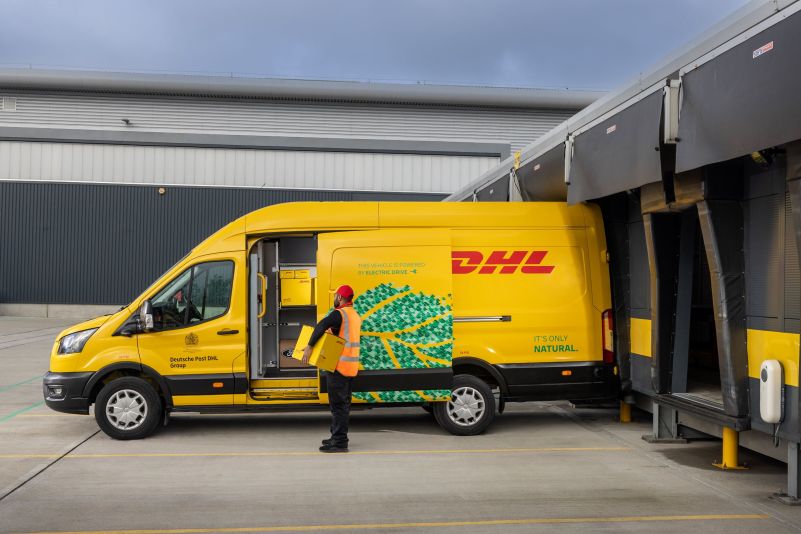
The demand for delivery staff also remains high, particularly for company-vehicle couriers and van drivers, which reflects the continued expansion of e-commerce and home delivery services. At the same time, more qualified roles are emerging, including positions in warehouse logistics management and transport and distribution system coordination. These roles highlight the sector’s ongoing technological evolution and the growing need for skilled professionals.
Overall, the structure of employment in the sector reflects its predominantly hands-on nature. Plant and machine operators make up a large proportion of expected hires, followed closely by unskilled workers. Clerical, technical, and sales roles represent a smaller share, while intellectual and scientific positions are almost marginal. This composition shows that the sector largely offers opportunities to those with practical and technical skills, while also pointing to a pressing need for higher qualifications to keep pace with innovation.
Despite the abundance of job openings, the sector is facing increasing difficulties in finding suitable candidates. Drivers remain the most difficult to recruit, with over half of the required profiles proving hard to fill, mostly due to a lack of applicants and inadequate preparation. Experience requirements further complicate matters, as more than half of these roles demand specific work history. Similar difficulties are reported in recruiting unskilled delivery staff, where a third of profiles are hard to source. Logistics administration roles are also affected, with a notable share requiring candidates with prior experience.
Education-related challenges are equally significant. Upper-secondary courses in transport and logistics show a particularly high mismatch between demand and available talent, while vocational qualifications in logistics systems and services also show notable gaps. This misalignment between education and job market needs undermines the sector’s ability to remain competitive in an increasingly complex and tech-driven environment.
Foreign labour continues to play a crucial role, covering around thirty percent of total hires in the sector. Age demographics vary depending on the role, with younger candidates under thirty making up a significant portion of hires in logistics administration and unskilled positions, but having more limited access to vehicle-driving roles, likely due to experience and licensing requirements.
Skills expectations are evolving rapidly, even in traditionally manual roles. Logistics administration staff are increasingly required to apply creative and innovative solutions and take on leadership responsibilities. Similarly, drivers and other operational workers are also expected to demonstrate flexibility and the ability to manage others, pointing to a broader transformation of job profiles across the industry.
Education levels reflect the sector’s practical orientation. For drivers and unskilled staff, vocational diplomas and even compulsory schooling remain common entry points. However, for logistics administration roles, secondary education is now the dominant requirement, followed by vocational qualifications. This signals a shift toward greater formal education for administrative tasks and a gradual rise in overall skill levels required across the sector.