




Array ( [0] => 8 [1] => 40 )

Podcast K44

Cronaca

  • Camionista spara a un collega con pistola scacciacani

    Camionista spara a un collega con pistola scacciacani

    Un camionista di 42 anni è stato denunciato dalla Polizia Stradale di Modena per minaccia aggravata dopo aver esploso un colpo con una pistola scacciacani contro un collega lungo l'A1, al culmine di una lite tra autotrasportatori nei pressi di Modena Nord.

Transpotalk

Normativa

Mare

  • Lo sciopero d’agosto ha rallentato sei porti tedeschi

    Lo sciopero d’agosto ha rallentato sei porti tedeschi

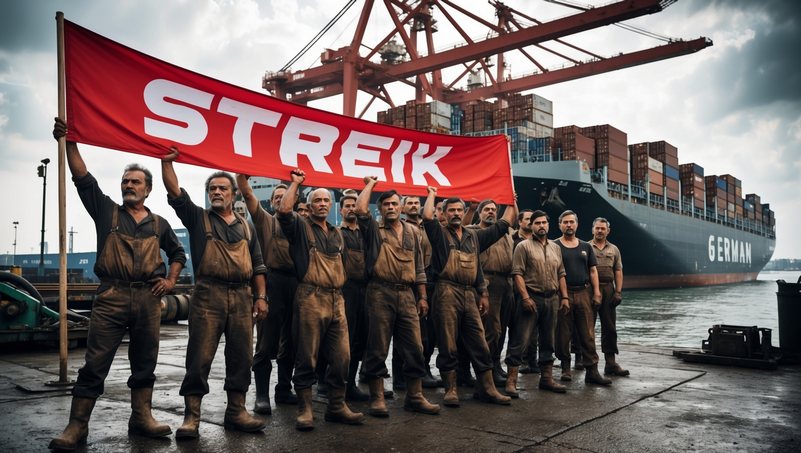
    Le 24 ore di astensione nei sei principali scali marittimi tedeschi si sono chiuse il 18 agosto 2026 con circa cinquemila adesioni, quai la metà dei lavoratori interessati. L'associazione datoriale Zds definisce l'azione sproporzionata e convoca la terza tornata negoziale ad Amburgo per il 24 e 25 agosto.

Autotrasporto

  • Un Volvo FH speciale per i cent’anni della Casa svedese

    Un Volvo FH speciale per i cent’anni della Casa svedese

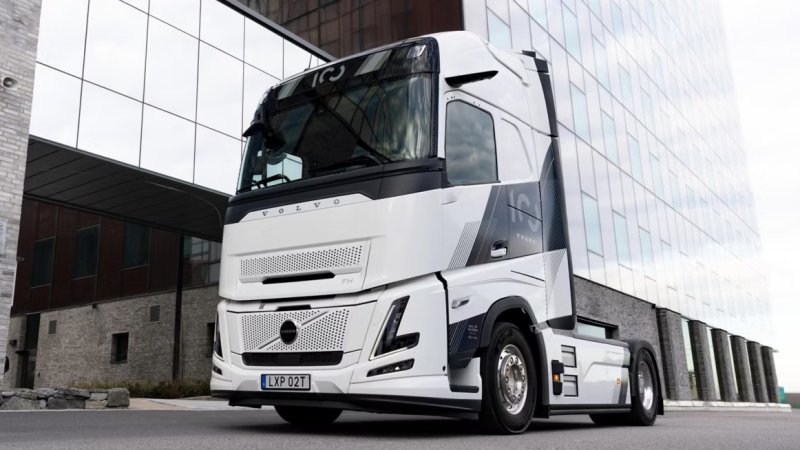
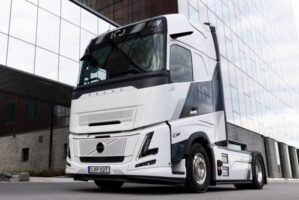
    Volvo Trucks ha annunciato ad agosto 2026 l'edizione speciale 100 Year per i modelli FH Aero, FH, FH16 Aero e FH16, con interni ridisegnati e dettagli esclusivi dedicati al centenario dell'azienda. Si potrà ordinare da settembre 2026 in gran parte delle configurazioni disponibili.

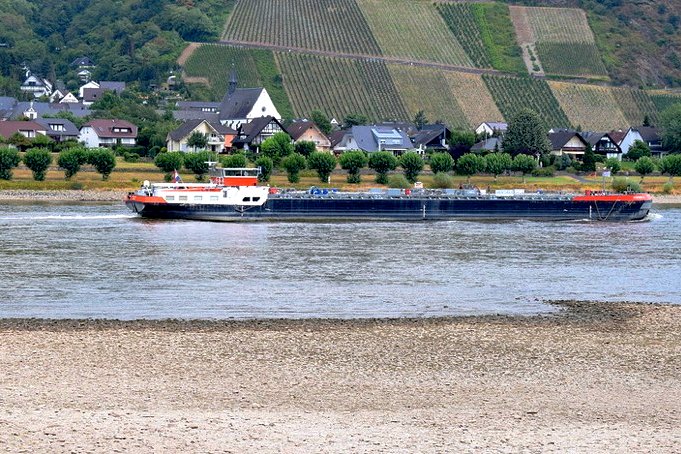
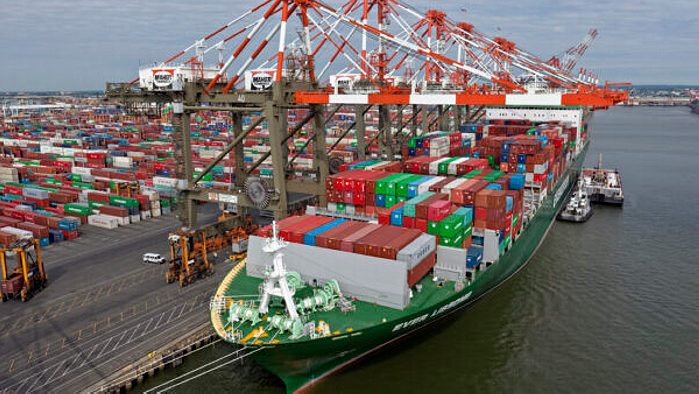
    Rising risks of extreme weather for logistics

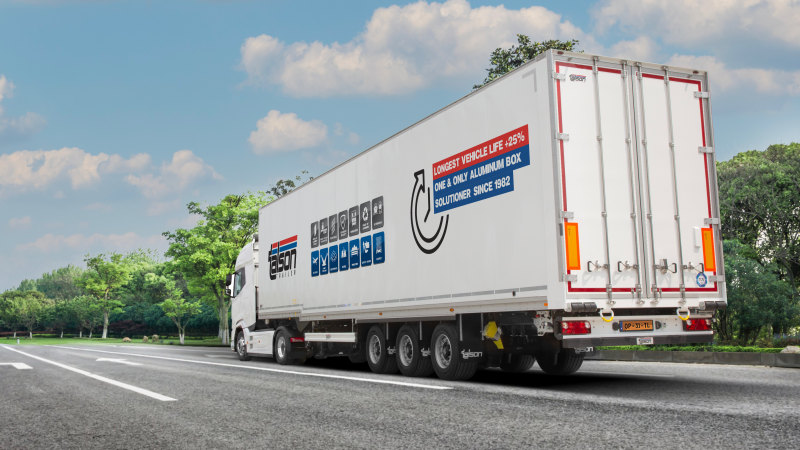
    Illustrazione: TrasportoEuropa

    In its 2024 annual report, Everstream Analytics identifies climate change as the leading cause of supply chain disruptions in logistics for the coming year, surpassing environmental regulations and the ongoing U.S.-China trade war. From extreme cold, which alone causes $3.5 billion in annual losses in the United States, to scorching summers with risks of floods and storms, the increasingly frequent adverse weather conditions are causing costs and delays that ripple through the entire supply chain.

    Analysts predict that weather events such as hurricanes, winter storms, wildfires, and floods will be the primary causes of supply chain interruptions this year. The report, created using a combination of human intelligence and artificial intelligence, highlights the example of the Panama Canal, which is experiencing its worst drought since 1950, forcing a reduction in the number of ships that can pass through daily.

    Additional threats come from hurricanes, storms, and flash floods. For example, data from the United States on recent natural disasters are telling. Hurricane Ian, which hit California in September 2022, caused a 75% drop in shipments compared to previous weeks, with an average increase in delivery times of 2.5 days. In Texas, from February 11 to 20, 2021, an intense cold wave caused an average delivery delay of nearly two days. A year later, in Buffalo, the Christmas freeze from December 21 to 26 led to a 40% drop in shipments compared to previous weeks. The wildfires of June 2023 in Canada caused poor visibility as far as Chicago and New York, delaying deliveries by up to two days.

    "Climate change is a significant challenge that the logistics sector is already facing,” explains Andrea Franceschelli, Vice President of the logistics company Due Torri. “Extreme situations can jeopardize the supply chain, so it's crucial to be prepared. On one hand, it is important to invest in sustainable technologies; on the other, it is necessary to develop emergency plans to manage supply chain disruptions."

    During the summer, the risk of floods is particularly concerning as it can damage roads, bridges, railways, warehouses, and other crucial infrastructure for logistics. Extreme heat can also compromise perishable goods such as fruits, vegetables, pharmaceuticals, and dairy products, which are highly sensitive to temperature fluctuations. Maintaining a controlled temperature throughout the supply chain thus becomes a fundamental challenge to ensure these products reach consumers in optimal condition. Even maritime transport is at risk during the summer months due to tropical cyclones that can close ports and make navigation dangerous.

    According to Forbes, extreme weather events like heavy rain, snowstorms, and strong winds account for an average of 23% of all truck transport delays in the United States, costing the industry nearly $3.5 billion annually. Additional consequences include repair costs for damage to infrastructure and goods, rising insurance premiums, and lost sales due to delivery delays. Lastly, extreme weather can create hazardous working conditions for logistics workers, increasing the risk of accidents and injuries.

    In response, experts from Due Torri offer five tips to prepare for the challenges of climate change in the freight transport sector: optimize routes; improve weather forecasting tools; promote sustainability; strengthen infrastructure and warehouses; and develop detailed contingency plans.


    © TrasportoEuropa - Riproduzione riservata - Foto di repertorio
    Segnalazioni, informazioni, comunicati, nonché rettifiche o precisazioni sugli articoli pubblicati vanno inviate a: redazione@trasportoeuropa.it


      Puoi commentare questo articolo nella pagina Facebook di TrasportoEuropa

      bottone newsletter piccolo Vuoi rimanere aggiornato sulle ultime novità sul trasporto e la logistica e non perderti neanche una notizia di TrasportoEuropa? Iscriviti alla nostra Newsletter con l'elenco ed i link di tutti gli articoli pubblicati nei giorni precedenti l'invio. Gratuita e NO SPAM!


    CONTENUTI SPONSORIZZATI


Videocast K44

Aereo

  • Rallenta la crescita a luglio 2026 dei noli aerei

    Rallenta la crescita a luglio 2026 dei noli aerei

    I noli spot del trasporto aereo delle merci sono saliti del 28% su base annua a luglio, a 3,12 dollari per kg, ma il ritmo di crescita rallenta per il secondo mese consecutivo. Secondo Xeneta il mercato affronta una seconda metà del 2026 più debole, con pochi segnali di stagione …

Ferrovia

  • FS Logistix avvia la sperimentazione dell’Hvo

    FS Logistix avvia la sperimentazione dell’Hvo

    Il biocarburante Hvo alimenta due locomotive in prova in Mercitalia Rail, i locomotori di manovra di Santo Stefano Magra e Valdellora e ventuno veicoli industriali Euro VI. Nel 2025 ne sono stati consumati 19mila litri, con circa 40 tonnellate di anidride carbonica evitate rispetto al gasolio fossile.

Persone

  • L’autotrasporto perde Maurizio Longo

    L’autotrasporto perde Maurizio Longo

    Dopo una lunga malattia, il 11 agosto 2026 è morto Maurizio Longo, segretario generale di Trasportounito, associazione dell’autotrasporto di cui è stato anche tra i fondatori dopo anni di lavoro nella Fita Cna.
Un Volvo FH speciale per i cent’anni della Casa svedese

TECNICA

Un Volvo FH speciale per i cent’anni della Casa svedese
previous arrow
next arrow
Bruxelles approva l’acquisizione del gruppo InPost

LOGISTICA

Bruxelles approva l’acquisizione del gruppo InPost
previous arrow
next arrow
Perché il gasolio corre mentre il greggio frena

ENERGIE

Perché il gasolio corre mentre il greggio frena
previous arrow
next arrow
Un agente IA di Trimble dedicato alla logistica

SERVIZI

Un agente IA di Trimble dedicato alla logistica
previous arrow
next arrow