




Array ( [0] => 8 [1] => 41 )

Podcast K44

Cronaca

  • Controllo straordinario sui camion in Germania sull’A2

    Controllo straordinario sui camion in Germania sull’A2

    La Polizia autostradale tedesca di Bielefeld ha controllato circa 130 veicoli industriali sulle aree di servizio Lipperland Nord e Sud, tra Bielefeld e Herford. Contestate 87 infrazioni, di cui 35 su tempi di guida e riposo. La Dogana ha avviato ulteriori verifiche su lavoro irregolare e salario minimo.

Transpotalk

Normativa

Mare

  • Pesanti attacchi a navi cargo nel Mar Nero

    Pesanti attacchi a navi cargo nel Mar Nero

    Droni hanno colpito due navi cargo nel Mar Nero, il giorno dopo l'affondamento della Royad Mammadov, diretta a Ravenna, al largo della Romania. Una nave è affondata e il suo equipaggio risulta disperso, mentre i 18 marinai dell'altra sono stati salvati dopo un incendio a bordo.

Autotrasporto

  • Si può rendere il cronotachigrafo intelligente veramente intelligente?

    Si può rendere il cronotachigrafo intelligente veramente intelligente?

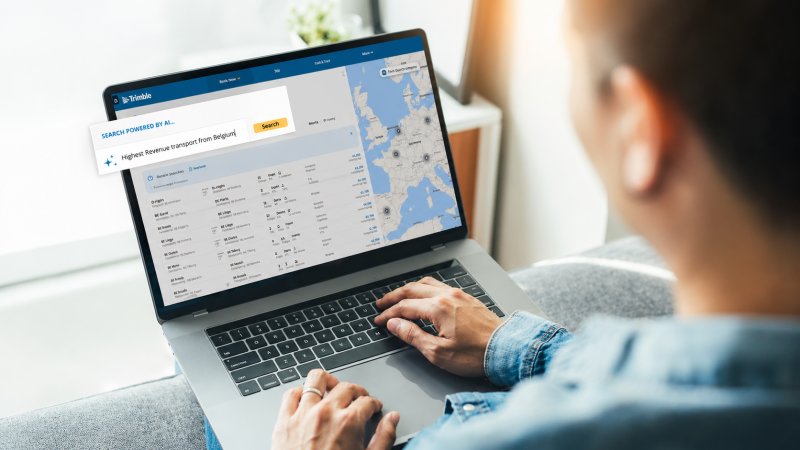
    Secondo Ineo, geolocalizzazione e scarico dati da remoto non bastano a rendere “intelligente” il cronotachigrafo: l'interfaccia è la stessa da vent'anni e le giustificazioni delle deroghe restano sulla carta. Serve un'applicazione certificata e standard minimi di utilizzo a carico dei costruttori.

    Are We at a turning point for container shipping rates?

    Illustrazione: TrasportoEuropa

    In July 2024, the maritime container shipping market reached a crucial turning point, according to analysts from the Norwegian research company Xeneta. They explain that long-term freight rates on major fronthaul trades have begun to show signs of recovery, while short-term rates are decreasing after a period of sharp increases. The Xeneta Global Xsi, an indicator covering all long-term contracts valid in the market, recorded a 2.5% increase, reaching 151.5 points. Notably, the underlying Xsi index for exports from the Far East, which includes major fronthaul trades to Europe and the United States, saw a significant increase of 12.6%, rising to 178.8 points.

    This change occurred alongside the softening of short-term rates on major routes from the Far East to the United States and Europe. After significant hikes in the preceding months, short-term rates have started to decline, indicating a possible market stabilization.

    Emily Stausbøll, a senior analyst at Xeneta, stated, "Long-term container shipping rates remained restrained despite substantial increases in the short-term market between May and June, but this is now changing. For example, while short-term rates on the route from the Far East to the U.S. West Coast increased by over 140% between April 30 and July 1, the long-term market rose by 20%. However, since July 1, short-term rates to the U.S. West Coast have decreased by 12%, just as the long-term market shows signs of recovery."

    The rise in long-term rates and the decline in short-term rates suggest a narrowing gap between the two markets, a delicate situation ahead of future contractual negotiations between shippers and carriers. Stausbøll added, "This is a crucial moment for the market. The big question is: How high will long-term rates go before the growth is halted by a decline in the spot market? Shippers hope the spot market will collapse quickly, while carriers will do everything possible to keep short-term rates elevated for as long as possible."

    Market dynamics could shift rapidly, impacting contractual negotiations: "Just a few weeks ago, when spot rates were still climbing, carriers felt confident about long-term contract negotiations, but market sentiment can change very quickly," said Stausbøll. "Shippers would not want to see the long-term market rise, as 2024 has already been a tough year in the spot market. However, they might be cautiously optimistic as there seems to be more room for a reduction in spot rates than for a further increase in long-term rates."

    Stausbøll also highlighted that ocean supply chains remain under pressure and potential disruptions are on the horizon: "Deviations are still in place in the Red Sea, meaning most container ships continue to sail around the Cape of Good Hope. There is the threat of labor actions at ports on the U.S. East Coast and Gulf, while a Trump presidency could prompt companies to ship goods quickly to avoid new tariffs on Chinese imports. There is also the risk of new geopolitical incidents, as we are seeing in Bangladesh, where civil unrest is affecting port operations."

    In conclusion, Stausbøll warned that "it would not take much to push ocean supply chains back into a critical situation, causing spot rates to rise again, with consequences for the long-term market as well."


    © TrasportoEuropa - Riproduzione riservata - Foto di repertorio
    Segnalazioni, informazioni, comunicati, nonché rettifiche o precisazioni sugli articoli pubblicati vanno inviate a: redazione@trasportoeuropa.it


      Puoi commentare questo articolo nella pagina Facebook di TrasportoEuropa

      bottone newsletter piccolo Vuoi rimanere aggiornato sulle ultime novità sul trasporto e la logistica e non perderti neanche una notizia di TrasportoEuropa? Iscriviti alla nostra Newsletter con l'elenco ed i link di tutti gli articoli pubblicati nei giorni precedenti l'invio. Gratuita e NO SPAM!


    CONTENUTI SPONSORIZZATI


Videocast K44

Aereo

  • La domanda di cargo aereo supera la capacità ad agosto 2026

    La domanda di cargo aereo supera la capacità ad agosto 2026

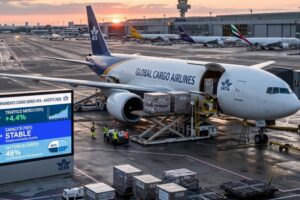
    Le rilevazioni della Iata ad agosto 2026 mostrano che il trasporto merci aereo mondiale è cresciuto del 4,4% su base annua mentre la capacità è sostanzialmente stabile, portando il riempimento al 46%. Guidano Nord America e Asia-Pacifico, arretrano i corridoi mediorientali e il cherosene sale a 157 dollari al barile.

Ferrovia

  • Duisport potenzia i collegamenti ferroviari da Trieste

    Duisport potenzia i collegamenti ferroviari da Trieste

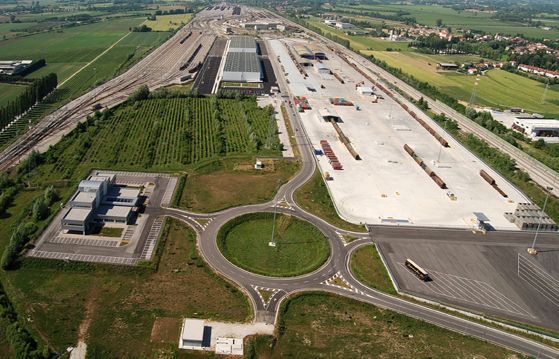
    Duisport porta a quattro le circolazioni settimanali sia sul servizio intermodale Cervignano-Duisburg sia sulla navetta tra il terminal Plt Hhla Italy e l'Interporto di Cervignano. Il servizio, gestito da +.intermodal si basa su un modello neutrale e prevede l'estensione a Wels, in Austria, dal prossimo anno.

Persone

  • L’autotrasporto veronese perde Francesco Corsi

    L’autotrasporto veronese perde Francesco Corsi

    Il 26 settembre 2026 è morto nella sua casa di Colognola ai Colli l’autotrasportare veneto Francesco Corsi. Cominciò nel 1960 con un Leoncino e l’omonima azienda Corsi, specializzata nel trasporto logistica a temperatura controllata e insediata nell'interporto Quadrante Europa di Verona.
La sospensione Saf Fusion toglie 120 chilogrammi al tridem

TECNICA

La sospensione Saf Fusion toglie 120 chilogrammi al tridem
previous arrow
next arrow
Logistica del fresco di Prologis nel Mercato Alimentare di Milano

LOGISTICA

Logistica del fresco di Prologis nel Mercato Alimentare di Milano
previous arrow
next arrow
Scoperta a Venezia una frode sui carburanti

ENERGIE

Scoperta a Venezia una frode sui carburanti
previous arrow
next arrow
Sanilog avvia una nuova campagna oncologica

SERVIZI

Sanilog avvia una nuova campagna oncologica
previous arrow
next arrow