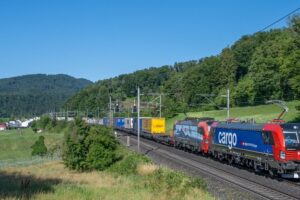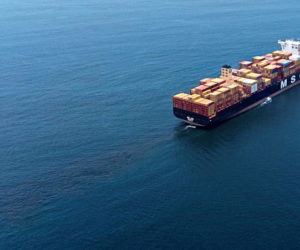





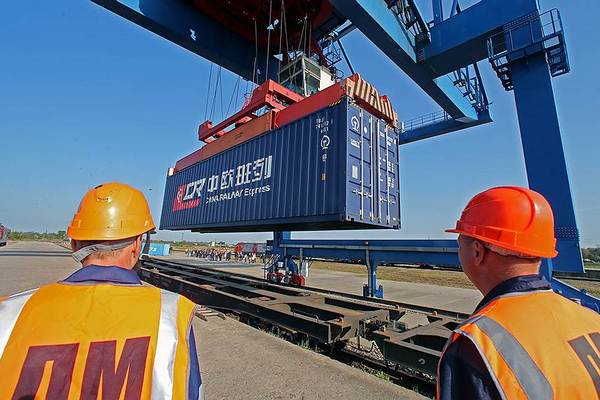
The so-called Chinese “railway Suez Canal” project is emerging as one of the most significant Eurasian infrastructure initiatives, reshaping trade flows between Asia and Europe. At its centre lies Chongqing, transformed into a manufacturing and logistics hub capable of supporting an intercontinental rail network that offers an alternative to traditional maritime routes and Russian transit corridors.
The rail freight system between China and Europe is structured around three main routes. The northern corridor, which crosses Russia, Belarus and Poland to reach Duisburg, has contracted due to geopolitical tensions stemming from the war in Ukraine. As a result, the Middle Corridor has gained prominence, linking Chongqing with Europe via Kazakhstan, the Caspian Sea, Azerbaijan, Georgia and Turkey. Since 2024, a southern route has also been operational, the Asean Express, connecting Southeast Asia with southwest China, already generating traffic worth 1.9 billion yuan in its first months of operation.
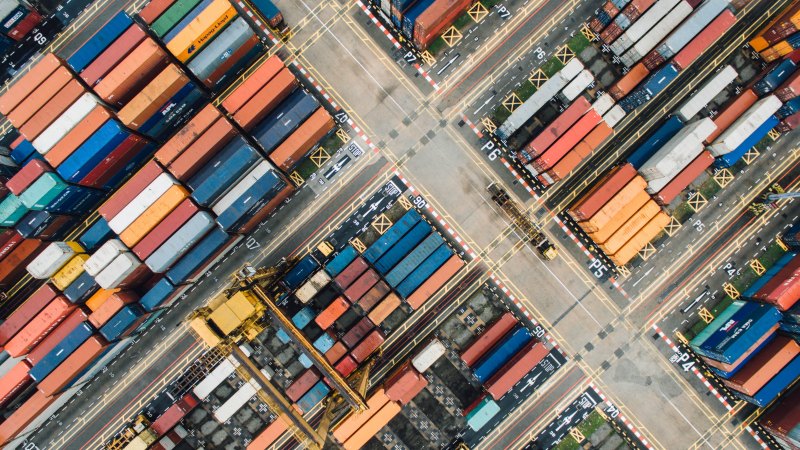
The performance of these services is remarkable. The Asean Express covers the Vietnam-Europe route in 19 days, cutting transit times by 50% compared with sea freight. Direct Chongqing-Duisburg services take less than two weeks, against the 30–40 days required by maritime shipping. In November 2024 the China-Europe Railway Express passed the milestone of 100,000 trains, moving over 11 million teu with a combined value of 420 billion dollars. In 2024 alone, 19,000 trains were operated, carrying 2.07 million containers and posting double-digit annual growth.
Chongqing’s role extends beyond that of a railway hub. The city has become a major industrial base, producing one-third of the world’s laptops, 90% of global network terminals and around one-eighth of all Chinese cars. Electronics output grew by 13.9% in 2023, while the automotive sector is accelerating its shift towards electric vehicles, with more than 20.5 billion yuan (around 2.45 billion euros) invested in new battery plants by companies such as Byd. Logistics integration is supported by the Tuanjiecun Railway Container Center and dedicated free trade zones, which enable the refurbishment of imported machinery for re-export to Southeast Asia.
Special focus is being placed on the Middle Corridor, viewed as the true geopolitical alternative to Russian routes. Freight volumes there rose from 586,000 tonnes in 2021 to more than 4.4 million in 2024. The Baku-Tbilisi-Kars railway, in operation since 2017, has been upgraded to boost capacity from 6.5 to 17 million tonnes annually by 2034. The entry of China Railway Container Transport Corporation into the Middle Corridor joint venture, formalised in August 2025, brings new capital and expertise to the project. Meanwhile, an agreement signed in July 2025 between Kazakhstan and Turkey has introduced regular train services, streamlined customs procedures and digitalised documentation to accelerate cargo flows.
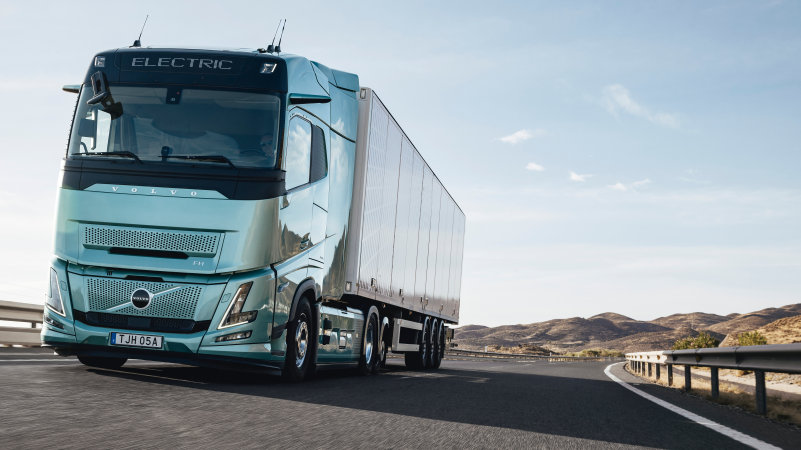
On the technology front, the rail network is adopting digital tools such as the 95306 platform, which enables real-time tracking, blockchain-based document management and predictive maintenance of trains. Environmental initiatives are also underway, including the hydrogen corridor along the Western Land-Sea Corridor, with dedicated refuelling stations and the rollout of fuel-cell trucks. Collaboration with Singapore’s Yige New Energy Group aims to integrate smart logistics solutions with green energy systems.
Future prospects, however, remain shaped by several constraints. Bottlenecks at the Khorgos and Brest-Małaszewicze border crossings continue to slow flows and weigh on growth forecasts. Costs are still higher than maritime transport, making government subsidies essential. Even so, the planned expansion of the Chongqing Hub Port Industrial Park, with investments of 181.3 billion yuan (about 21.7 billion euros) and more than 218 active projects, underlines China’s determination to consolidate the city’s role as a Eurasian manufacturing and logistics platform.