









Swissport has reached an operational threshold of one hundred tonnes of cargo handled per day at Milan Malpensa, multiplying initial volumes by more than ten compared with the start-up phase. Five months ago, daily traffic stood at around nine tonnes, a figure that highlights both the speed of growth and the cargo market’s absorption capacity at the Lombardy hub.
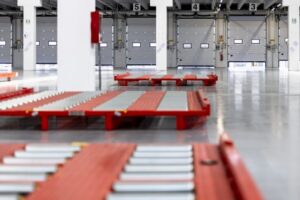
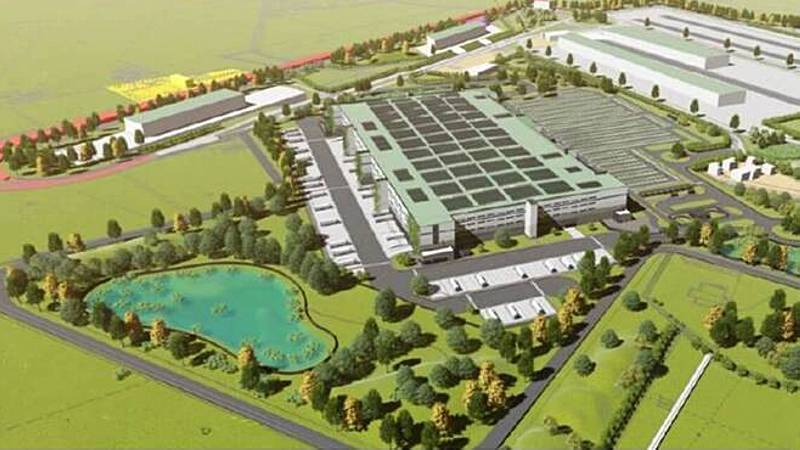
Operations are carried out within the Wtc Malpensa complex, a facility that has been recently refurbished and upgraded to meet the required standards in terms of security, process quality and customs procedures. The area has been configured to support growing cargo flows and ensure operational continuity, enabling a steady increase in volumes over a relatively short timeframe.
Swissport has been active at the Lombardy airport since June 2025 and is currently focused on cargo handling. The company operates a second-line warehouse of around 4,000 square metres in the municipality of Lonate Pozzolo, in close proximity to the airport perimeter. In the initial phase, operations centred on import handling, pre-customs clearance activities and the distribution of goods to express couriers and last-mile operators. In a second phase, already under way, Swissport is extending its services to export flows and general cargo, with the aim of broadening its customer portfolio and serving a growing number of freight forwarders and air cargo operators active at Malpensa and across the Italian market.
The increase in volumes from 9 to 100 tonnes per day in about five months is part of a long-term strategy that identifies Malpensa as a priority hub for air cargo in Italy. This choice is consistent with the airport’s role, which accounts for around 60% of national air freight, and with the growing demand for logistics capacity from airlines and the wider cargo supply chain.
According to Marina Bottelli, Swissport’s Country manager for Italy, the growth recorded over such a short period is linked to the application of global operating standards, advanced cargo management processes and an organisation capable of sustaining high operating rhythms. In this context, Malpensa is confirmed as a key node for European logistics flows.