






TIR corridor Turkey–Syria reopens
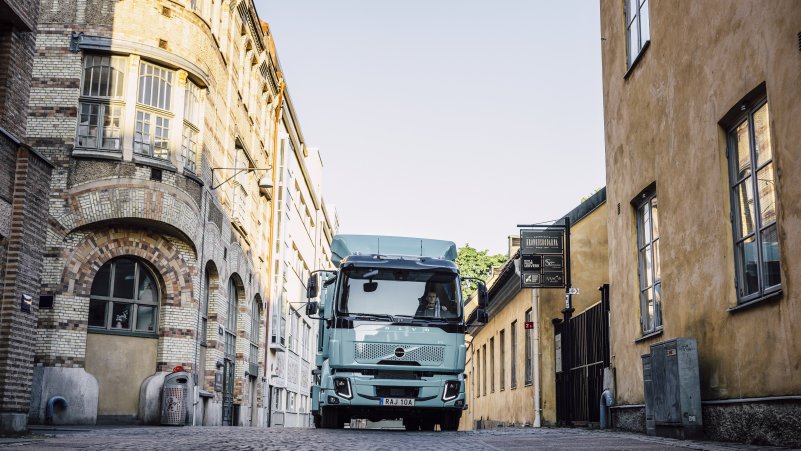
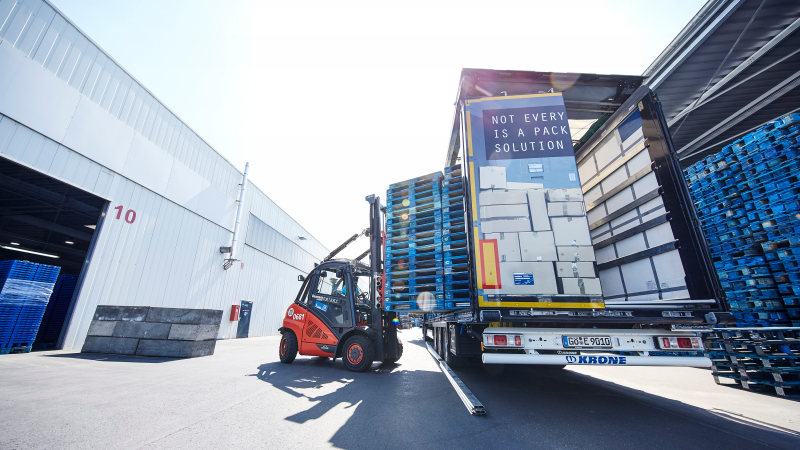
International road transport under the TIR regime from Turkey to Gulf markets via Syria has officially resumed after years of interruption, marking a significant development for regional logistics. According to Prosperity on 17 December 2025, the first trucks successfully crossed Syrian territory, confirming the operational restoration of this strategic corridor. The initial transits show that the TIR system can once again be used to ensure safe, reliable and efficient passage along the route. The reopening of the Syrian corridor follows the earlier reactivation of the Iraqi route and helps rebuild a vital land connection between Turkey and the countries of the Gulf Cooperation Council. Operations via Syria are also strategic for links to neighbouring markets, strengthening the continuity of the overland network between Turkey and the Middle East. Operational statements were released by Turkish logistics operators and by the IRU’s general delegate in Istanbul, highlighting the role of the TIR system in restoring the corridor.
My Freighter lands in Serbia
My Freighter has signed an interline agreement with Air Serbia to expand global connectivity and its cargo service offering, the Uzbek carrier said in a LinkedIn post. The agreement aims to strengthen Tashkent’s role as a logistics hub between east and west by leveraging Air Serbia’s network, which directly connects Belgrade with more than 60 destinations worldwide. According to the company, the partnership provides broader network access, improved routing options and more efficient cargo transport solutions across Europe and beyond. The deal with Air Serbia is part of an expansion strategy that this year has seen My Freighter sign similar agreements with Biman Bangladesh Airlines, Icelandair Cargo and Aeromexico, creating new corridors between Central Asia, South Asia, Europe and North America. Operationally, Air Serbia operates a passenger fleet of 29 aircraft, while My Freighter flies eight Boeing 767-300F aircraft, seven conversions and one factory-built, supplemented in March by a Boeing 757-200PF2. The Uzbek carrier also operates a passenger fleet of seven Airbus A319, A320 and A321 aircraft, supporting an integrated cargo and passenger strategy.
Containers for hydrogen
In Austria, the H2Tainer has been developed as a container for the efficient and safe transport of hydrogen by rail and road for green steel production. The project was carried out by rail technology company Innofreight together with steel producer Voestalpine Tubulars, in collaboration with research centre Hycenta. Each stackable 40-foot container can carry up to 475 kg of hydrogen at a maximum storage pressure of 500 bar, enabling seamless transfer between rail and road modes. The H2Tainer uses up to 48 seamless stainless steel tubes with Vahyper threaded connections, produced at the Kindberg plant. The system is designed for a service life of more than 20 years. The container is currently undergoing approval and is expected to be available in summer 2026.
Robots in Lidl warehouses
Lidl is rolling out robotics on a permanent basis to automate container unloading at its European import warehouses, adopting Boston Dynamics’ Stretch robot as a standard solution. The decision follows a pilot phase launched in September, the results of which led to the shift from testing to regular operations. The systems are designed for automated unloading of maritime containers and use a robotic arm with vacuum grippers and computer vision to ensure continuity in warehouse material flows. By mid-2026, a total of 22 Stretch robots will be installed at the company’s import centres. Deployments will cover the Netherlands, Belgium, Austria and Spain, where the robots will provide continuous support for goods handling operations. Lidl says automation is a strategic pillar in the evolution of its logistics processes and that technology selection is based on rapid testing and targeted partnerships. Alongside Boston Dynamics, the group works with other technology providers to identify solutions aligned with its operational needs.
South Africa probes maritime cartel
South Africa’s antitrust authority has referred to a tribunal a price-fixing complaint against local subsidiaries of some of the world’s leading maritime shipping groups, including Maersk and CMA CGM. According to a statement from the Competition Commission, the companies allegedly coordinated generalised tariff increases charged to customers for cargo transport between South Africa and Asia and between the country and West Africa in the period 2008–2018, in breach of national competition law. The investigation found that identical rate increases were applied on routes from Shanghai, Ningbo and Shekou to the port of Durban and on services from Durban to Hong Kong and from Qingdao to Durban. In addition to Maersk and CMA CGM, the proceedings involve local units of MSC, Pacific International Lines, Mitsui OSK Lines, COSCO Shipping Holdings, Evergreen Marine and K Line Shipping. According to the authority’s report, dismantling the alleged cartel could reduce imported goods prices and South African export costs, with knock-on effects for the competitiveness of the national logistics system.
Private concession at the port of Durban
Transnet has signed a concession agreement with a company led by Filipino billionaire Enrique Razon to expand the main container terminal at the port of Durban, Africa’s largest container port. The deal marks South Africa’s first port privatisation and comes two years after International Container Terminal Services was awarded the right to acquire almost 50% of Pier 2 and operate it for 25 years. The planned investment amounts to around 11 billion rand, equivalent to 647 million dollars. According to Transnet, the transaction is the most significant attempt to introduce private expertise to revitalise state-owned ports which, according to the World Bank, rank among the least efficient globally. Pier 2 handles about 70% of Durban’s total port volumes and more than 40% of South Africa’s containers. The introduction of new technologies and equipment is expected to increase terminal capacity by 40% to 2.8 million TEU and improve crane productivity from 18 to 28 moves per hour, doubling vessel operating hours to 120. Transnet forecasts lower logistics costs and improved service quality, with positive effects on market access and the attraction of new volumes. Finance minister Enoch Godongwana has also granted an exemption from the Public Finance Management Act for the full duration of the concession, reducing administrative burdens that could slow project implementation.
Extended opening hours for the Tenda tunnel
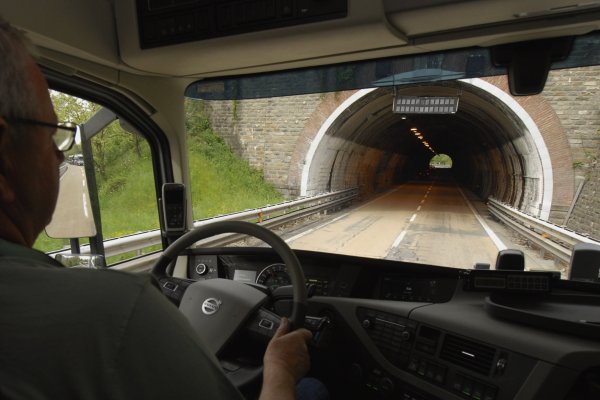
The Italy–France intergovernmental commission, meeting on 17 December 2025 at Anas’ Piedmont headquarters, has approved extended opening hours for the Tenda tunnel at weekends and on public holidays. From Saturday 20 December until Sunday 11 January 2026 inclusive, the tunnel will be open from 6.00 to 23.00 on Saturdays, Sundays and public holidays. On weekdays, the continuous opening window from 6.00 to 21.00 remains in place. Under the commission’s decision, the first Italy-to-France transit cycle will be at 6.00 and the last at 22.30 on public holidays, while in the opposite direction the first cycle will be at 6.15 and the last at 22.45. On weekdays, the final cycle from Italy to France is scheduled at 20.30 and from France to Italy at 20.45. The new timetable has been introduced to facilitate travel during the winter holiday period. The bilateral committee will reconvene in January 2026 to define opening hours from Monday 12 January onwards.
Space Logistic’s new logistics hub
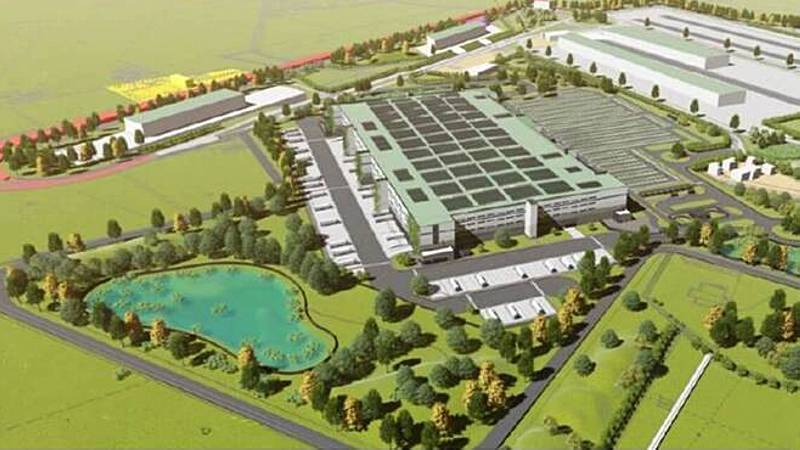
Space Logistic, a logistics and transport company headquartered in Salgareda in the province of Treviso, has leased a warehouse in Cortenuova, near Bergamo, from GiMaTrans. The deal was reported by CBRE, which acted as advisor. The newly built property covers an area of 10,000 square metres and has been designed to latest-generation standards to support Space Logistic’s operational growth. The new hub offers expansion potential up to 22,000 square metres, a clear height of 12 metres and 21 loading bays. The facility also features a gatehouse staffed 12 hours a day and a security service operating 24/7.