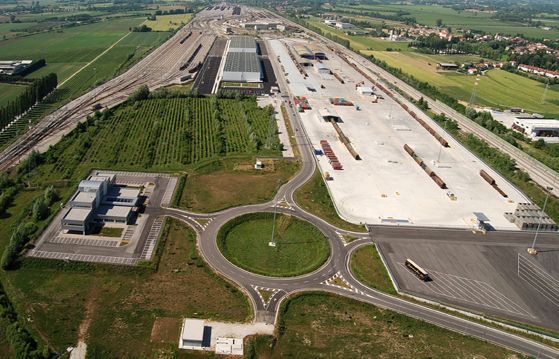
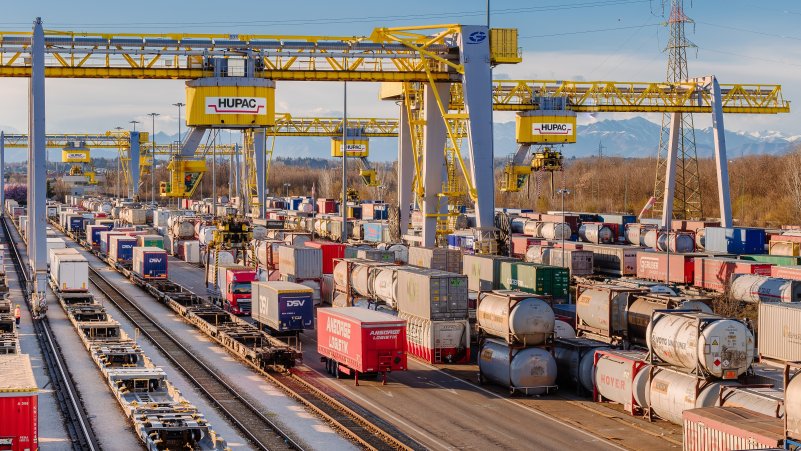





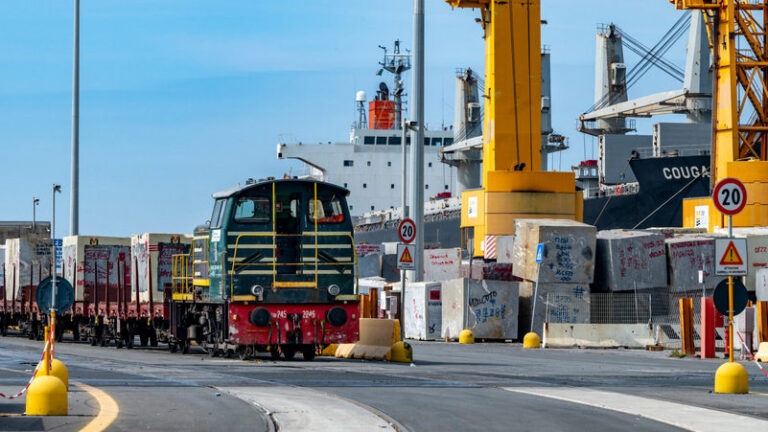
Fhp Group announced on 30 December 2025 the integration process between its Italian subsidiaries Lotras and Cfi Intermodal and the establishment of Fhp Intermodal, a new company wholly owned by the Group and dedicated to the management of rail intermodal activities. The transaction brings under a single structure four intermodal terminals located in Incoronata in Puglia, Piedimonte San Germano in Lazio, Villa Selva in Emilia-Romagna and Fiorenzuola d’Arda, also in Emilia-Romagna, supporting the distribution of goods between rail and road transport.
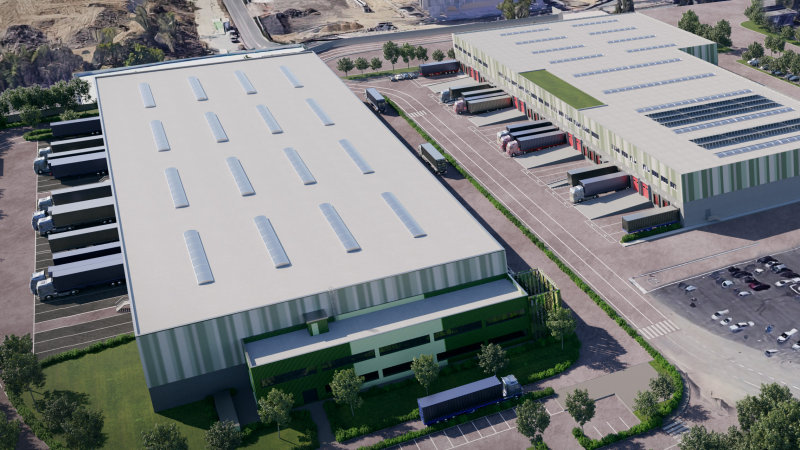
The new company will be operational from 1 January 2026 and will be led by chief executive Angelo Accomando. Fhp Intermodal will be able to rely on more than 500,000 square metres of operational areas, crossed by over 17 kilometres of tracks with direct access to the national rail network, positioning itself as one of the Group’s main intermodal platforms.
The facilities include more than 30,000 square metres of covered warehouses and a dedicated fleet of transport and handling equipment, enabling the company to offer space and services for the efficient management of logistics flows entrusted by the Group’s customers. The operating setup is designed to support both domestic and international traffic.
Fhp Intermodal’s activity portfolio includes integrated logistics solutions ranging from turnkey intermodal transport, both door-to-door and terminal-to-terminal, to conventional transport of liquid food bulk, as well as the management of rail wagon fleets. The integration of the expertise of Lotras and Cfi Intermodal aims to strengthen the offer across the entire rail value chain. The board of directors of the new company is composed of Umberto Masucci as chairman, Armando De Girolamo as vice-chairman, Angelo Accomando as chief executive, and Paolo Cornetto and Marco Mantoan as directors.
Fhp Group, backed by F2i Sgr, Italy’s leading independent infrastructure fund manager, is the country’s leading port-rail operator in the bulk sector. The group is active in the Upper Adriatic and Tyrrhenian regions with nine terminals in six ports and four intermodal areas across the Peninsula. It handles around 10 million tonnes of goods a year, supported by more than 1,000 employees, and covers over 6 million rail kilometres in Europe thanks to a fleet of 50 locomotives and more than 1,000 rail wagons.