




Array ( [0] => 8 [1] => 40 )

Podcast K44

Cronaca

  • Carabinieri scoprono 387 kg di hashish su camion a Capua

    Carabinieri scoprono 387 kg di hashish su camion a Capua

    Un autoarticolato con targa spagnola partito da Barcellona e diretto nel Casertano è stato fermato dai carabinieri al casello di Capua lungo l’A1. Nel semirimorchio, tra l’ortofrutta i militi hanno scoperto 387 kg di hashish confezionati in panetti.

Normativa

Mare

  • Iran dichiara Hormuz aperto ma navi restano ferme

    Iran dichiara Hormuz aperto ma navi restano ferme

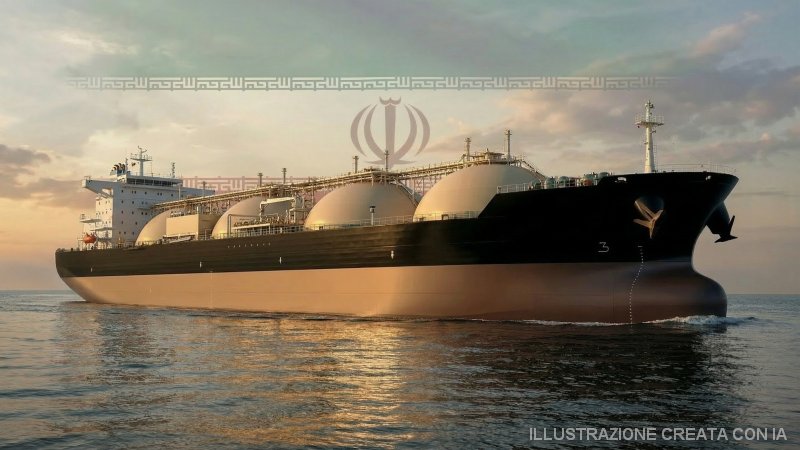
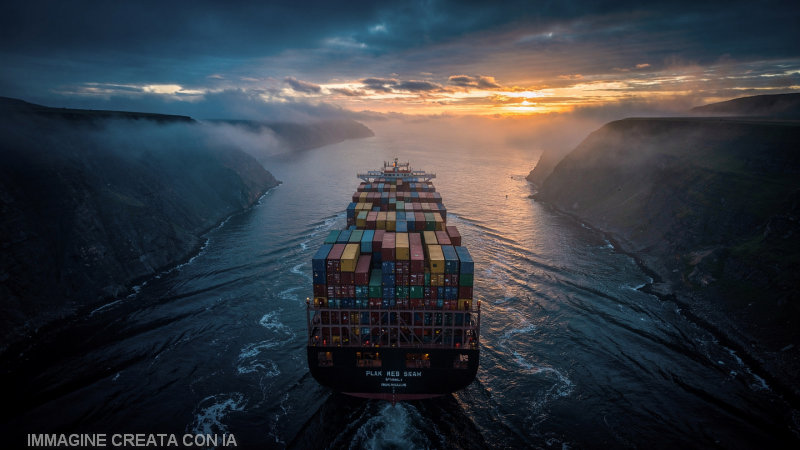
    Il 5 marzo 2026 Teheran ha annunciato la riapertura parziale dello Stretto di Hormuz, escludendo però le navi statunitensi e israeliane. Le compagnie assicurative non hanno revocato il blocco delle polizze e gli armatori restano alla fonda: il traffico commerciale è ancora fermo all'1% dei livelli normali.

Autotrasporto

    US tariffs remain in limbo for another month

    US tariffs continue to navigate the sea of uncertainty following the Washington Court of Appeals decision deeming most of them illegal. According to the judges, whilst it is true that the law confers significant authority upon the president to undertake a range of actions in response to a declared national emergency, none of these actions explicitly include the power to impose tariffs, duties or similar measures, nor the power to tax. The issue revolves around the Emergency Economic Powers Act of 1977, which allows the president to bypass Congressional voting in cases of "unusual and extraordinary" threats. However, the Court clarifies that this does not grant the president unlimited authority to impose tariffs.

    The judges have nonetheless decided that all current tariffs remain in force until 14th October 2025, to permit an appeal to the Supreme Court, which will have the final say on the matter. Attorney General Pam Bondi has already announced the appeal. Should the Supreme Court judges confirm their Appeal Court colleagues' verdict, not only will the vast majority of tariffs be annulled, but the trade agreements drawn up by the United States with various countries (including the European Union) under the threat of tariffs will be undermined.

    There is no doubt, however, regarding the abolition of the de minimis rule, namely the exemption from tariffs for packages valued up to 800 dollars, which came into effect on 29th August 2025. All previously exempt shipments now require formal customs declaration. This includes providing the 10-digit Harmonised Tariff Schedule of the United States (HTSUS) code for each product, necessary for correct tariff application, representing an enormous increase in administrative burden. The new regime differentiates between postal and commercial shipments.

    For international postal shipments, a six-month transitional system has been introduced (until 28th February 2026), during which senders can choose to pay a flat-rate "specific duty" ranging from 80 to 200 dollars per item (depending on the IEEPA tariff rate of the country of origin) or the standard "ad valorem" duty based on product value. The creation of this temporary fixed-rate system is an implicit admission that the global postal system is technologically and operationally incapable of managing the immediate transition to a complete ad valorem tariff regime. This is therefore a stopgap measure to prevent total collapse of the postal channel, revealing a critical vulnerability in global logistics infrastructure that the de minimis rule had masked.

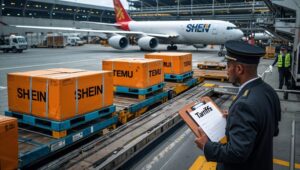
    The impact has been immediate: following the suspension on 2nd May, valid only for China and Hong Kong, the volume of low-value packages from the region collapsed by 85 per cent, from approximately 4 million to 600,000 daily shipments. E-commerce companies such as Temu and Shein must either absorb the new costs, eroding their thin margins, or pass them on to consumers, undermining their main value proposition based on ultra-low prices. However, US consumers are also penalised (and perhaps primarily so), having to pay higher prices for imported goods whilst waiting longer for them.

    A 2024 document from the National Bureau of Economic Research concluded that de minimis was a "pro-poor trade policy". The study found that shipments to the lowest-income postal codes were subject to the lowest average tariffs before the suspension, a balance that now reverses, with their tariff burden expected to rise to nearly 12 per cent. The elimination of the exemption is estimated to reduce consumer welfare by up to 13 billion dollars annually, with low-income and minority consumers bearing a disproportionate share of this cost.

    Companies based in the United States that source domestically or already pay tariffs on wholesale imports should benefit instead. By removing the cost advantage of foreign direct sellers, the policy aims to make American manufacturers and retailers more competitive. Companies operating in US Foreign-Trade Zones will also benefit, as the policy eliminates a disparity that previously encouraged shifting activities overseas.

    The abolition of de minimis is having repercussions on the logistics supply chain as well. Postal companies in many countries have temporarily suspended parcel shipments to the United States. Instead, major express carriers such as FedEx, UPS and DHL, which already have robust customs brokerage infrastructures, are better equipped, but at a cost to senders. These carriers are now responsible for collecting duties and submitting formal declarations for all low-value shipments. In response, they have introduced new charges and increased existing ones. For instance, both UPS and FedEx increased their international processing fees before the suspension. Senders now face a range of potential new charges, including those for declaration preparation, brokerage and goods processing, which can add substantial costs beyond the duties themselves.

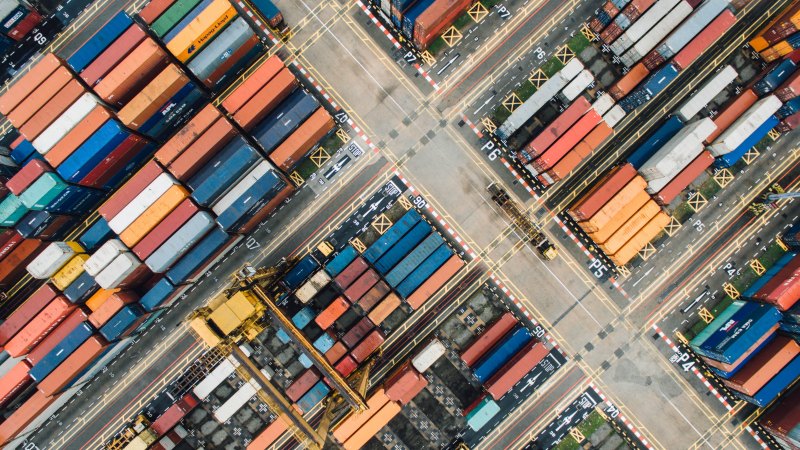
    This means that the previous model of shipping individual packages by air is becoming economically unsustainable for many products, favouring cargo consolidation. Companies are now incentivised to shift from air parcels to maritime bulk transport, importing goods into the United States in containers. This requires a transition to pre-positioning inventory in US warehouses or utilising third-party logistics providers for domestic distribution. This model allows duties to be calculated on the lower production cost rather than the higher retail price, thus reducing the effective duty rate.

    The new regime also imposes enormous demands on data and technology. Each shipment now requires accurate HTS code classification, value verification and electronic declaration submission. Manual workflows are no longer scalable to handle the massive volume of previously exempt packages. This creates an urgent need to invest in automated compliance solutions, including software for HTS classification, duty calculation and streamlined customs declaration submission.


    © TrasportoEuropa - Riproduzione riservata - Foto di repertorio
    Segnalazioni, informazioni, comunicati, nonché rettifiche o precisazioni sugli articoli pubblicati vanno inviate a: redazione@trasportoeuropa.it


      Puoi commentare questo articolo nella pagina Facebook di TrasportoEuropa

      bottone newsletter piccolo Vuoi rimanere aggiornato sulle ultime novità sul trasporto e la logistica e non perderti neanche una notizia di TrasportoEuropa? Iscriviti alla nostra Newsletter con l'elenco ed i link di tutti gli articoli pubblicati nei giorni precedenti l'invio. Gratuita e NO SPAM!


    CONTENUTI SPONSORIZZATI


Videocast K44

Aereo

  • Corte UE conferma le condanne sul cartello trasporto aereo

    Corte UE conferma le condanne sul cartello trasporto aereo

    La Corte di Giustizia dell'Unione Europea ha reso definitive le sanzioni per tredici compagnie aeree sul cartello nel trasporto delle merci, per un totale di circa 776 milioni di euro. La sentenza chiude un contenzioso durato oltre quindici anni e rafforza i poteri della Commissione Europea sui cartelli globali.

Ferrovia

  • Treno intermodale Fhp tra Nord Italia e Catania

    Treno intermodale Fhp tra Nord Italia e Catania

    Fhp Intermodal avvierà a marzo 2026 un nuovo servizio ferroviario multicliente tra Nord Italia, Bari e Catania. Il collegamento prevede inizialmente due coppie di treni settimanali con possibile aumento a tre e punta a rafforzare i flussi logistici intermodali da e verso la Sicilia.

Persone

  • Torello perde il fondatore Nicola

    Torello perde il fondatore Nicola

    La mattina del 5 marzo 2026, la società di trasporto campana Torello ha annunciato la morte del fondatore Nicola Torello. Ha trasformato un’impresa individuale in una multinazionale europea.
Geotab presenta la dash cam GO Focus Pro con IA

TECNICA

Geotab presenta la dash cam GO Focus Pro con IA
Viberti presenta Evo, semirimorchio centinato competitivo

TECNICA

Viberti presenta Evo, semirimorchio centinato competitivo
Camion ad accesso laterale integrale per la distribuzione

TECNICA

Camion ad accesso laterale integrale per la distribuzione
Nuovo semirimorchio Schmitz, con uno sguardo all’America

TECNICA

Nuovo semirimorchio Schmitz, con uno sguardo all’America
Traton e PlusAI rafforzano l’alleanza sul camion autonomo

TECNICA

Traton e PlusAI rafforzano l’alleanza sul camion autonomo
previous arrow
next arrow
Come lo spedizioniere può affrontare una crisi geopolitica

LOGISTICA

Come lo spedizioniere può affrontare una crisi geopolitica
Raben Italy rafforza hub logistico Bologna

LOGISTICA

Raben Italy rafforza hub logistico Bologna
Confetra ricorre al Tar contro la tassa sui pacchi

LOGISTICA

Confetra ricorre al Tar contro la tassa sui pacchi
Due arresti per appalti illegali nella logistica di Trieste

LOGISTICA

Due arresti per appalti illegali nella logistica di Trieste
Tribunale di Milano sequestra 27 milioni a Ceva per frode fiscale

LOGISTICA

Tribunale di Milano sequestra 27 milioni a Ceva per frode fiscale
previous arrow
next arrow
La guerra all’Iran spinge in alto il prezzo di gasolio e Gnl

ENERGIE

La guerra all’Iran spinge in alto il prezzo di gasolio e Gnl
La crisi di Hormuz può portare il gas europeo a 90 € per MWh

ENERGIE

La crisi di Hormuz può portare il gas europeo a 90 € per MWh
Hormuz bloccato e i prezzi di petrolio e gas aumentano

ENERGIE

Hormuz bloccato e i prezzi di petrolio e gas aumentano
Iran annuncia la chiusura di Hormuz, aumenta il prezzo del petrolio

ENERGIE

Iran annuncia la chiusura di Hormuz, aumenta il prezzo del petrolio
Il 2026 sarà l’anno delle batterie al sodio per i veicoli elettrici

ENERGIE

Il 2026 sarà l’anno delle batterie al sodio per i veicoli elettrici
previous arrow
next arrow
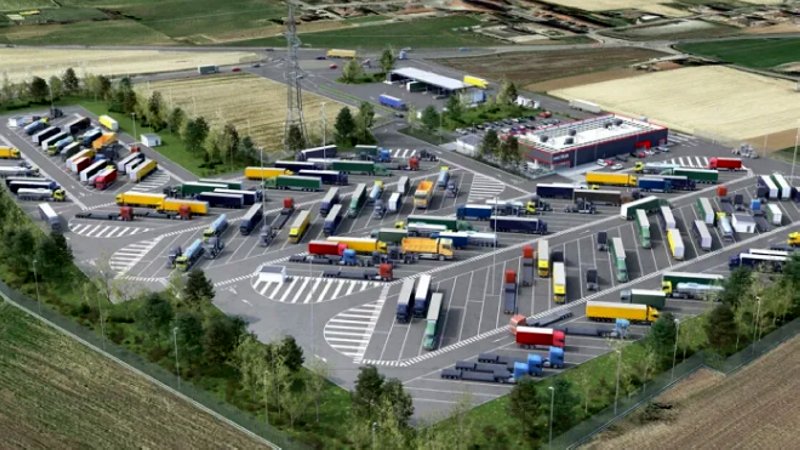
Padrosa realizzerà un parcheggio per camion ad Alessandria

SERVIZI

Padrosa realizzerà un parcheggio per camion ad Alessandria
Leviahub e Pionira accelerano sull’adozione dell’eCmr

SERVIZI

Leviahub e Pionira accelerano sull’adozione dell’eCmr
Trans.eu avvia il pagamento sicuro per l’autotrasporto europeo

SERVIZI

Trans.eu avvia il pagamento sicuro per l’autotrasporto europeo
Sanilog rinnova nel 2026 il piano sanitario per lavoratori della logistica

SERVIZI

Sanilog rinnova nel 2026 il piano sanitario per lavoratori della logistica
L’IA si sta sempre più integrando nel trasporto

SERVIZI

L’IA si sta sempre più integrando nel trasporto
Scania amplia la rete di assistenza nel Lazio

SERVIZI

Scania amplia la rete di assistenza nel Lazio
Nuovi contributi per cibersicurezza alle Pmi e autonomi

SERVIZI

Nuovi contributi per cibersicurezza alle Pmi e autonomi
Dkv Mobility presenta un nuovo software per gestione trasporti

SERVIZI

Dkv Mobility presenta un nuovo software per gestione trasporti
Forto nomina Matteo Caiti Country Manager Italia

SERVIZI

Forto nomina Matteo Caiti Country Manager Italia
Nuove tecnologie Geotab per il trasporto refrigerato

SERVIZI

Nuove tecnologie Geotab per il trasporto refrigerato
Sanzione antitrust di 5 milioni sul noleggio veicoli per Ald

SERVIZI

Sanzione antitrust di 5 milioni sul noleggio veicoli per Ald
Circle Group potenzia software per porti e interporti

SERVIZI

Circle Group potenzia software per porti e interporti
Scania realizza una struttura per i camion a Milano

SERVIZI

Scania realizza una struttura per i camion a Milano
Transporeon introduce nuove soluzioni TMS con l’intelligenza artificiale

SERVIZI

Transporeon introduce nuove soluzioni TMS con l’intelligenza artificiale
Pietro Lanza è direttore generale di SB Italia

SERVIZI

Pietro Lanza è direttore generale di SB Italia
previous arrow
next arrow