







- In March 2026, the Guardia di Finanza (Italian Financial Police) seized eight containers carrying steel believed to be military-grade at Gioia Tauro, a figure that later rose to 16. The containers were bound for Israel aboard MSC vessels. The authorities are assessing whether the cargo complies with Law 185/90, which prohibits the transit of military materiel to countries involved in conflict.
- Palestine Action Global has claimed responsibility for actions against DSV sites in several European countries, accusing the Danish group of managing logistics for Israeli weapons manufacturer Elbit Systems. DSV has confirmed the incidents and its contact with the relevant authorities but has not commented on the substance of the allegations.
- Maersk is the focus of the international “Mask Off Maersk” campaign, which accuses the company of transporting hundreds of millions of dollars’ worth of military components to Israel, including parts for F-35 fighter jets. Under pressure, the company announced in 2025 that it would end its involvement with businesses linked to Israeli settlements in the West Bank.
The European logistics sector has become the most visible front in pressure campaigns linked to the ongoing conflict in the Middle East. Pro-Palestinian movements, human rights organisations and dockworkers’ unions are focusing their actions on major container shipping and land logistics operators, identifying them as vulnerable links in the military supply chain to Israel. MSC, DSV and Maersk have become the main targets of this pressure, each facing different allegations and adopting corporate responses that reflect markedly different approaches to reputational risk management.
The strategy behind the campaigns is to target the most exposed points in the logistics chain: not arms manufacturers, which are difficult to reach directly, but carriers, terminal operators and integrated logistics providers handling materials classified as “dual-use” - meaning they may have both civilian and military applications - or components intended for Israel’s defence industry. European ports, depots and intermodal hubs have therefore become the setting for actions combining legal activism, reputational pressure and, in some cases, direct physical intervention.
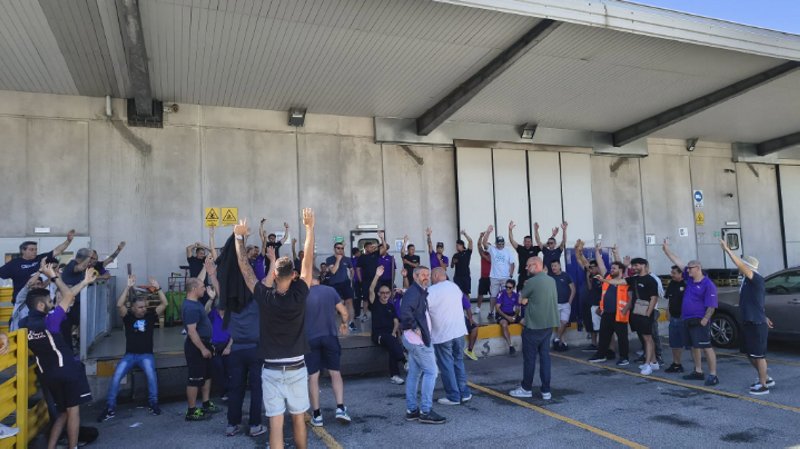
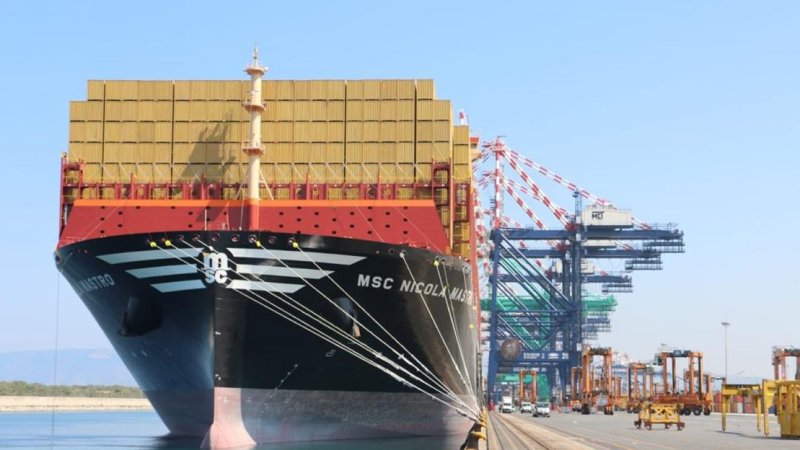
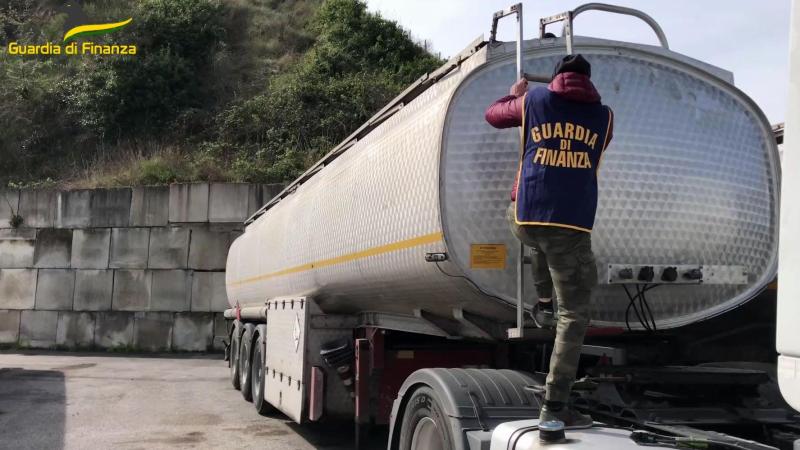
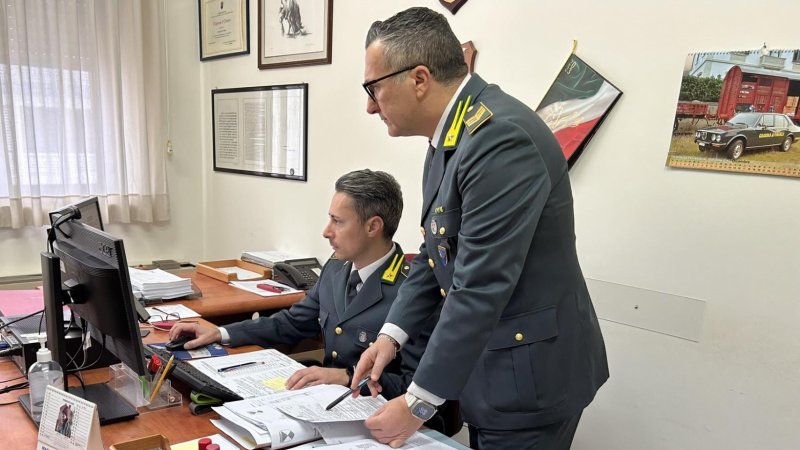
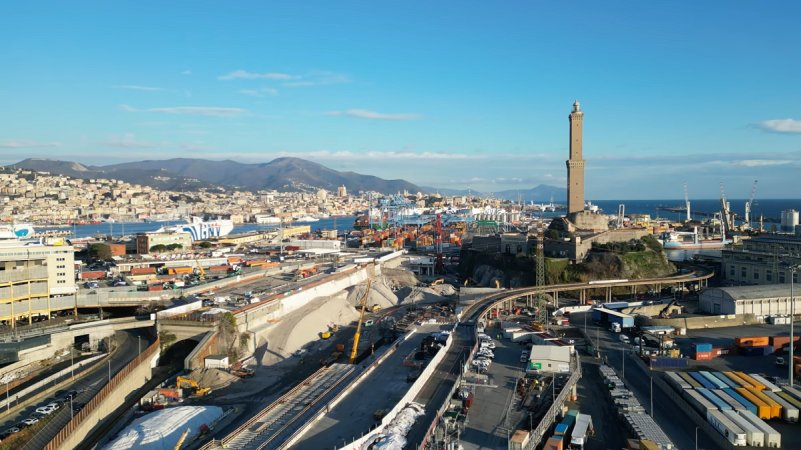
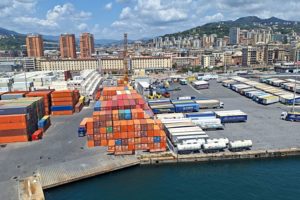
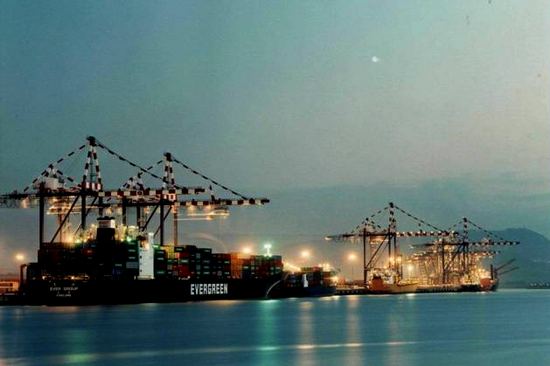
The most acute case has developed at Gioia Tauro, the Calabrian port where MSC operates the container terminal and which boycott campaigns identify as a key hub on the India-Mediterranean-Israel route. On 18 March 2026, the Guardia di Finanza (Italian Financial Police) and the Agenzia delle Dogane (Customs Agency) seized and inspected eight containers holding what Bds Italia and the European Legal Support Center had reported as military-grade steel alloy, forming part of a shipment under an India-Israel agreement. The containers were due to depart aboard MSC vessels bound for the Israeli ports of Ashdod and Haifa, with Gioia Tauro serving as a transhipment port. The checks were subsequently widened. In late May 2026, the trade union Usb, Global Sumud Flotilla and local groups organised a protest on land and at sea, reporting that another 16 containers were being held at the quayside pending technical tests on the metal alloy.
These organisations cite Italian Law 185/90, which prohibits the export and transit through Italian territory of armaments destined for countries involved in conflict. Customs and judicial authorities must determine whether “dual-use” materials fall within the category of armaments. This technical assessment requires specialist expertise and, in the case of the Gioia Tauro containers, was assigned to the ministero dell’Interno (Ministry of the Interior), which had yet to appoint an expert at the time of the late-May protests. Several demonstrations were held between March and May 2026 to demand systematic inspections, transparency over cargo in transit and sanctions against shipping companies regarded as responsible. According to politicians from Alleanza Verdi e Sinistra party (Greens and Left Alliance), a total of 19 suspicious containers had been stopped at Gioia Tauro and Cagliari by the end of March.
MSC has made no public statement on the case, effectively leaving it to the customs and judicial authorities in the countries concerned. This position contrasts with the approach taken by Maersk, which has opted for a more detailed response to the pressure. The international “Mask Off Maersk” campaign, promoted by the Palestinian Youth Movement, has documented the Danish company’s transport of F-35 fighter jet components and other weapons systems bound for Israel. As reported by Palestine Chronicle, the campaign claims that Maersk was “deeply integrated” into Israel’s military supply chain. According to an investigation cited by In These Times, the company had reportedly handled military components worth hundreds of millions of dollars by mid-2024. Maersk acknowledged to Al Jazeera that it had previously transported F-35 components to Israel, while maintaining that it had a formal policy against carrying weapons and ammunition to conflict zones. In 2025, under combined pressure from campaigners and some institutional investors, it announced that it would end relationships with companies linked to Israeli settlements in the West Bank, aligning itself with the UN database of businesses operating in the occupied territories.
The third operator under scrutiny is DSV. Palestine Action Global accuses it of managing logistics for Elbit Systems, one of Israel’s leading manufacturers of weapons systems, including drones, electronics and defence platforms. Activists claim the contracts include shipments to the port of Ashdod. Actions against DSV have been more operational in nature than those targeting Maersk, involving red paint sprayed on office façades, physical blockades at depot entrances and occupations of lorry roofs. In early March 2026, near Manchester, activists blocked a DSV depot for several hours by climbing onto the roof of a vehicle, preventing, according to their account, the departure of two shipments containing weapons parts bound for Israel. The objective is to “disrupt the transport of Israeli weapons and cost DSV and Elbit money until the contracts are terminated”. The Danish logistics group has confirmed damage at several sites and contact with the relevant authorities but has not commented on the substance of the allegations. It has neither confirmed nor denied the existence of a contract with Elbit or the nature of the disputed cargo.
The three campaigns use different tactics but share a common objective: to turn logistics operators into “break points” in the flow of materials to Israel, applying pressure through a combination of direct action and reputational and legal measures. In DSV’s case, physical action on the ground, coordinated by Palestine Action Global, is the dominant approach. For Maersk, the greatest pressure comes from documentary investigations, investor engagement and lobbying of international organisations, coordinated through the “Mask Off Maersk” campaign. In MSC’s case, BDS activism, legal networks such as the European Legal Support Center, dockworkers’ unions and local movements are converging on specific ports - above all Gioia Tauro, but also Piraeus and other Mediterranean hubs - in an effort to halt flows through strikes, pickets and reports to customs authorities.
The central issue running through all three cases is the definition of “dual-use material”: a category well established in European and Italian legislation but which, in practice, leaves room for uncertainty that pressure groups are seeking to use to secure stoppages and seizures. Italian authorities must assess each cargo individually to determine whether metal alloys, electronic components or other goods in transit meet the definition of armaments under Law 185/90. So far, the result has been a series of temporary holds and inspections that have not yet led to permanent seizures, but which have already changed the perception of risk among operators using Italian ports.
Antonio Illariuzzi