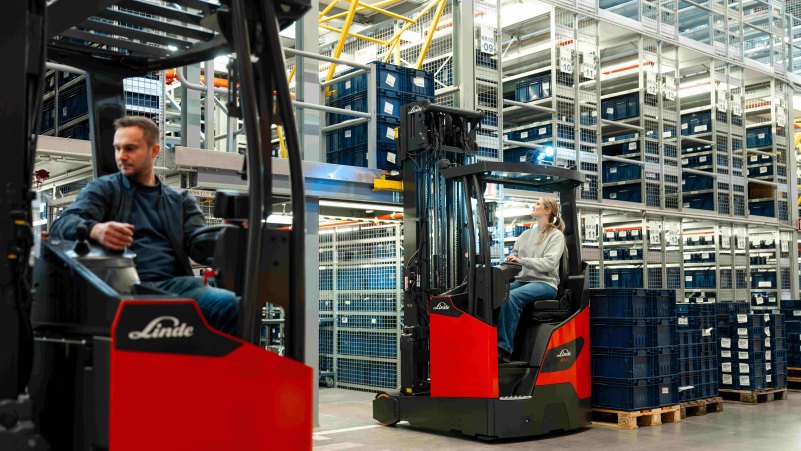






In the early afternoon of 25 August 2025 a major fire erupted in a logistics district connected to the port of Hamburg, triggering a series of explosions. The blaze was sparked at 3.31 PM by an industrial vehicle inside a warehouse in the Veddel neighbourhood, in the south-eastern part of the city, home to several transport and logistics firms. The flames spread to a warehouse containing compressed gas cylinders filled with nitrous oxide, a substance known to accelerate combustion, which turned what could have been an ordinary fire into a chain reaction of explosions. This escalation happened before firefighters arrived, severely complicating their work.
To contain the blaze, Feuerwehr Hamburg deployed more than 320 personnel, including fire crews and medical emergency services, making it one of the largest interventions in the city’s recent history. The repeated explosions and flying metal debris, hurled hundreds of metres away, forced rescuers to retreat several times, preventing a direct assault on the flames. To confront the emergency, additional resources were called in, including airport fire engines, the firefighting vessel Prag, drones, a helicopter and even police water cannons usually used in riot control. The severity of the situation led to the activation of a joint command centre involving both police and firefighters.
The fire had a major impact on Hamburg’s metropolitan transport system. Burning debris from the explosions reached the A1 motorway, leading to a full closure in both directions between Norderelbe and Moorfleet. Five people were injured, one of them critically and another seriously. In addition, 25 people were evacuated from the area, including eight who had been trapped in a car park and were rescued by boat.
The closure of the A1 caused traffic jams stretching up to 12 kilometres, while the A7 also experienced severe delays, though long-distance train services run by Deutsche Bahn were not affected. Despite the scale of the incident, shipping operations in the port of Hamburg continued, as the affected zone did not include container terminals located further west. However, temporary restrictions were imposed on inland navigation along the Norderelbe, Spreekanal and Peutekanal waterways.
Firefighting operations continued for more than fifteen hours, with crews working non-stop through the night until the morning of 26 August. In the early hours of that day, a partial controlled demolition of the damaged building was carried out using excavators and wheeled loaders to allow firefighters to reach the last remaining hotspots. Investigations are now under way to determine the causes of the blaze and any possible liabilities.