





On 10 October 2025, mediation efforts between the FNV union and the companies International Lashing Service and Matrans Marine Services ended without agreement. After a week of tension, workers’ representatives voted unanimously to continue the strike indefinitely, turning what was meant to be a 48-hour protest starting on 8 October into a continent-wide crisis. The companies involved described the action as “unjustified and harmful”, and no new meetings have been scheduled.
At the heart of the dispute is the renewal of the collective agreement for the lashing sector, which covers the securing of containers on ships. FNV is demanding a 7% pay rise, automatic cost-of-living compensation, the maintenance of inflation indexation, a 35% shift allowance and improved safety conditions. Employers have offered between 4% and 6%, which the union deems insufficient. According to FNV representative Niek Stam, “less than one euro per container would be enough to resolve the dispute”, stressing how minor the cost would be compared with the profits generated by shipping lines.
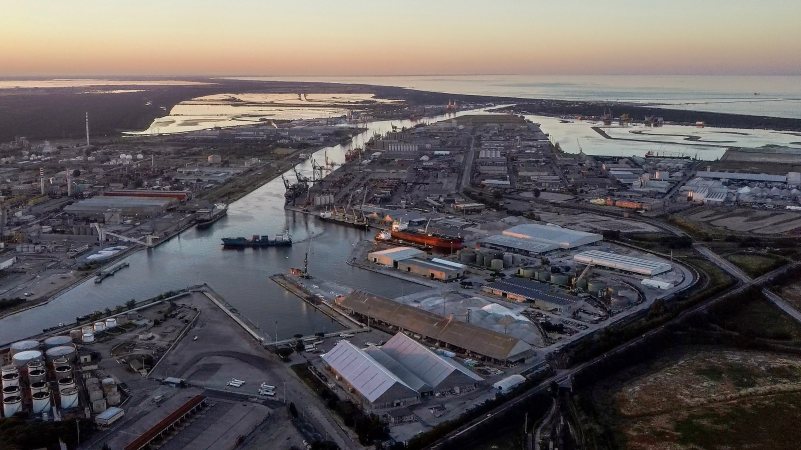
With the strike continuing, container operations at the port of Rotterdam have come to a complete standstill. The walkout by around 700 lashing workers employed at the main terminals has made it impossible to load or unload containers safely, effectively halting the entire operational chain. According to port authority estimates, around 17,000 full containers are no longer being handled each day, with immediate consequences for both maritime and inland transport.
The Apm Maasvlakte II, ECT Delta, Hutchison Ports Delta II, Rotterdam World Gateway and Euromax terminals have all been shut down. The number of ships waiting offshore has risen to more than 18, compared with a normal average of six or seven. The congestion, already worsened by storm Amy in previous days, has forced many shipping lines to reconsider routes or divert services to alternative ports. Maersk reported “significant impacts” on operations and longer delivery times, while MSC flagged further delays in route planning.
The Rotterdam shutdown has amplified existing logistical difficulties across Northern Europe. In Belgium, the Port of Antwerp-Bruges is facing a parallel protest by Flemish maritime pilots against pension reforms, restricting operations to daytime hours since 5 October. Daily ship movements have fallen from around 70 to 31, causing a backlog of over 100 vessels. With German ports such as Hamburg and Bremerhaven already near capacity, Europe’s logistics system is now under severe operational strain.
Deltalinqs, the association representing Dutch port operators, warned of “serious consequences for national supply chains”, stressing Rotterdam’s role in handling essential goods such as food, medicines and construction materials. Additional costs from delays and idle vessels are compounding the difficulties in road and inland waterway transport, creating knock-on effects for warehouses and intermodal operators.
Adding further tension to the crisis, on 10 October the environmental group GeefTegengas blocked the Apm2 and RWG terminals, announcing a mass protest for the following day against the environmental impact of maritime traffic. These demonstrations have further hindered efforts to restore normal terminal operations.
Meanwhile, a group of business owners has announced an urgent legal action against the FNV union, seeking a court order to halt the strike. However, union representatives reaffirmed their determination to continue until their main demands are met, describing current conditions as “no longer sustainable”.
The union has called a general workers’ assembly for 12 October to assess the situation and decide on future strategy. The two sides remain far apart: companies consider the wage demands excessive, while FNV links them to the need for fair pay in a physically demanding sector with challenging working conditions.