


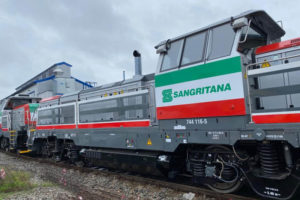
On 18 September 2025, the president of the Italian Abruzzo Region, Marco Marsilio, announced the transfer of 30% of Sangritana Cargo to the Marche-based cooperative Transadriatico. The decision, approved by the board of directors of Tua – Abruzzo transport company – concludes a process launched in 2022 to identify a minority industrial shareholder capable of supporting the rail operator’s growth. The deal is expected to close in the coming days.
The entry of Transadriatico aims to strengthen Sangritana Cargo’s activities and enhance Abruzzo’s role as a logistics hub along the Adriatic corridor. Marsilio stressed that the partnership is designed to maximise the value of the region’s rail assets and create a competitive centre to attract investment and improve freight transport efficiency.
The sale of a minority stake was foreseen by the public notice published by Tua in November 2023, which required candidates to have an annual turnover of at least €25 million. The choice of Transadriatico comes in the context of efforts to bolster intermodal logistics and address the financial imbalances of the Abruzzo company, which in recent years has recorded losses despite rising revenues.
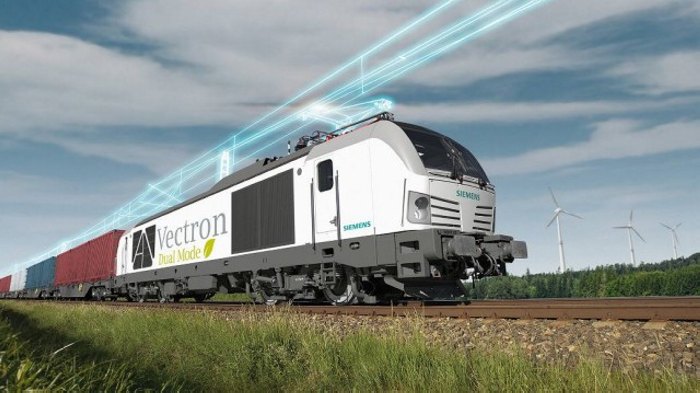
Sangritana Cargo is the main division of Sangritana, a company wholly owned by Tua and based in Lanciano. The rail operator works on both national and international markets with conventional and intermodal freight services, transporting cars, cereals, waste, chemicals and P400 semi-trailers. It operates from logistics hubs in Abruzzo and Marche and from the Saletti terminal, considered a strategic node for connections with the ports of Ortona and Vasto.
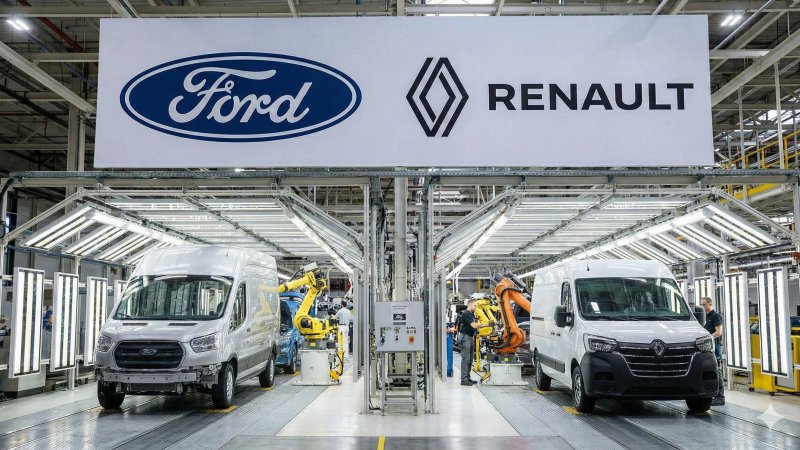
On the financial side, Sangritana’s 2023 accounts show revenues of over €12 million (+28% compared to 2022), but with debts of around €33 million, partly due to investments in new locomotives. In 2024, the company resorted to temporary lay-offs for 92 employees, hit by the downturn in the cargo sector and Stellantis’s production stoppage in Atessa.
Transadriatico was founded in Grottammare in 1993 by a group of hauliers. Today it counts more than 350 drivers, 30 members and a turnover of over €54 million in 2022, with some estimates exceeding €70 million. The company is mainly active in the transport and distribution of fuels and dangerous goods, with additional services in cryogenic and chemical logistics.
The group includes subsidiaries and affiliates such as Erana, Logica, So.Se.Tra and Cipaa, and is recognised for adopting advanced digital solutions. Its Order Manager platform enables integrated transport management and in 2022 helped reduce CO2 emissions by 6% per cubic metre transported. The cooperative also participates in the Open-es platform for ESG performance measurement and has launched internal policies linked to sustainability.