



Array ( [0] => 8 [1] => 10155 )

Podcast K44

Cronaca

  • Carabinieri scoprono 387 kg di hashish su camion a Capua

    Carabinieri scoprono 387 kg di hashish su camion a Capua

    Un autoarticolato con targa spagnola partito da Barcellona e diretto nel Casertano è stato fermato dai carabinieri al casello di Capua lungo l’A1. Nel semirimorchio, tra l’ortofrutta i militi hanno scoperto 387 kg di hashish confezionati in panetti.

Normativa

Mare

  • Il Pacifico riaccende i noli container

    Il Pacifico riaccende i noli container

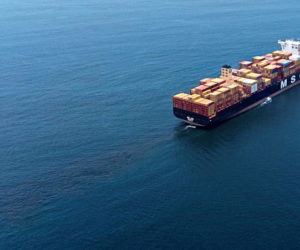
    L’indice Drewry sui noli medi spot del trasporto marittimo di container sale a 1.958 dollari per unità da 40 piedi (+3%) tra la fine di febbraio e l’inizio di marzo 2026. Crescono le rotte Cina–Stati Uniti, mentre Asia–Europa resta debole. Tensioni nello Stretto di Hormuz e costi del carburante potrebbero …

Autotrasporto

  • Un sindacato belga contro prestito a Girteka per nuovi camion

    Un sindacato belga contro prestito a Girteka per nuovi camion

    Il sindacato belga Ubt-Fgtb denuncia la garanzia da 74 milioni euro concessa dall’istituzione pubblica Credendo al consorzio bancario Aka Bank per finanziare Girteka. Secondo il sindacato il sostegno favorirebbe dumping sociale e concorrenza sleale nel trasporto stradale europeo.

    Switzerland plans to raise truck tolls in 2027

    Switzerland faces a crucial choice in its transport policy: to significantly raise the Ttpcp toll for industrial vehicles from 2027 in order to strengthen the transfer of freight from road to rail, or to keep tariffs lower so as not to undermine the competitiveness of hauliers. The proposal, approved by a narrow majority in the transport committee, goes beyond a fiscal measure and touches on strategic issues concerning the country’s logistics organisation, company balance sheets and the resilience of the intermodal rail system itself.

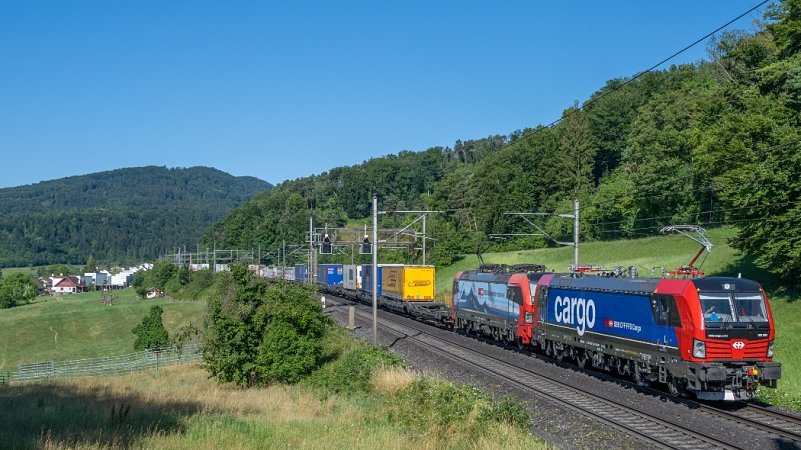
    According to its promoters, the current Ttpcp does not deliver sufficient effects to induce a real modal shift. In recent years, the rolling motorway has been suspended, SBB Cargo has reduced its services and truck transit through the Alps has started rising again. The idea is that higher tolls would make road haulage less attractive, creating scope for strengthening rail transport. Legally the move is possible: the land transport agreement with the European Union allows Switzerland to charge up to 344 francs for a Basel–Chiasso transit journey, while the current average revenue for the same route is around 280–290 francs. Parliamentary estimates suggest that raising the toll to the maximum would generate some 68 million francs in additional annual revenue, two thirds of which would be earmarked for the rail infrastructure fund, itself under heavy financial pressure.

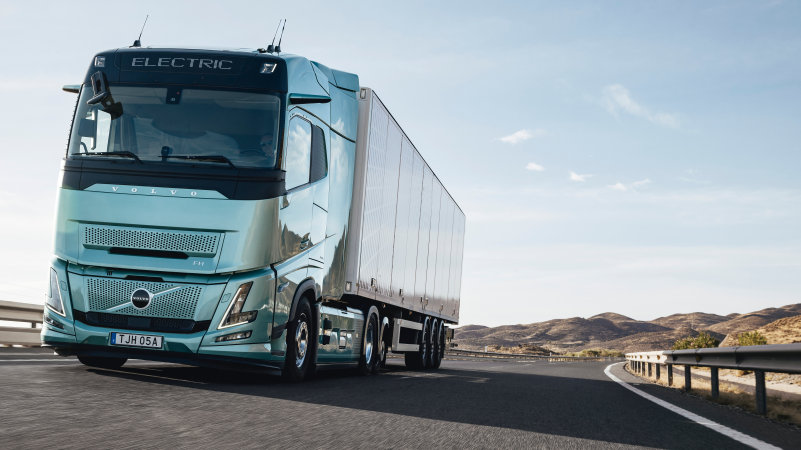
    The increase is set to come into force on 1 July 2027, ahead of the government’s original plan to apply it from 2029. It is worth noting that from 1 January 2025 tariffs were already raised by 5%, with a restructuring of fiscal categories and the abolition of discounts for vehicles equipped with particulate filters. The revision goes further than a simple price adjustment: from 2029 even electric trucks, currently exempt, will be subject to the Ttpcp, albeit with gradual discounts until 2035 to support the technological transition. At the same time Euro VI vehicles, which today represent about 90% of the circulating fleet and currently benefit from the most favourable rate, will be shifted into a more expensive category to offset revenue losses caused by the spread of cleaner vehicles. From 2025, the Ttpcp III system has also been in operation, eliminating border payment terminals and requiring hauliers to use an on-board device connected to the Set/Eets telematics system. This technological shift has cut waiting times and simplified collection, improving efficiency.

    The proposal has sparked mixed reactions. The Swiss road hauliers’ association Astag voiced firm opposition: central president Thierry Burkart described the increase as “a mockery at the expense of consumers” at a time of economic difficulty and warned of further burdens for companies already under pressure. A very different view came from Pro Alps, which welcomed the decision as a step in the right direction. For the organisation, the artificial reduction of the tax in favour of diesel trucks, estimated at 300 million francs per year, is a scandal, and Parliament has a duty to correct this distortion. The parliamentary debate is equally divided: the minority formed by the SVP and FDP argues that the motion should be rejected so as not to compromise the competitiveness of businesses, fearing diversions towards other transit corridors with consequences in terms of congestion and operating costs.

    The issue is entangled with a paradox undermining the coherence of Swiss strategy: on the one hand tolls are to be increased to encourage a shift to rail, while on the other rail services, which should provide the alternative, are being cut back. SBB Cargo has announced the closure of eight intermodal terminals, including two in Ticino, with the loss of forty skilled jobs. The suspension of the rolling motorway and the dismantling of infrastructure could mean an extra 100,000 trucks on the roads each year, in clear conflict with the Alpine Initiative’s objective since 2001 of limiting traffic across the mountain arc.

    Adding complexity are the regulatory provisions set by the land transport agreement, which not only fixes the Ttpcp ceilings but also lays down fundamental rules such as the night-time and Sunday driving ban, the 40-tonne maximum weight and the cabotage ban for foreign hauliers. Pro Alps has also proposed introducing an automatic Ttpcp adjustment to inflation above a 3% threshold to prevent the real value of the tax from eroding further. Since 2001 inflation has been applied only once, for just 1%, while cumulative price rises have amounted to around 14%.

    Parliament will in the coming months be called to decide on the proposal’s fate. The challenge will be to strike a balance between the need to strengthen sustainability and protect the Alpine arc, and the urgency not to undermine the economic competitiveness of a sector that remains central to supply and exports. The success of the strategy will not depend solely on higher tolls, but above all on the ability to guarantee an efficient and accessible rail offering. Without a real strengthening of rail, the risk is that the operation will translate into higher costs for businesses and an additional burden for consumers, rather than a genuine gain for the environment and the railway network.


    © TrasportoEuropa - Riproduzione riservata - Foto di repertorio
    Segnalazioni, informazioni, comunicati, nonché rettifiche o precisazioni sugli articoli pubblicati vanno inviate a: redazione@trasportoeuropa.it


      Puoi commentare questo articolo nella pagina Facebook di TrasportoEuropa

      bottone newsletter piccolo Vuoi rimanere aggiornato sulle ultime novità sul trasporto e la logistica e non perderti neanche una notizia di TrasportoEuropa? Iscriviti alla nostra Newsletter con l'elenco ed i link di tutti gli articoli pubblicati nei giorni precedenti l'invio. Gratuita e NO SPAM!


    CONTENUTI SPONSORIZZATI


Videocast K44

Aereo

  • Corte UE conferma le condanne sul cartello trasporto aereo

    Corte UE conferma le condanne sul cartello trasporto aereo

    La Corte di Giustizia dell'Unione Europea ha reso definitive le sanzioni per tredici compagnie aeree sul cartello nel trasporto delle merci, per un totale di circa 776 milioni di euro. La sentenza chiude un contenzioso durato oltre quindici anni e rafforza i poteri della Commissione Europea sui cartelli globali.

Ferrovia

  • Le ferrovie spagnole puntano sulla manutenzione

    Le ferrovie spagnole puntano sulla manutenzione

    La Spagna rivede le priorità: con due annunci a poca distanza l'uno dall'altro, viene sospesa e rinviata una maxi commessa di nuovi treni AV e contestualmente si aumentano considerevolmente le risorse per la manutenzione.

Persone

  • Torello perde il fondatore Nicola

    Torello perde il fondatore Nicola

    La mattina del 5 marzo 2026, la società di trasporto campana Torello ha annunciato la morte del fondatore Nicola Torello. Ha trasformato un’impresa individuale in una multinazionale europea.
Geotab presenta la dash cam GO Focus Pro con IA

TECNICA

Geotab presenta la dash cam GO Focus Pro con IA
Viberti presenta Evo, semirimorchio centinato competitivo

TECNICA

Viberti presenta Evo, semirimorchio centinato competitivo
Camion ad accesso laterale integrale per la distribuzione

TECNICA

Camion ad accesso laterale integrale per la distribuzione
Nuovo semirimorchio Schmitz, con uno sguardo all’America

TECNICA

Nuovo semirimorchio Schmitz, con uno sguardo all’America
Traton e PlusAI rafforzano l’alleanza sul camion autonomo

TECNICA

Traton e PlusAI rafforzano l’alleanza sul camion autonomo
previous arrow
next arrow
Confetra ricorre al Tar contro la tassa sui pacchi

LOGISTICA

Confetra ricorre al Tar contro la tassa sui pacchi
Due arresti per appalti illegali nella logistica di Trieste

LOGISTICA

Due arresti per appalti illegali nella logistica di Trieste
Tribunale di Milano sequestra 27 milioni a Ceva per frode fiscale

LOGISTICA

Tribunale di Milano sequestra 27 milioni a Ceva per frode fiscale
Video | L’autotrasporto Adr diventa elettrico

LOGISTICA

Video | L’autotrasporto Adr diventa elettrico
Confetra rilancia su infrastrutture e digitale

LOGISTICA

Confetra rilancia su infrastrutture e digitale
previous arrow
next arrow
La guerra all’Iran spinge in alto il prezzo di gasolio e Gnl

ENERGIE

La guerra all’Iran spinge in alto il prezzo di gasolio e Gnl
La crisi di Hormuz può portare il gas europeo a 90 € per MWh

ENERGIE

La crisi di Hormuz può portare il gas europeo a 90 € per MWh
Hormuz bloccato e i prezzi di petrolio e gas aumentano

ENERGIE

Hormuz bloccato e i prezzi di petrolio e gas aumentano
Iran annuncia la chiusura di Hormuz, aumenta il prezzo del petrolio

ENERGIE

Iran annuncia la chiusura di Hormuz, aumenta il prezzo del petrolio
Il 2026 sarà l’anno delle batterie al sodio per i veicoli elettrici

ENERGIE

Il 2026 sarà l’anno delle batterie al sodio per i veicoli elettrici
previous arrow
next arrow
Padrosa realizzerà un parcheggio per camion ad Alessandria

SERVIZI

Padrosa realizzerà un parcheggio per camion ad Alessandria
Leviahub e Pionira accelerano sull’adozione dell’eCmr

SERVIZI

Leviahub e Pionira accelerano sull’adozione dell’eCmr
Trans.eu avvia il pagamento sicuro per l’autotrasporto europeo

SERVIZI

Trans.eu avvia il pagamento sicuro per l’autotrasporto europeo
Sanilog rinnova nel 2026 il piano sanitario per lavoratori della logistica

SERVIZI

Sanilog rinnova nel 2026 il piano sanitario per lavoratori della logistica
L’IA si sta sempre più integrando nel trasporto

SERVIZI

L’IA si sta sempre più integrando nel trasporto
Scania amplia la rete di assistenza nel Lazio

SERVIZI

Scania amplia la rete di assistenza nel Lazio
Nuovi contributi per cibersicurezza alle Pmi e autonomi

SERVIZI

Nuovi contributi per cibersicurezza alle Pmi e autonomi
Dkv Mobility presenta un nuovo software per gestione trasporti

SERVIZI

Dkv Mobility presenta un nuovo software per gestione trasporti
Forto nomina Matteo Caiti Country Manager Italia

SERVIZI

Forto nomina Matteo Caiti Country Manager Italia
Nuove tecnologie Geotab per il trasporto refrigerato

SERVIZI

Nuove tecnologie Geotab per il trasporto refrigerato
Sanzione antitrust di 5 milioni sul noleggio veicoli per Ald

SERVIZI

Sanzione antitrust di 5 milioni sul noleggio veicoli per Ald
Circle Group potenzia software per porti e interporti

SERVIZI

Circle Group potenzia software per porti e interporti
Scania realizza una struttura per i camion a Milano

SERVIZI

Scania realizza una struttura per i camion a Milano
Transporeon introduce nuove soluzioni TMS con l’intelligenza artificiale

SERVIZI

Transporeon introduce nuove soluzioni TMS con l’intelligenza artificiale
Pietro Lanza è direttore generale di SB Italia

SERVIZI

Pietro Lanza è direttore generale di SB Italia
previous arrow
next arrow