






Port pilots suspended their strike at Belgium’s main ports at 7:30 a.m. on Wednesday, 15 October 2025. The halt, however, is only a ten-day truce valid until 24 October. The decision followed a week of severe disruption across Antwerp, Zeebrugge and Ghent, paralysing one of Europe’s key logistics hubs. The professional association Bvl said the suspension aims to reopen talks with the Flemish government after negotiations over pension reform reached an impasse.
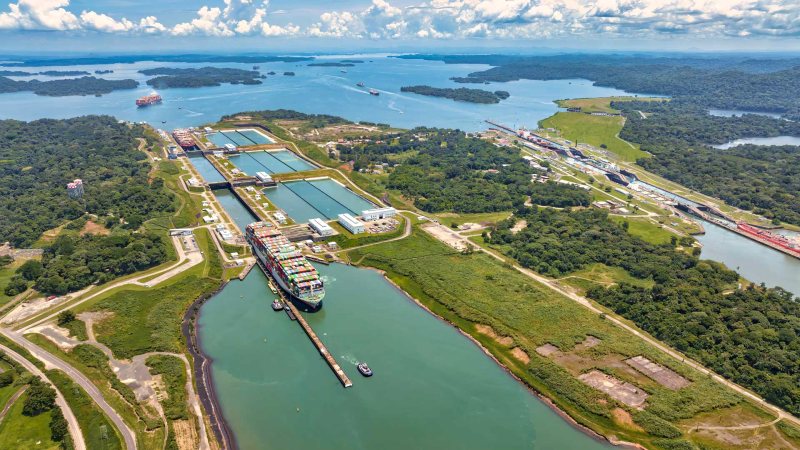
From the morning of 15 October, maritime traffic began to resume gradually. According to the Agency for Maritime and Coastal Services (Mdk), around 210 vessels were still waiting to enter or leave the ports at the time of reopening, while the Port of Antwerp-Bruges Authority said it would take several days to clear the backlog. Under normal conditions, Antwerp handles between 60 and 80 ships a day, but during the strike this figure fell to 31. The disruption has caused widespread delays along the European supply chain, forcing some companies to divert routes to other Northern European ports.
The industrial action, which began on 5 October, started as a work-to-rule: pilots restricted their availability to daylight hours only, drastically reducing operating windows. Over the ten days of protest, the number of vessels delayed grew from 64 on the first day to more than 180 by 14 October, creating congestion at container terminals, delays in oil shipments and difficulties in coordinating rail and road services. The situation worsened further on 14 October when a nationwide strike brought all maritime traffic to and from Antwerp to a complete standstill for 36 hours.
The mobilisation was organised by the three professional associations — Avk, Bvl and Ovl — together with the trade unions Acod, Acv and Vsoa, in protest against the federal pension reform. The organisations oppose a reduction of up to 45% in pensions for new recruits, the removal of special allowances from pension calculations and the lack of indexation for higher pensions, which could reduce monthly benefits from €2,400 to €1,900. Unions also denounce unequal treatment compared to other public-sector workers within the second pension pillar.
The dispute stems from an agreement signed on 2 June 2025 between Bvl and Flemish ministers Jan Jambon and Annick De Ridder, which was meant to secure a transitional pension regime for pilots. According to Bvl, the government has not yet implemented the necessary measures, in breach of the deal. The agreement foresaw the adoption of a new pension framework by the end of November, but the lack of progress triggered the strike.
With the temporary suspension, pilots have given the Flemish government ten days to launch tangible mediation efforts. If no progress is made by 24 October, industrial action could resume. Bvl president Francis Baetens also warned of a competitiveness risk, as more Flemish pilots are opting to work in Dutch ports, where pay is higher and the mandatory retirement age is 60.
Port authorities estimate that a full return to normal operations will take several days. Some works, such as the planned immersion of the fifth segment of the Antwerp underwater tunnel, have been postponed to avoid further disruption. The overall economic impact has yet to be quantified, but losses for terminals and logistics operators already amount to several million euros, affecting container flows and supply chains across Northern Europe.