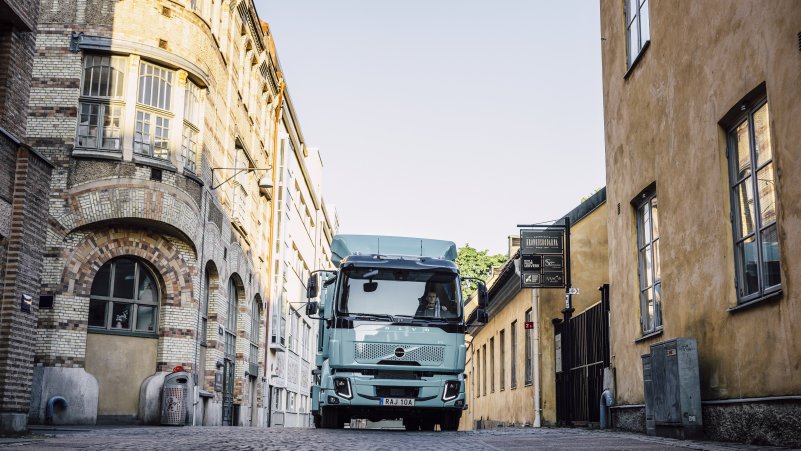





According to the Polish Ministry of Infrastructure, 1,300 vehicles are blocked in Belarus, while Minsk claims the figure is closer to 1,500. In any case, a substantial number of Polish-registered trucks have been immobilised following Warsaw’s decision to close its borders in response to Russian military exercises. The Polish government said it is working to repatriate the drivers, while many others reportedly returned home by alternative means after abandoning their vehicles. The Ministry of Infrastructure added that the situation could have been avoided had hauliers followed the guidelines issued well before the border closure.
In a statement, the ministry wrote: “The Ministry of Infrastructure informed Polish road transport organisations in advance about the border closure, asking them to take these circumstances into account when planning transport to and from Belarus, so that all vehicles and drivers could return to the country. We are already working to provide assistance and bring home both drivers and vehicles. To this end, we remain in constant contact with the Ministry of the Interior, the Border Guard and all road transport organisations for continuous monitoring of the situation.”
The government’s position, however, contrasts with that of the industry associations, which argue that the 50-hour notice issued by the authorities was insufficient to allow carriers to complete their operations and return home before the border was sealed. Most traffic with Belarus takes place through a logistics hub in the Brest area, close to the Polish border, where loading and unloading processes can take up to three working days.
Associations have also voiced concern about possible seizures by the Belarusian authorities against Polish companies. A Minsk law stipulates that foreign vehicles may remain in the country for a maximum of ten days, after which heavy fines or confiscations may be imposed. Given the exceptional circumstances, the Belarusian government has granted the Polish side an additional ten days without penalties, suggesting a reopening of the borders by 28 September at the latest.
According to industry associations, the total value of the stranded vehicles is estimated at 200 million zloty (around €48 million), a sum that could attract Moscow’s interest. For now, however, the Belarusian response has been largely propagandistic, aimed at highlighting what it portrays as Poland’s self-inflicted damage. “Entrepreneurs have become hostages of their own government’s actions. The Polish authorities miscalculated; we can save transport companies by granting another ten days on our territory, but the decision to reopen the border rests with Poland,” the associations said.
Meanwhile, all immobilised trucks have been registered by the Minsk authorities, which will allow them to cross back into Poland but have denied any alternative routes through Lithuania or Latvia. German media have reported on a possible imminent reopening of the borders, though the Tusk government has neither confirmed nor denied this. Developments are expected in the coming hours.