








After a long wait, on 7 august 2025 OpenAI’s ceo Sam Altman confirmed the immediate release of the new ChatGpt-5 model, which is gradually replacing its predecessors. According to its developers, this model marks a turning point in human–machine interaction and opens up interesting opportunities for freight transport and logistics operators. The new version does not merely perform the same tasks as previous generations at greater speed: it introduces a deeper level of language understanding and reasoning ability, making it suitable for managing complex tasks, integrating into business processes and supporting real-time operational decision-making.
OpenAI explains that compared to its predecessors, ChatGpt-5 is faster, more accurate and more context-aware. It does more than provide precise answers: it can interpret nuances, correlate information from different sources and deliver structured solutions. It can analyse operational documents, summarise traffic, weather or load data, and propose optimised alternatives for a shipment. Thanks to its ability to connect with company databases, shipment management systems, crm tools and route planning platforms, it becomes a fully integrated digital assistant able to interact seamlessly with the technological ecosystem already in place.
For transport and logistics companies, the applications are numerous and concrete. ChatGpt-5 can autonomously handle a 24/7 customer service operation, responding to tracking requests, quotes or delivery time queries in multiple languages with zero waiting time. It can automate repetitive tasks such as generating shipping labels, creating personalised notifications or producing reports on operational performance, freeing up staff for higher value-added work. Its capacity to process complex data also makes it a valuable ally in demand forecasting, stock planning and route optimisation, factoring in traffic, weather conditions and load capacity constraints.
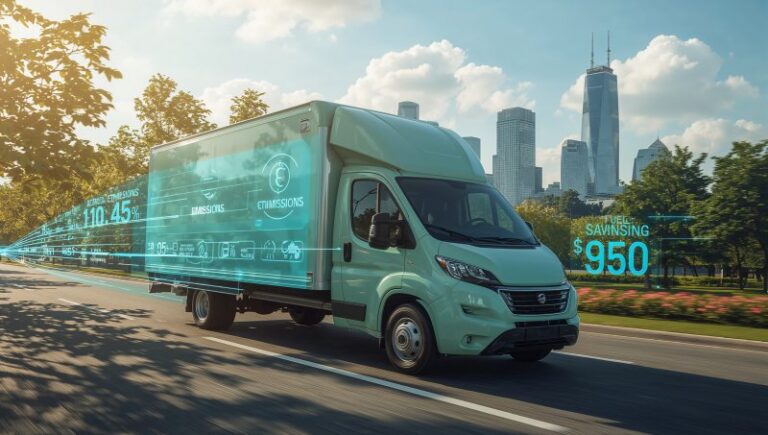
There is also an increasingly important aspect for the sector: sustainability. ChatGpt-5 can help identify strategies to reduce fuel consumption and emissions, for example by suggesting more efficient routes or load combinations that maximise vehicle use. In-house training can also benefit from artificial intelligence: new hires can learn procedures and terminology in a personalised way, with explanations tailored to their level of experience, facilitating onboarding and the spread of operational know-how. Adopting ChatGpt-5 does not require an overhaul of existing infrastructure, as it can be integrated gradually into processes, starting with specific tasks and expanding its use over time.
As with any ai tool, it is essential that companies provide adequate training for those who use it, both to achieve maximum effectiveness and to avoid errors or hallucinations, which can always occur with such systems. It is also crucial to establish robust cybersecurity measures to prevent intrusions that could exploit the ai for malicious purposes or harm the business itself. Moreover, privacy considerations must not be overlooked: when using the cloud version, sensitive data or information that could benefit competitors should not be entered. In such cases, it is advisable to purchase versions that offer specific privacy assurances or that run on local computers.