




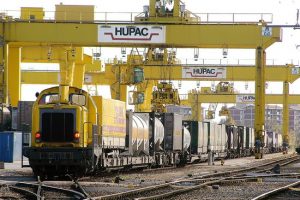
From that date the intermodal link between Busto Arsizio/Gallarate and Basel Weil will take a step forward, with the introduction of three additional round trips bringing the total weekly frequency to eight. The initiative boosts the competitiveness of the corridor by offering operators closer departure slots and more predictable delivery times.
The service offers an A/B category transit time, which allows goods to be collected either on the same day or the following one, and it is certified for the transport of dangerous goods Adr/Rid with profiles C70, C400 and P400, making it compatible with semi-trailers up to four metres. From the Busto Arsizio terminal connections are also available to Pomezia, Marcianise and Bari, extending the reach of the service to central and southern Italy and thus integrating domestic flows with the international axis.
The new timetable introduces a denser sequence of departures. From Busto Arsizio trains leave on Monday evenings at 20.00, arriving in Basel on Tuesday morning, while services intensify during the midweek period, with two daily departures scheduled on Tuesday, Wednesday and Thursday: one overnight train with same-day collection and one evening service with next-morning delivery. On Fridays the 20.00 departure makes goods available the following Monday, while in the opposite direction, from Basel to Italy, the rhythm is equally regular. On Mondays and Tuesdays trains leave the terminal at 17.30, reaching Busto shortly after 04.00, while from Wednesday to Friday an additional morning departure at 10.30 with arrival in the evening complements the usual evening service that ensures overnight collection.
Taken together, these frequencies allow operators to fine-tune their logistics by combining evening departures and morning arrivals with the possibility, on certain days, of managing same-day shipments. Compatibility with P400 semi-trailers and Adr/Rid certification opens the corridor to a wide range of sectors, from retail to chemicals, strengthening the appeal of a service that not only links two terminals but integrates northern Italy and Switzerland into a broader and more efficient intermodal system.