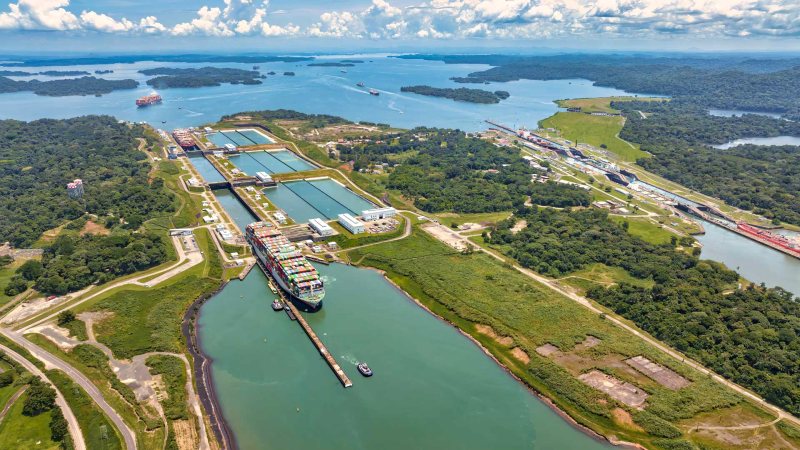




One hundred days after the black-red coalition led by Friedrich Merz took office, the German port industry has raised an alarm: without a genuine strategy for competitiveness, the electoral promise of an industrial revival risks remaining unfulfilled. This is the warning from the Zentralverband der deutschen Seehafenbetriebe (Zds), which stresses that seaports are an indispensable pillar of the economy and a fundamental requirement for sustaining major transformations, from the energy transition to the security of supply chains.
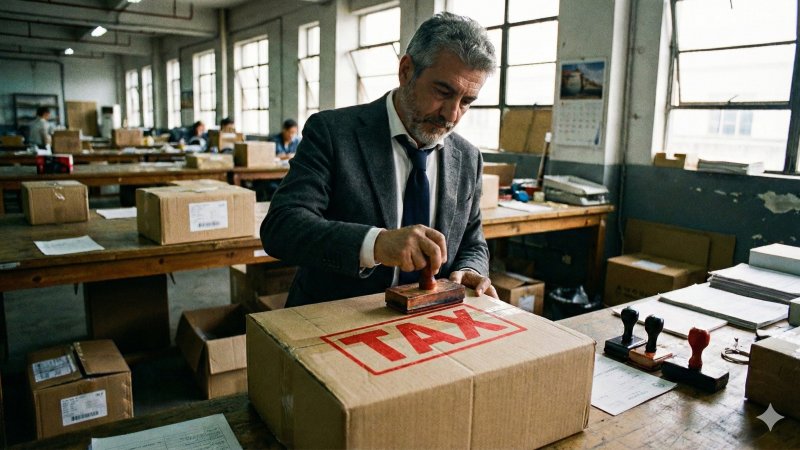
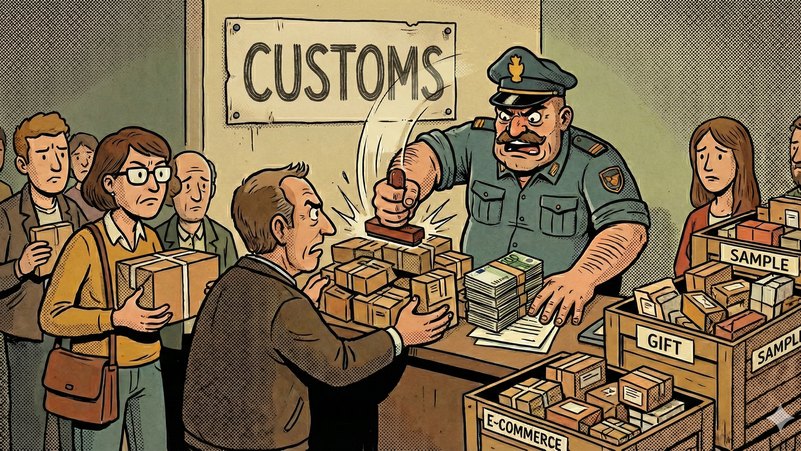
Among the most urgent measures is the reform of the Einfuhrumsatzsteuer, the tax levied on imports. The current system, regarded as excessively bureaucratic, ties up capital that companies cannot channel into investment. In 2024 alone, customs collected around 75 billion euros, equal to 8% of total tax revenue. These funds, notes the association’s managing director Florian Keisinger, are withheld from businesses in advance, placing a particularly heavy burden on medium-sized importing companies. Zds is therefore calling for the immediate introduction of the compensation model already promised by the coalition, which would allow companies to free up liquidity without affecting the public budget.
According to the association’s estimates, German ports need investments worth some 15 billion euros, just 3% of the special infrastructure fund. So far, the resources allocated under the “Klimafreundliche Schifffahrt und Häfen” programme, part of the Klima- und Transformationsfonds, amount to 400 million euros over four years, which are deemed entirely inadequate. “This is not a wish list, but concrete data provided directly by the ports,” Keisinger points out. The sector is therefore demanding a structural allocation of at least 500 million euros a year to bridge maintenance backlogs and adapt infrastructure to future needs.
Another open issue concerns the Stromsteuer, the electricity tax. Current exemptions apply only to manufacturing industry as well as agriculture and forestry, leaving ports excluded despite their strategic role in national logistics. With the prospect of a general reduction to the European minimum of 0.05 cents per kilowatt hour, Zds insists that ports must also be included in the relief schemes, ensuring equal conditions with other industrial sectors.
The final message from Zds to the Merz government is clear. “Anyone who makes competitiveness a priority cannot neglect ports,” says Keisinger. “Without strong ports there can be no strong economy; without a strong economy there can be no security, nor can the Zeitenwende or the energy transition succeed.” The maritime sector is therefore calling for an “autumn offensive” that goes beyond declarations of intent and is translated into immediate and concrete measures on taxation, financing and energy.