




The date marked a significant milestone for the European rail industry: the release of the first two 80-foot InnoWaggon freight cars from the InnoWay factory in Trieste. The ceremony, attended by over three hundred people including workers, institutional representatives, international clients and industry stakeholders, marked the operational launch of production and the completion of an industrial conversion process that, over three years, turned a crisis into a model for revitalisation.
It all began in July 2022, when Finnish giant Wärtsilä announced the closure of its historic plant in Bagnoli della Rosandra, ending the production of marine engines and putting more than 450 jobs at risk. The decision, driven by cost-cutting and centralisation strategies, sparked significant social tensions and weeks of protest. The local response was swift and determined, but for months the site’s future hung in the balance.
The turning point came in February 2024, when MSC expressed interest in taking over the facility and launching freight wagon production. Austrian rail transport specialist Innofreight joined the venture, and from their partnership emerged InnoWay, an ambitious industrial project backed by a combined public and private investment of €137 million, aimed at converting the site and developing rail infrastructure.
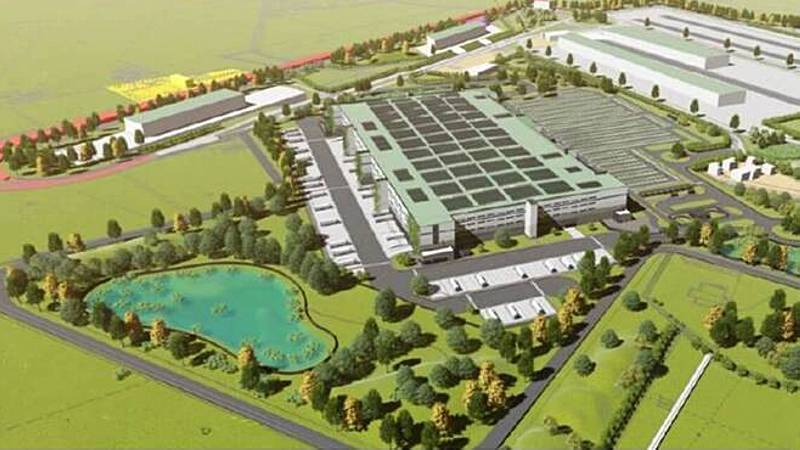
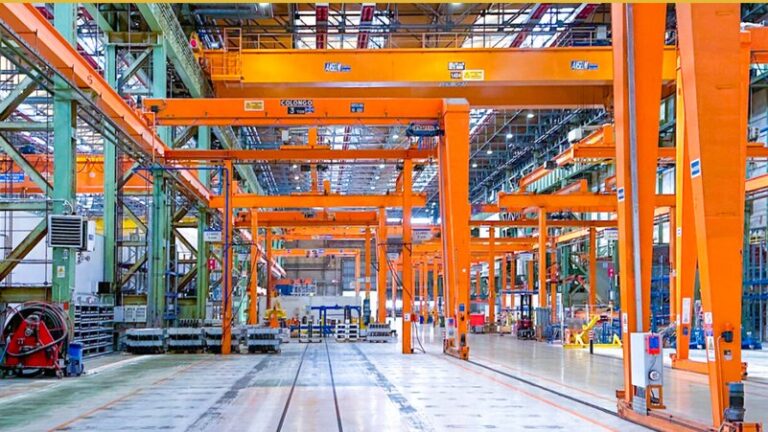
The plant was completely refurbished, equipped with automated systems and an industrial plan targeting an annual output of one thousand freight cars and three thousand bogies by 2027, supported by a skilled workforce of 260 employees. The first to be re-employed were 255 redundant workers from the former Wärtsilä plant, who took part in reskilling programmes funded by the EU’s GOL initiative, receiving training in advanced welding, quality control and transversal skills.
The 80-foot InnoWaggon is the first tangible result of this transformation. Measuring over 26 metres in length, with a payload capacity of more than 145 tonnes and a top speed of 120 km/h, it has been designed to lower the costs and improve the performance of freight transport. InnoWay is also developing the Innobogie, a lighter and more durable rail bogie that aims to enhance the efficiency of rolling stock.
The first two wagons were delivered to Yellow2Rail and Papierholz Austria. The 2 July event marked not only the beginning of deliveries, but also the completion of one of the most significant industrial conversion projects in Friuli Venezia Giulia. A key factor in the success was the enhancement of the rail infrastructure, made possible through a €15 million regional grant managed by the Coselag Consortium. The new six-track yard and direct connection to the national network strengthen not only InnoWay, but the entire industrial fabric of Trieste.