



The Viia terminal in Aiton, Maurienne, is facing the near total closure of its operations, with 18 of its 20 employees set to lose their jobs in September 2025. The decision follows two years of suspension of the Alpine rail motorway service, which connected Bourgneuf (Lyon) with Orbassano, near Turin. Operations were halted on 27 August 2023 after a landslide at La Praz blocked the international railway line. Although the section reopened in March 2025, the intermodal service has not resumed. From 2003 to 2023 the service transported around 40,000 lorries per year, with five daily connections, moving a total of 832,000 trailers over 20 years and cutting carbon dioxide emissions by 157,600 tonnes.
The dismissed workers were employed by Viia Connect Bourgneuf Aiton, a subsidiary of Rail Logistics Europe created from the dismantling of Fret SNCF. Their job was to receive lorries and load trailers onto trains. After a period of furlough following the suspension of services, their contracts have now been terminated. The CGT union denounced the contradiction between official environmental policies and the reality on the ground, with 40,000 lorries now returning to Alpine roads instead of being shifted onto rail.
The Afa crisis has deeper roots. The European Commission ordered the dismantling of Fret SNCF and the transfer of 30% of its traffic to competitors. Transalpine rail freight was therefore handed over to Mercitalia, a subsidiary of Ferrovie dello Stato Italiane, which made the resumption of services conditional on subsidies. Economically, the route had been loss-making since the outset: the French and Italian governments each guaranteed around €4.5 million per year, but these contributions were suspended in 2023. According to French MP Émilie Bonnivard, this meant €600,000 per country in 2023 and €2.2 million per country in 2024.
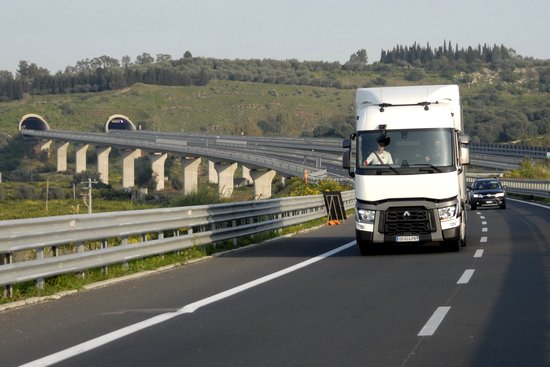
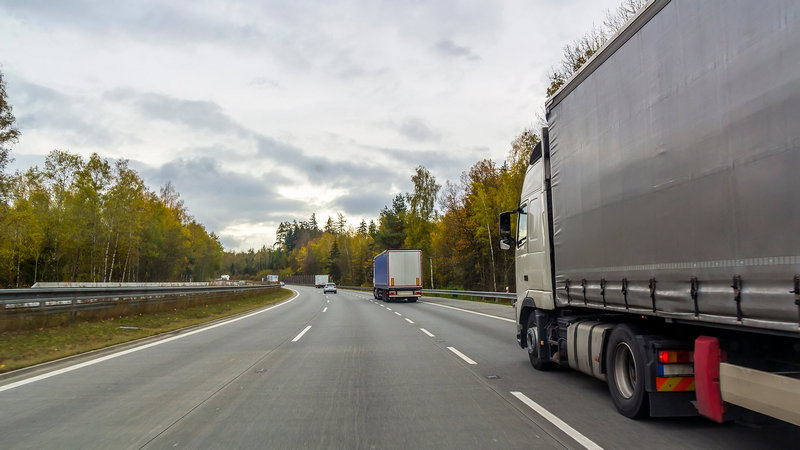
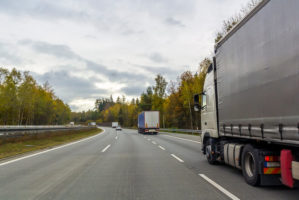
The consequences of the non-resumption are significant: all the lorries once using the line are now back on the roads, increasing emissions and congestion in an area already under strain due to the temporary closure of the Mont Blanc tunnel. French unions have also highlighted the loss of expertise built up over more than 20 years, calling the closure a waste of professional and technical resources.
An attempt to revive the service was launched in March 2024 with a Franco-Italian consultation to allocate the concession for 2025–2027. Negotiations, however, broke down over financing methods: France favoured a public service delegation, while Italy pushed for a per-kilometre reimbursement model. The latter was ultimately adopted, with a rail bonus of €30 per kilometre and a cap of €5 million a year for both States, but this had no concrete impact on restoring operations. Even questions raised in the European Parliament in April 2025 failed to change the outlook.
The Aiton case is not isolated. In Switzerland, RAlpin has announced the early closure in December 2025 of its line connecting Germany and Italy through the Swiss Alps, also hit by financial and infrastructure problems. More broadly, the European road-rail combined transport sector is shifting towards unaccompanied combined transport, which involves moving trailers without drivers or tractors and is seen as more competitive economically.