



Array ( [0] => 8 [1] => 41 )

Podcast K44

Cronaca

  • 17 camionisti arrestati a Savona per furto di gasolio

    17 camionisti arrestati a Savona per furto di gasolio

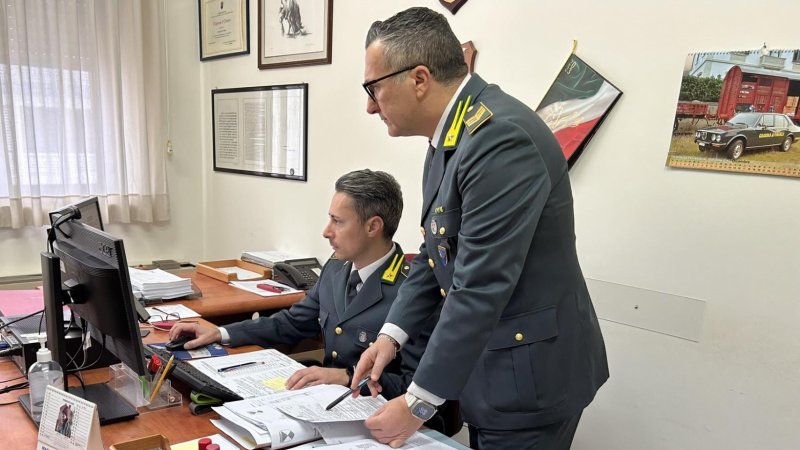
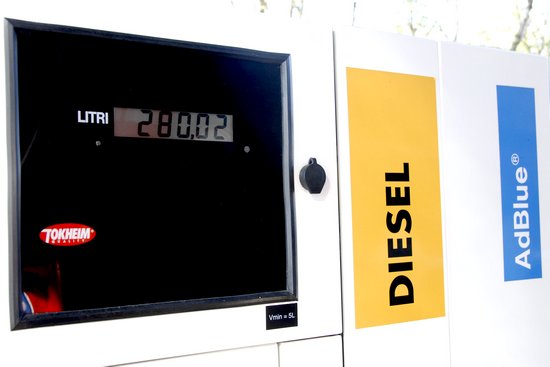
    Un’indagine della Guardia di Finanza nel deposito fiscale carburanti di Vado Ligure ha coinvolto diciassette autotrasportatori, col sequestro di oltre 3.700 litri di gasolio. Il prodotto veniva sottratto durante il carico e rivenduto fuori circuito a prezzi inferiori.

Normativa

Mare

  • A Hormuz navigazione limitata a 15 navi e a pagamento

    A Hormuz navigazione limitata a 15 navi e a pagamento

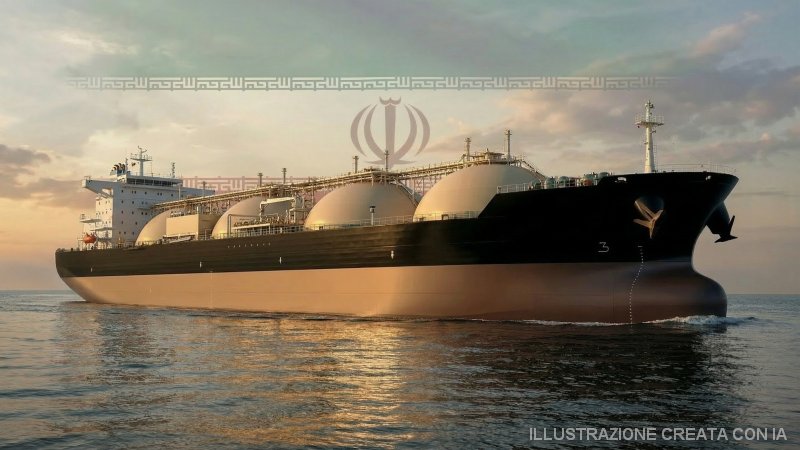
    Durante la fragile tregua con gli Stati Uniti, l’Iran ha annunciato il 10 aprile 2026 che permetterà il transito nello Stretto di Hormuz solo a quindici navi al giorno su rotta fissa e ribadisce la volontà d'instaurare il pagamento.

Autotrasporto

  • Betz International chiede la procedura d’insolvenza

    Betz International chiede la procedura d’insolvenza

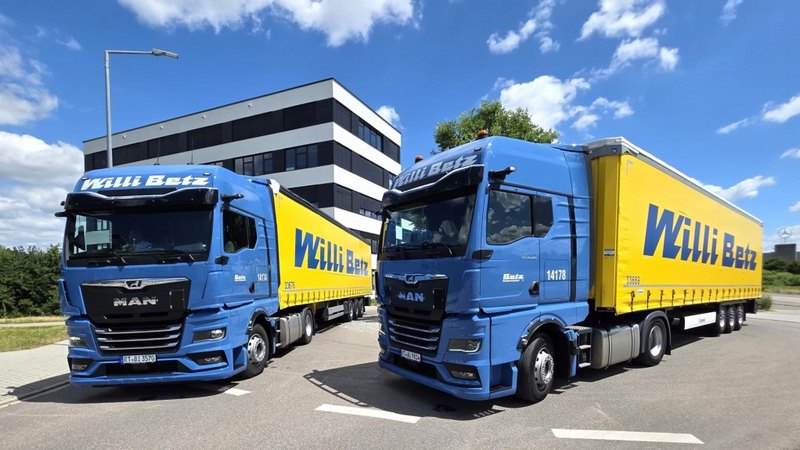
    Betz International, ramo dell’autotrasporto internazionale gruppo tedesco Willi Betz, ha chiesto la procedura d’insolvenza. Una vicenda che s’inserisce in un'ondata di fallimenti che nel 2025 ha portato in Germania a un record storico di fallimenti nelle grandi imprese tedesche.

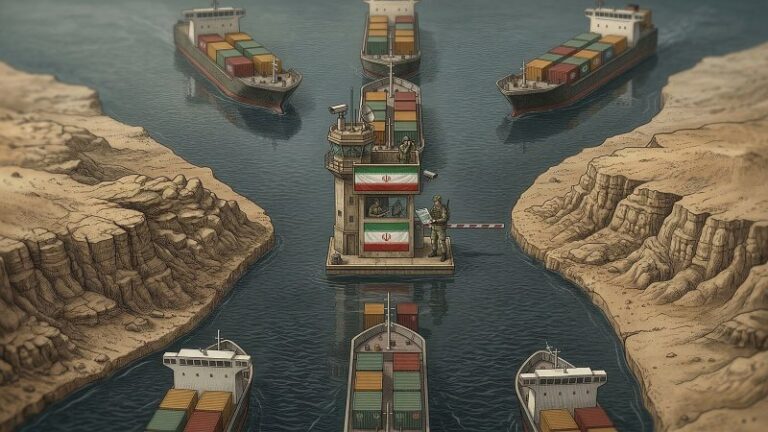
    Hormuz transit limited to 15 vessels and subject to charges

    As of 10 April 2026, the Strait of Hormuz is formally open but operationally almost blocked. The corridor linking the Persian Gulf to the Gulf of Oman remains under the de facto control of Iranian naval forces, which have set a maximum threshold of fifteen vessels per day. Before the conflict triggered by the United States and Israel around five weeks ago, more than one hundred ships were passing freely through the strait each day. Maritime tracking data processed by Kpler and MarineTraffic illustrate the scale of the paralysis: on one of the days following the announcement of the truce between Washington and Tehran, made overnight between 7 and 8 April, only five transits were recorded. Hundreds of tankers and bulk carriers are still anchored in the Persian Gulf, reducing speed or reversing course while awaiting authorisations that are slow to arrive. The initial closure is estimated to have left nearly 800 vessels stranded in the area.

    Iran is managing passages selectively, through the naval presence of the Pasdaran (Islamic Revolutionary Guard Corps) and patrol operations that give Tehran direct control over the pace of transits. AIS tracking shows ships slowing almost to a standstill near waters controlled by Iran, waiting for clearance signals. The cap of fifteen vessels per day is not codified in international rules: it is enforced in practice and effectively serves as a tool of political pressure linked to ceasefire arrangements with the United States.

    The timeline of recent days highlights the fragility of political announcements. The truce agreement of 7–8 April raised market expectations of a reopening: in the first hours afterwards, a few transits were recorded, and the first non-Iranian tanker to cross the strait after the announcement was the Msg, flying the Gabon flag, carrying around 7,000 tonnes of Emirati fuel oil bound for India. A symbolic signal that remained just that. Israeli strikes on Beirut and the Bekaa Valley, interpreted by Tehran as a breach of the truce, quickly returned the situation to near-closure, while Hezbollah rocket responses in northern Israel fuelled a cycle of escalation that directly shapes Iran’s management of the strait.

    US President Donald Trump has claimed the agreement with Tehran as a guarantee for reopening Hormuz, but accuses Iran of handling oil traffic “in a very poor way” and betraying the spirit of the truce. The US Navy remains one of the main guarantors of security for Gulf energy routes, while officially seeking to avoid direct escalation. UK Prime Minister Keir Starmer has raised “military options” to make the passage safe again and is working to build a naval coalition with allied countries. The EU has firmly rejected the idea of an Iranian toll on transiting vessels, invoking international law and freedom of navigation.

    For Iran, control of the strait is a pressure lever in response to raids and the military presence of the United States and Israel in the region. Limiting traffic to fifteen vessels per day allows Tehran to strike at the heart of the global energy system without resorting to a total closure, which would also irritate strategic partners such as China and India. The management of Hormuz is part of broader negotiations on the truce, sanctions and the nuclear dossier: each partial reopening or new restriction becomes a bargaining chip at the political table.

    The economic impact extends far beyond the region. Reduced flows through Hormuz are driving immediate increases in oil prices and marked volatility in energy markets, with knock-on effects on transport, inflation and monetary policy. Several analysts point out that Europe is among the most exposed regions, both in terms of energy costs and supply chain vulnerability. There are no comparable alternative maritime routes in terms of volume and cost: any diversions via pipelines or through other corridors such as Bab el-Mandeb, which links the Arabian coast to the Red Sea, cannot offset a closure of Hormuz.

    Iran’s control over the Strait of Hormuz is in tension with the principles of freedom of navigation enshrined in international conventions, setting a precedent that concerns maritime powers. The prospect of multinational escort missions for vessels, raised by London and discussed with Washington and some European countries, signals the risk of further militarisation in an already highly sensitive area. The EU continues to emphasise diplomatic and multilateral tools, including recourse to UN forums and the law of the sea, to defend freedom of navigation without opening a direct military front.

    The United Arab Emirates, Qatar and Bahrain, from which a large share of Gulf energy exports originate or transit, are directly affected by the slowdown and are becoming diplomatic hubs for contacts between Western leaders and regional actors. For shipowners, meanwhile, the situation translates into rising costs, idle vessels and increasing insurance premiums: the contrast between the rhetoric of political agreements and the silence of AIS tracking data now provides the clearest measure of the gap between the announced truce and an operational normality that remains distant.

    M.L.

    © TrasportoEuropa - Riproduzione riservata - Foto di repertorio
    Segnalazioni, informazioni, comunicati, nonché rettifiche o precisazioni sugli articoli pubblicati vanno inviate a: redazione@trasportoeuropa.it


      Puoi commentare questo articolo nella pagina Facebook di TrasportoEuropa

      bottone newsletter piccolo Vuoi rimanere aggiornato sulle ultime novità sul trasporto e la logistica e non perderti neanche una notizia di TrasportoEuropa? Iscriviti alla nostra Newsletter con l'elenco ed i link di tutti gli articoli pubblicati nei giorni precedenti l'invio. Gratuita e NO SPAM!


    CONTENUTI SPONSORIZZATI


Videocast K44

Aereo

  • Il cargo aereo scommette sulla tregua del Golfo

    Il cargo aereo scommette sulla tregua del Golfo

    La tregua tra Stati Uniti e Iran può ridurre la pressione sui noli del trasporto aereo delle merci, ma il ritorno alla normalità richiederà fino a due mesi. Intanto le rilevazioni di Xeneta mostrano aumenti fino al 105% sulle principali rotte tra Asia, Medio Oriente ed Europa.

Ferrovia

Persone

  • Di Leverano segretario generale dell’Asp Adriatico Meridionale

    Di Leverano segretario generale dell’Asp Adriatico Meridionale

    Il Comitato di gestione dell’Autorità di Sistema Portuale del Mare Adriatico Meridionale ha approvato all’unanimità la proposta del presidente Francesco Mastro di nominare segretario generale Francesco Di Leverano, che entrerà in carica l’11 maggio con un mandato quadriennale.
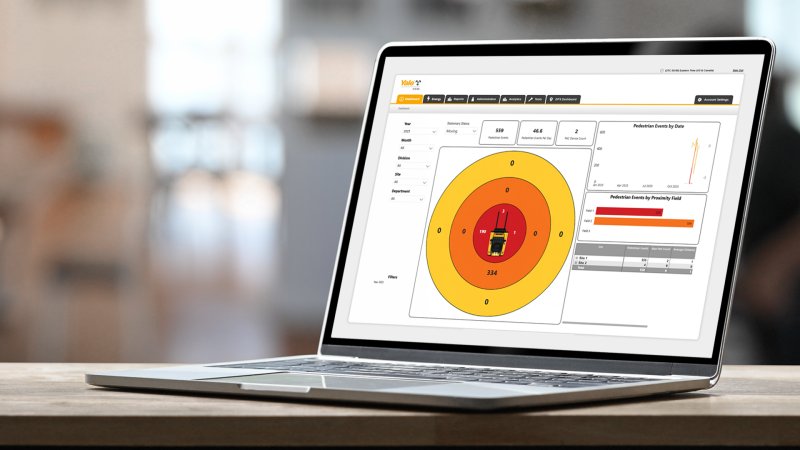
Yale aumenta la sicurezza dei pedoni nella logistica

TECNICA

Yale aumenta la sicurezza dei pedoni nella logistica
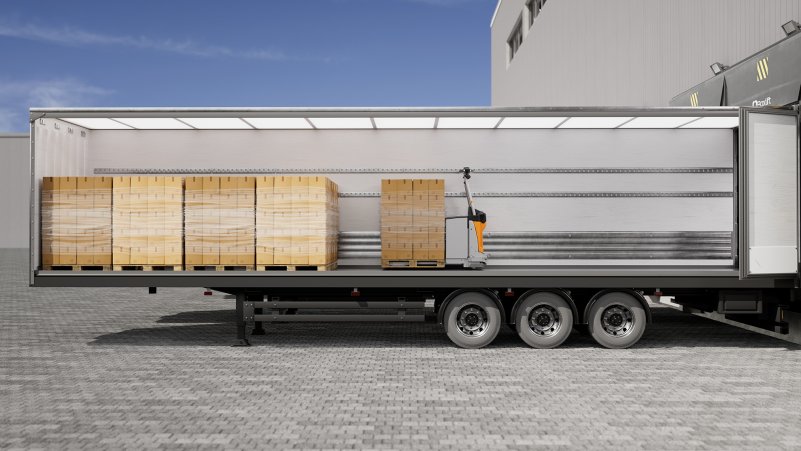
Still automatizza carico e scarico dei camion

TECNICA

Still automatizza carico e scarico dei camion
Amazon vuole portare i robot dal magazzino alla porta di casa

TECNICA

Amazon vuole portare i robot dal magazzino alla porta di casa
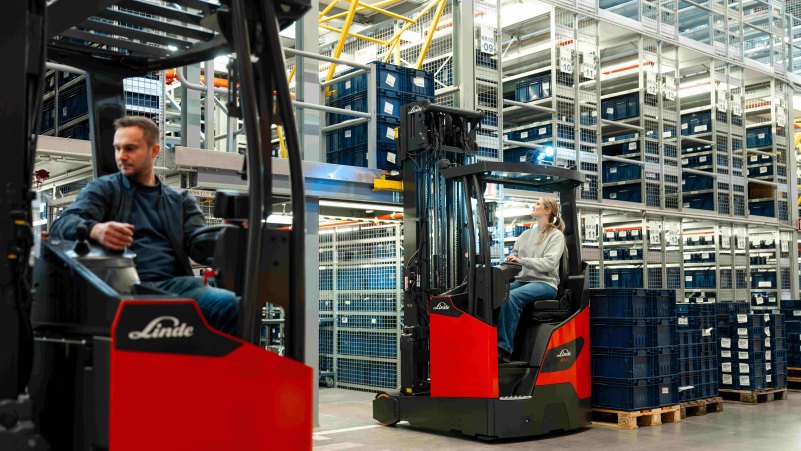
Linde MH presenta i carrelli retrattili Ri al LogiMat

TECNICA

Linde MH presenta i carrelli retrattili Ri al LogiMat
Schmitz rinnova la vasca leggera

TECNICA

Schmitz rinnova la vasca leggera
previous arrow
next arrow
Joint-venture da un miliardo nell’immobiliare logistica europea

LOGISTICA

Joint-venture da un miliardo nell’immobiliare logistica europea
A Fiumicino 600 lavoratori irregolari nella logistica

LOGISTICA

A Fiumicino 600 lavoratori irregolari nella logistica
Il tribunale liquida filiale francese di Ziegler

LOGISTICA

Il tribunale liquida filiale francese di Ziegler
La Cina avvia produzione industriale di robot umanoidi

LOGISTICA

La Cina avvia produzione industriale di robot umanoidi
Come funziona la nuova consegna ultrarapida di Amazon

LOGISTICA

Come funziona la nuova consegna ultrarapida di Amazon
previous arrow
next arrow
Quattro indagati per uso stradale di gasolio agricolo nel Salento

ENERGIE

Quattro indagati per uso stradale di gasolio agricolo nel Salento
Il taglio delle accise è prorogato fino al primo maggio

ENERGIE

Il taglio delle accise è prorogato fino al primo maggio
Petrolio sopra 110 dollari al barile dopo dichiarazioni di Trump

ENERGIE

Petrolio sopra 110 dollari al barile dopo dichiarazioni di Trump
Scoperti a Fiumicino i vampiri del carburante per aerei

ENERGIE

Scoperti a Fiumicino i vampiri del carburante per aerei
Le condizioni dell’Iran per il transito delle navi a Hormuz

ENERGIE

Le condizioni dell’Iran per il transito delle navi a Hormuz
previous arrow
next arrow
Sogedim potenzia le spedizioni per America Latina con Eagle Service

SERVIZI

Sogedim potenzia le spedizioni per America Latina con Eagle Service
Leviahub cresce in Spagna con due acquisizioni

SERVIZI

Leviahub cresce in Spagna con due acquisizioni
Trans.eu cresce in Italia con la borsa carichi relazionale

SERVIZI

Trans.eu cresce in Italia con la borsa carichi relazionale
L’evoluzione della borsa carichi autotrasporto è relazionale

SERVIZI

L’evoluzione della borsa carichi autotrasporto è relazionale
Padrosa realizzerà un parcheggio per camion ad Alessandria

SERVIZI

Padrosa realizzerà un parcheggio per camion ad Alessandria
Leviahub e Pionira accelerano sull’adozione dell’eCmr

SERVIZI

Leviahub e Pionira accelerano sull’adozione dell’eCmr
Trans.eu avvia il pagamento sicuro per l’autotrasporto europeo

SERVIZI

Trans.eu avvia il pagamento sicuro per l’autotrasporto europeo
Sanilog rinnova nel 2026 il piano sanitario per lavoratori della logistica

SERVIZI

Sanilog rinnova nel 2026 il piano sanitario per lavoratori della logistica
L’IA si sta sempre più integrando nel trasporto

SERVIZI

L’IA si sta sempre più integrando nel trasporto
Scania amplia la rete di assistenza nel Lazio

SERVIZI

Scania amplia la rete di assistenza nel Lazio
Nuovi contributi per cibersicurezza alle Pmi e autonomi

SERVIZI

Nuovi contributi per cibersicurezza alle Pmi e autonomi
Dkv Mobility presenta un nuovo software per gestione trasporti

SERVIZI

Dkv Mobility presenta un nuovo software per gestione trasporti
Forto nomina Matteo Caiti Country Manager Italia

SERVIZI

Forto nomina Matteo Caiti Country Manager Italia
Nuove tecnologie Geotab per il trasporto refrigerato

SERVIZI

Nuove tecnologie Geotab per il trasporto refrigerato
Sanzione antitrust di 5 milioni sul noleggio veicoli per Ald

SERVIZI

Sanzione antitrust di 5 milioni sul noleggio veicoli per Ald
previous arrow
next arrow