



In May 2025, five individuals were arrested in Serbia on charges of being the main organisers behind a large-scale international drug trafficking operation targeting the Nordic countries. The operation, carried out under the coordination of Eurojust, marks the culmination of a joint investigation launched in 2020 and consolidated in April 2024 with the establishment of a joint investigative team involving Serbia, Sweden, Finland, Denmark and Norway.
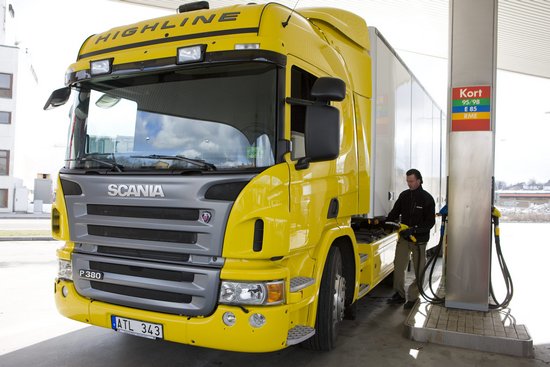
According to the findings of the investigation, the criminal network was responsible for transporting large quantities of illicit substances — including cocaine, amphetamines and cannabis — sourced from Spain and the Netherlands. The consignments were hidden in secret compartments within lorries and travelled along routes crossing France and Germany to reach their final markets in northern Europe. In some cases, firearms were also found alongside the drugs.
The organisation paid particular attention to logistics, managing vehicle preparation and driver selection through transport companies that appeared legitimate but were in fact created solely to conceal the illicit activities. In previous months, eight individuals posing as the official heads of these companies were also arrested, having played an active role in the network. Once the drugs reached their destinations, they were distributed by local criminal groups, some of which have already been identified and prosecuted by Scandinavian authorities. In recent years, several individuals have been arrested and convicted in Sweden, Denmark and Norway for offences linked to this trafficking system.
The total amount of drugs transported has yet to be precisely quantified, but estimates provided by Serbian authorities suggest at least 1.6 tonnes of narcotics and around 62,000 tablets and pills. These figures point to a well-organised and long-running trafficking operation. Eurojust played a pivotal role by offering logistical, operational and financial support to the investigative team and organising a series of coordination meetings to plan the final phase of the operation. Cooperation among the countries involved was facilitated by the presence at Eurojust of liaison prosecutors for both Serbia and Norway, two of the twelve non-EU states that actively participate in the agency’s activities.
During operations on Serbian territory, encrypted phones, a firearm, ammunition and documents linked to the foundation of the transport companies involved were seized. The synergy between judicial authorities and police forces across several countries has dealt a decisive blow to a transnational network that exploited road haulage to fuel illicit trade in northern Europe.