




Array ( [0] => 8 [1] => 41 )

Podcast K44

Cronaca

  • Incendio in un deposito di autotrasporti a Pozzolo Formigaro

    Incendio in un deposito di autotrasporti a Pozzolo Formigaro

    Pneumatici esausti e residui oleosi all'origine del rogo scoppiato nella mattina del 3 giugno 2026 nella zona industriale in provincia di Alessandria. Nessun ferito, ma danni ingenti alla struttura e preoccupazioni ambientali per la nube di fumo nero sprigionatasi per ore.

Transpotalk

Normativa

Mare

  • Flettono i container in Italia nel primo trimestre 2026

    Flettono i container in Italia nel primo trimestre 2026

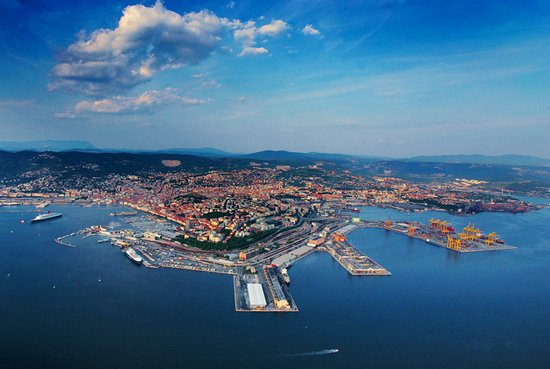
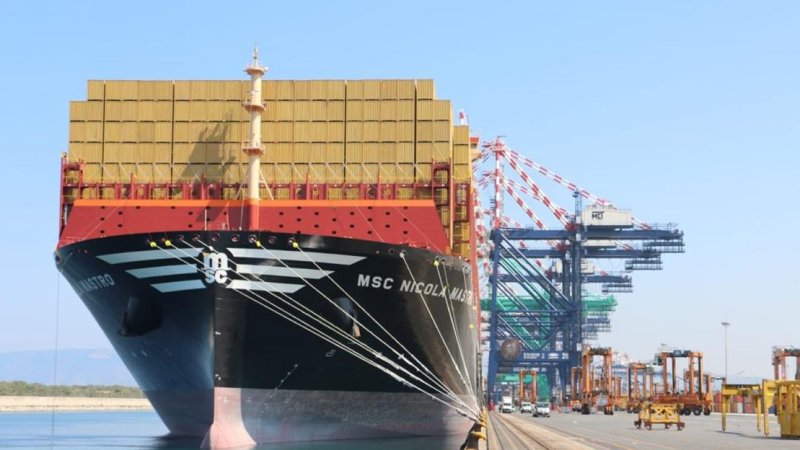
    Nel primo trimestre 2026 le rotte oceaniche si allontanano dall'Italia e i volumi risentono dell'instabilità in Medio Oriente, con Trieste in forte flessione e Ravenna in controtendenza. Lo mostrano le rilevazioni di Fedespedi sul traffici nei porti italiani.

Autotrasporto

  • Da giugno 2026 nuove regole UE per i controlli Adr su strada

    Da giugno 2026 nuove regole UE per i controlli Adr su strada

    La Direttiva delegata 2025/1801 sui controlli su strada delle merci pericolose Adr introduce una check-list armonizzata obbligatoria per tutti gli organi di controllo nazionali e una classificazione tripartita delle infrazioni, con applicazione dal 24 giugno 2026.

    Hormuz Premium distorts container freight seasonality

    The crisis in the Strait of Hormuz has introduced a new factor into the container freight market: a geopolitical surcharge that industry operators have begun to call the “Hormuz Premium”. This is not a short-lived speculative spike, but a persistently higher and more volatile average cost level that has been superimposed on historical seasonal curves, making them effectively unusable as a planning benchmark. According to Sea-Intelligence, spot rates on several east-west routes are several hundred dollars per 40-foot container above levels considered normal for the same time of year, despite little or no corresponding increase in actual physical demand. This differential is neither uniform nor stable. It fluctuates sharply in response to geopolitical developments and operational decisions by major carriers, but does not return to historical parameters even during periods of relative calm.

    The mechanism through which Hormuz-related risk translates into a premium on container freight rates operates at several levels. The first concerns energy costs: pressure on oil and refined product prices generated by the Gulf crisis feeds directly into freight rates through bunker adjustment factors and related surcharges, as highlighted by Drewry and other industry analysts. The second level concerns insurance premiums. War-risk costs on Middle Eastern routes have risen sharply, and many shipping companies have introduced specific surcharges even for services that do not pass directly through the Gulf but are affected by the wider consequences. The third factor is the reduction in effective available capacity. Ships are being diverted onto longer routes to avoid high-risk areas, increasing sailing times, fuel consumption and the amount of capital tied up. Some market analyses have also reported rolled containers and restricted upstream capacity, suggesting that certain carriers are seeking to keep supply artificially tight despite unexceptional demand, using geopolitical uncertainty to support spot-rate levels.

    The combined effect of these factors has profoundly distorted traditional seasonality. Under normal conditions, the ocean freight curve shows a peak ahead of Chinese New Year, a decline in late spring and a renewed rise towards the third quarter, coinciding with the peak import season in the United States and Europe. In 2026, this pattern did not materialise. On the main Asia-North America and Asia-Europe corridors, following the usual post-holiday rebound, rates rose abnormally instead of stabilising at lower levels in late spring, diverging from patterns seen in previous years. On the transpacific, the post-holiday decline was initially pronounced, but rates then reversed direction and climbed above the seasonal average, without the usual low-season interval.

    On the Asia-Northern Europe route, the divergence from the average curve emerged earlier and with more pronounced fluctuations. An initial increase above expected seasonal levels was followed by partial normalisation and then a renewed rise, with spot rates remaining consistently above typical late-spring values. The Mediterranean route has shown an even more volatile pattern, with early peaks, a return towards normal levels and a renewed move towards previous highs. This points to a risk premium that is particularly sensitive to developments in the Gulf and to rerouting decisions.

    According to analyses cited by Global Trade Magazine and international logistics operators, rates on some Asia-Europe routes are currently several hundred dollars per 40-foot container higher than at the corresponding seasonal point in previous years. This is occurring in a market where diversions via the Cape of Good Hope, already adopted to bypass the Red Sea, had altered capacity and transit-time parameters during 2024 and 2025. The Hormuz crisis has therefore affected a market that was already operating outside historical norms, amplifying the impact and extending the period of instability.

    There are several implications for shippers and supply chain managers. The traditional peak-season calendar must be rewritten. The period during which freight rates are at high risk of remaining elevated now extends from the end of the second quarter into the autumn, effectively making the old pattern, which concentrated pressure in July and August, obsolete. Freight budgets based on historical averages are systematically underestimated, because fluctuations around a reference curve have been replaced by a higher and broader range of possible outcomes. The contagion effect on indirectly affected routes must also be considered. Even companies that do not use Gulf corridors directly may face higher rates as a result of bunker costs, risk premiums and the redistribution of global capacity, as shown by increases on the transpacific despite only moderate demand. For sectors handling highly perishable products, including fresh produce and fast-moving consumer goods, delays caused by diversions and congestion, combined with structurally higher freight rates, are eroding margins and forcing companies to reassess storage strategies, safety stocks and sourcing decisions.

    Analysts stress that not all of the differential can be attributed solely to the Hormuz crisis. The premium interacts with disruption in the Red Sea, macroeconomic demand trends and carriers’ capacity policies. However, as long as security risks in the Gulf remain high, insurance premiums do not fall and carriers maintain cautious supply policies, the structural premium is likely to continue compressing traditional seasonality into a prolonged period of elevated volatility. According to analysts at Sea-Intelligence and Metro Global, the metrics to monitor include the gap between spot rates and historical seasonal curves on Asia-Europe, Asia-Mediterranean and transpacific routes; trends in fuel prices and Middle East risk-related surcharges; changes in war-risk premiums and the high-risk-area lists maintained by major insurers; and decisions by leading carriers on whether to return to standard routes through the Suez Canal, which have a decisive influence on the effective capacity available in the market.

    M.L.

    © TrasportoEuropa - Riproduzione riservata - Foto di repertorio
    Segnalazioni, informazioni, comunicati, nonché rettifiche o precisazioni sugli articoli pubblicati vanno inviate a: redazione@trasportoeuropa.it


      Puoi commentare questo articolo nella pagina Facebook di TrasportoEuropa

      bottone newsletter piccolo Vuoi rimanere aggiornato sulle ultime novità sul trasporto e la logistica e non perderti neanche una notizia di TrasportoEuropa? Iscriviti alla nostra Newsletter con l'elenco ed i link di tutti gli articoli pubblicati nei giorni precedenti l'invio. Gratuita e NO SPAM!


    CONTENUTI SPONSORIZZATI


Videocast K44

Aereo

Ferrovia

Persone

  • Croce confermato presidente di Assagenti Genova

    Croce confermato presidente di Assagenti Genova

    Il nuovo consiglio direttivo di Assagenti rinnova il mandato di Gianluca Croce fino al 2028. Al centro della fase associativa ci sono nuova diga, rafforzamento dei traffici e costruzione di un sistema logistico più integrato attorno al porto di Genova.
Renault Trucks rinnova la catena cinematica dei camion diesel

TECNICA

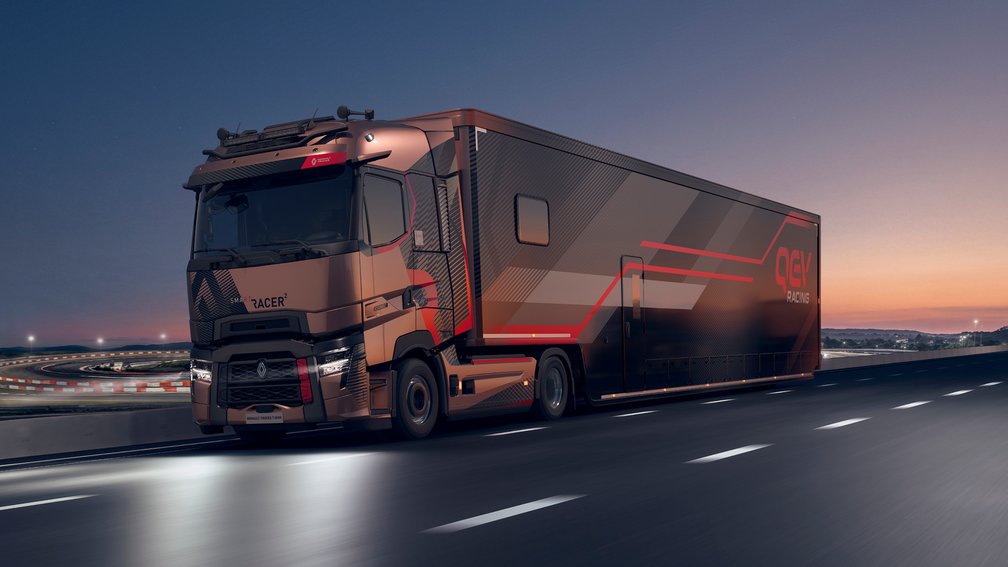
Renault Trucks rinnova la catena cinematica dei camion diesel
Scania investe 70 milioni in Francia per i camion elettrici

TECNICA

Scania investe 70 milioni in Francia per i camion elettrici
Scania lancia il modulo batteria sotto cabina e la ricarica Mcs

TECNICA

Scania lancia il modulo batteria sotto cabina e la ricarica Mcs
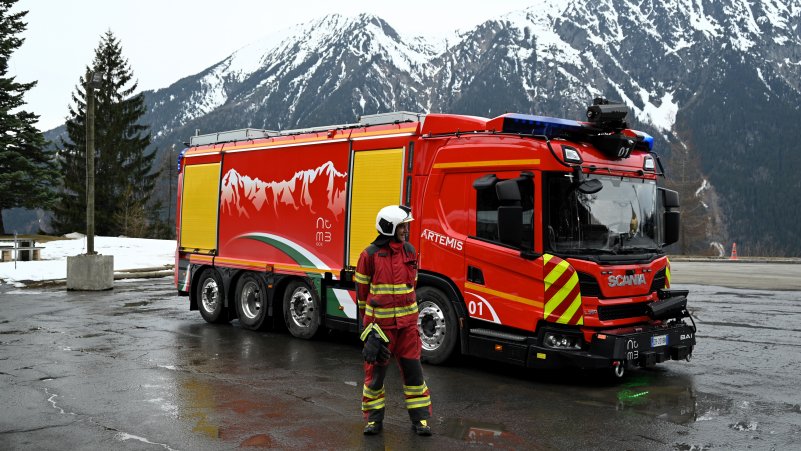
Artemis per la sicurezza del Monte Bianco

TECNICA

Artemis per la sicurezza del Monte Bianco
Kia torna nel furgone italiano col PVB 5

TECNICA

Kia torna nel furgone italiano col PVB 5
previous arrow
next arrow
Dkv Mobility rafforza la rete europea di ricarica con Optimile

LOGISTICA

Dkv Mobility rafforza la rete europea di ricarica con Optimile
L’idrogeno può essere competitivo nell’autotrasporto oltre 300 km

LOGISTICA

L’idrogeno può essere competitivo nell’autotrasporto oltre 300 km
Sciopero nella FedEx ligure per cambio appalto logistica

LOGISTICA

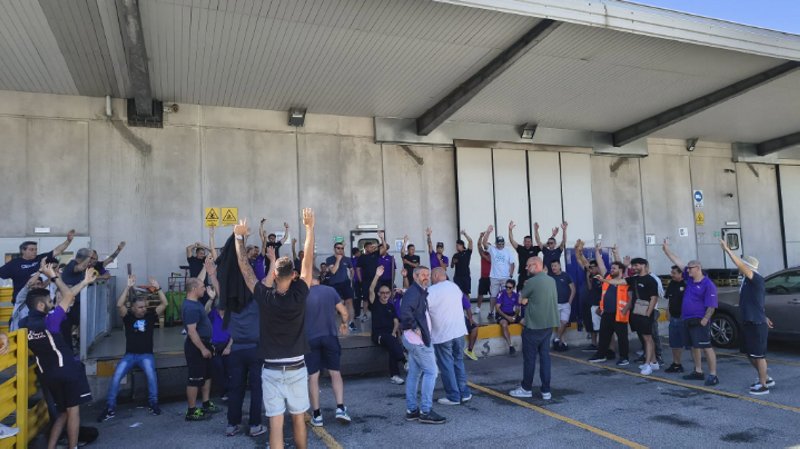
Sciopero nella FedEx ligure per cambio appalto logistica
Tre colossi europei della logistica al centro delle proteste contro Israele

LOGISTICA

Tre colossi europei della logistica al centro delle proteste contro Israele
Dopo la Francia, Ziegler liquidata anche in Belgio

LOGISTICA

Dopo la Francia, Ziegler liquidata anche in Belgio
previous arrow
next arrow
Operazione Red Gold contro frode nei carburanti in Abruzzo

ENERGIE

Operazione Red Gold contro frode nei carburanti in Abruzzo
Quattro indagati per uso stradale di gasolio agricolo nel Salento

ENERGIE

Quattro indagati per uso stradale di gasolio agricolo nel Salento
Il taglio delle accise è prorogato fino al primo maggio

ENERGIE

Il taglio delle accise è prorogato fino al primo maggio
Petrolio sopra 110 dollari al barile dopo dichiarazioni di Trump

ENERGIE

Petrolio sopra 110 dollari al barile dopo dichiarazioni di Trump
Scoperti a Fiumicino i vampiri del carburante per aerei

ENERGIE

Scoperti a Fiumicino i vampiri del carburante per aerei
previous arrow
next arrow
Gaston Schul cresce nelle spedizioni genovesi con Parodi Forwarding

SERVIZI

Gaston Schul cresce nelle spedizioni genovesi con Parodi Forwarding
L’Italia è molto esposta nel cibercrimine nel trasporto e logistica

SERVIZI

L’Italia è molto esposta nel cibercrimine nel trasporto e logistica
Carta DKV per ricaricare il camion elettrico

SERVIZI

Carta DKV per ricaricare il camion elettrico
Video | Dkv al Transpotec oltre la carta carburante

SERVIZI

Video | Dkv al Transpotec oltre la carta carburante
Zucchetti presenta una logistica digitale integrata software e robot

SERVIZI

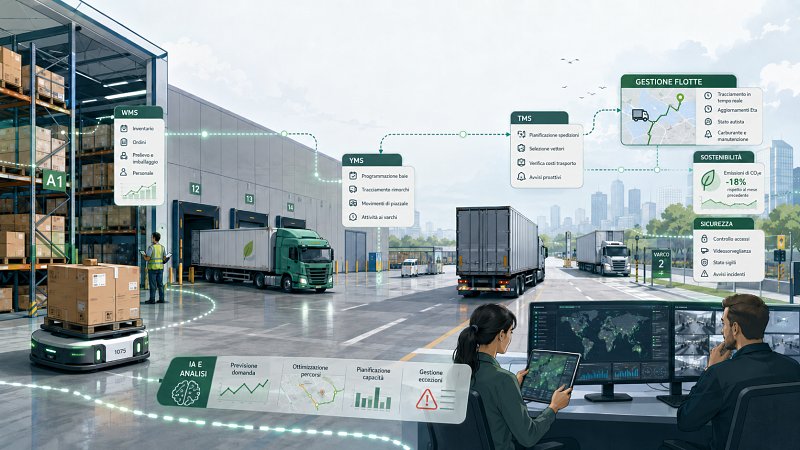
Zucchetti presenta una logistica digitale integrata software e robot
Golia360 punta sulla digitalizzazione per gli autisti

SERVIZI

Golia360 punta sulla digitalizzazione per gli autisti
Come la logistica può guadagnare dalle multe Antitrust

SERVIZI

Come la logistica può guadagnare dalle multe Antitrust
Tra Genova e Barcellona l’asse della formazione per la logistica

SERVIZI

Tra Genova e Barcellona l’asse della formazione per la logistica
Transporeon introduce la ricerca con l’intelligenza artificiale

SERVIZI

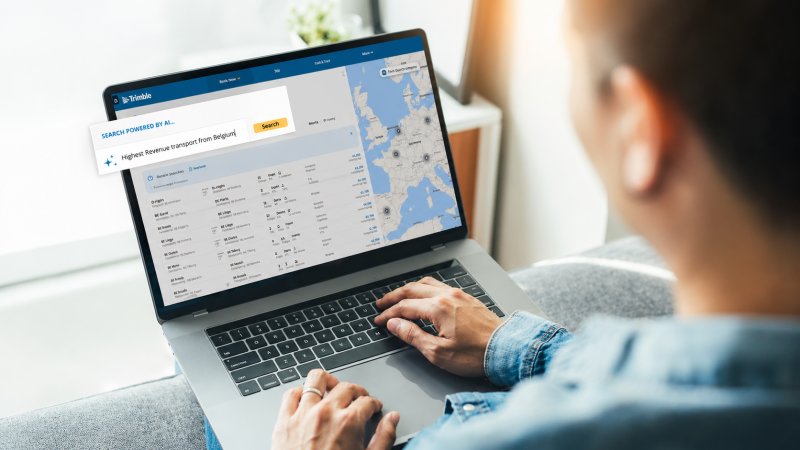
Transporeon introduce la ricerca con l’intelligenza artificiale
Nasce Synlog Alliance consorzio dati per la logistica

SERVIZI

Nasce Synlog Alliance consorzio dati per la logistica
Sogedim potenzia le spedizioni per America Latina con Eagle Service

SERVIZI

Sogedim potenzia le spedizioni per America Latina con Eagle Service
Leviahub cresce in Spagna con due acquisizioni

SERVIZI

Leviahub cresce in Spagna con due acquisizioni
Trans.eu cresce in Italia con la borsa carichi relazionale

SERVIZI

Trans.eu cresce in Italia con la borsa carichi relazionale
L’evoluzione della borsa carichi autotrasporto è relazionale

SERVIZI

L’evoluzione della borsa carichi autotrasporto è relazionale
Padrosa realizzerà un parcheggio per camion ad Alessandria

SERVIZI

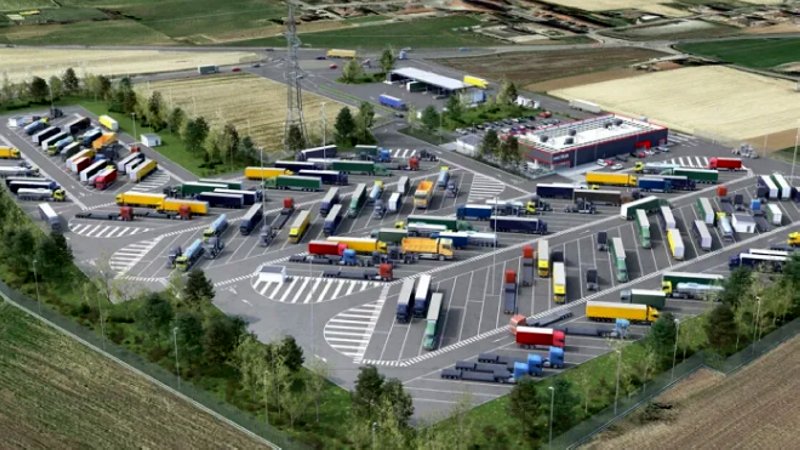
Padrosa realizzerà un parcheggio per camion ad Alessandria
previous arrow
next arrow